The Heart of the Andes, Frederick Edwin Church, 1859.
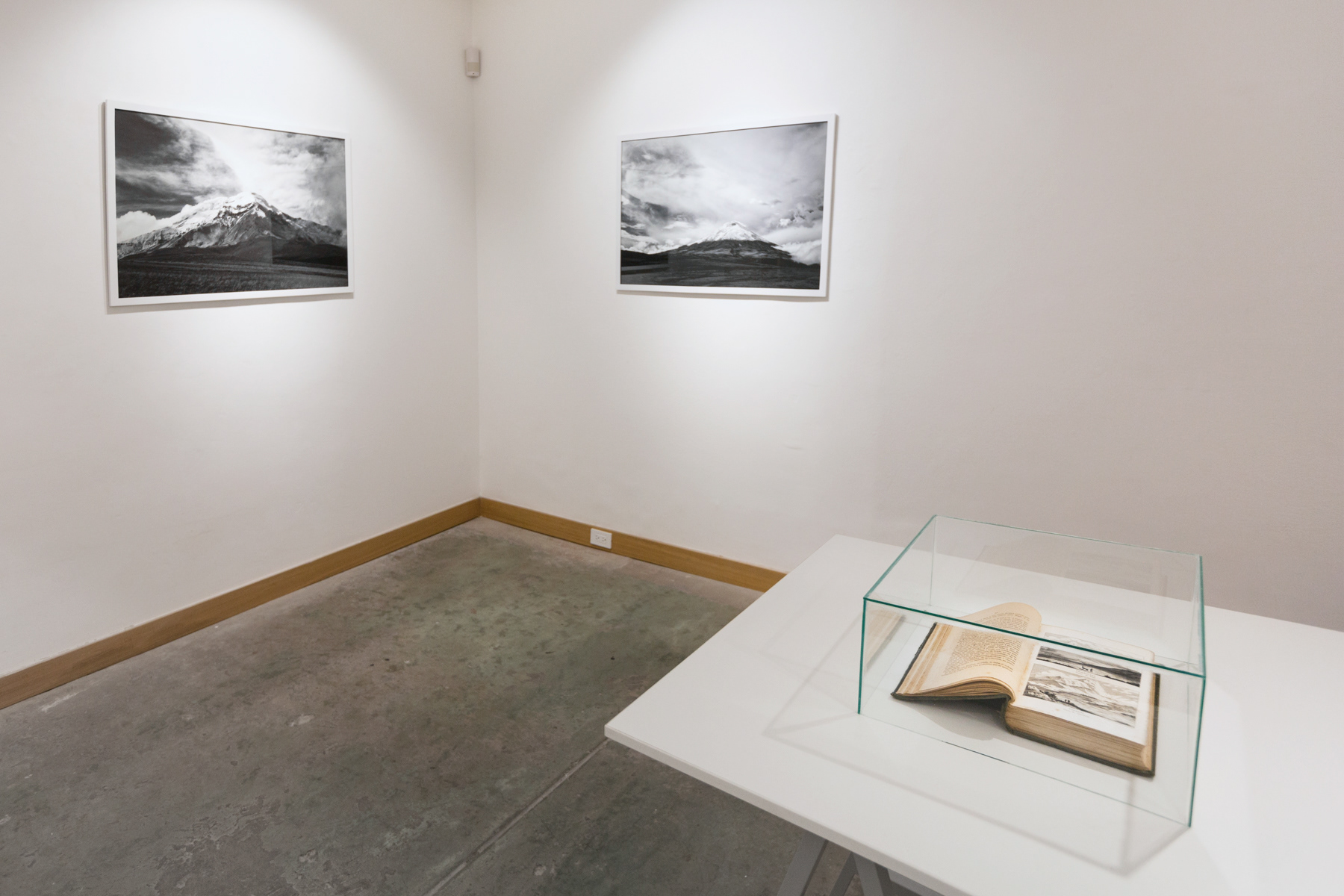
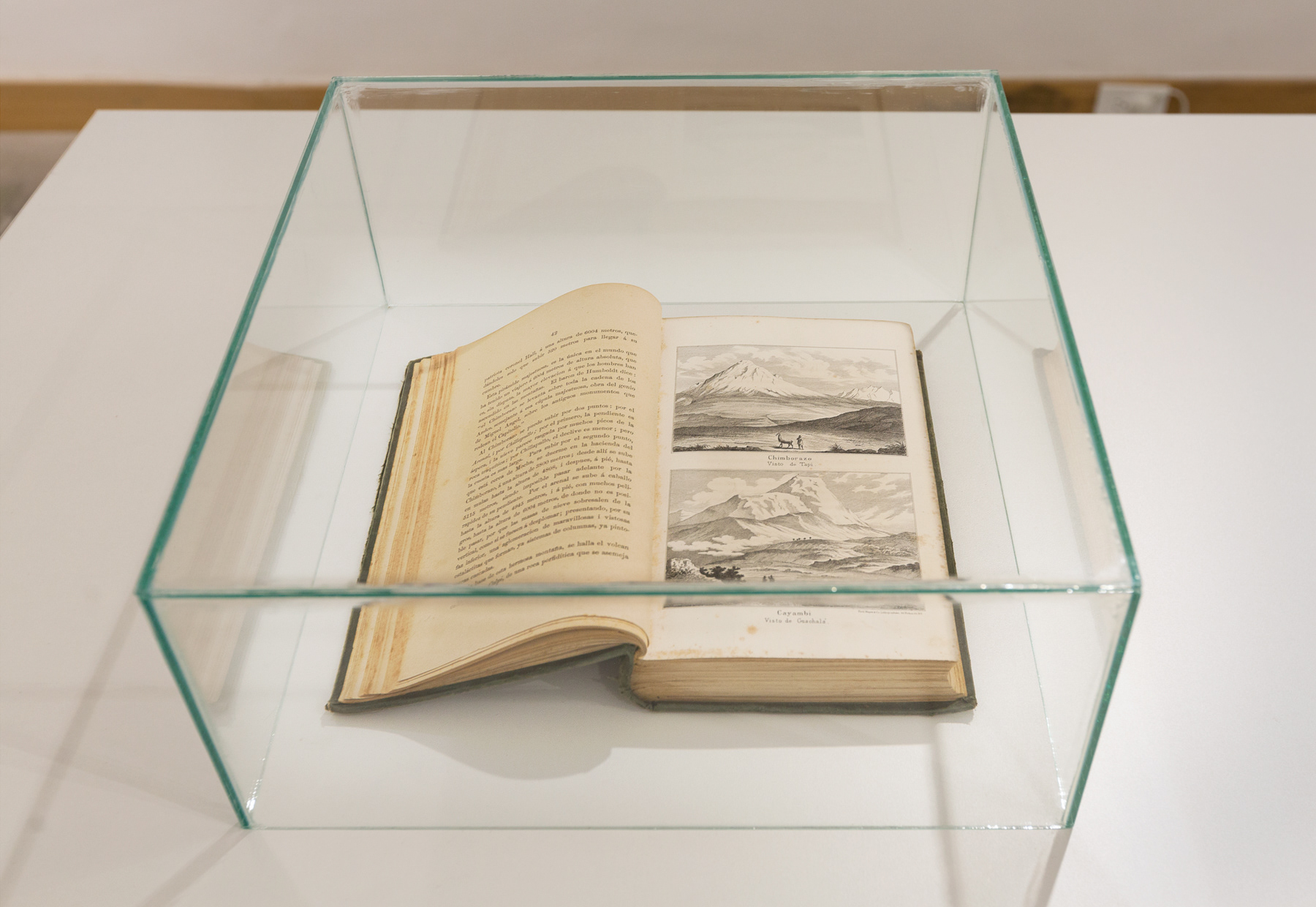
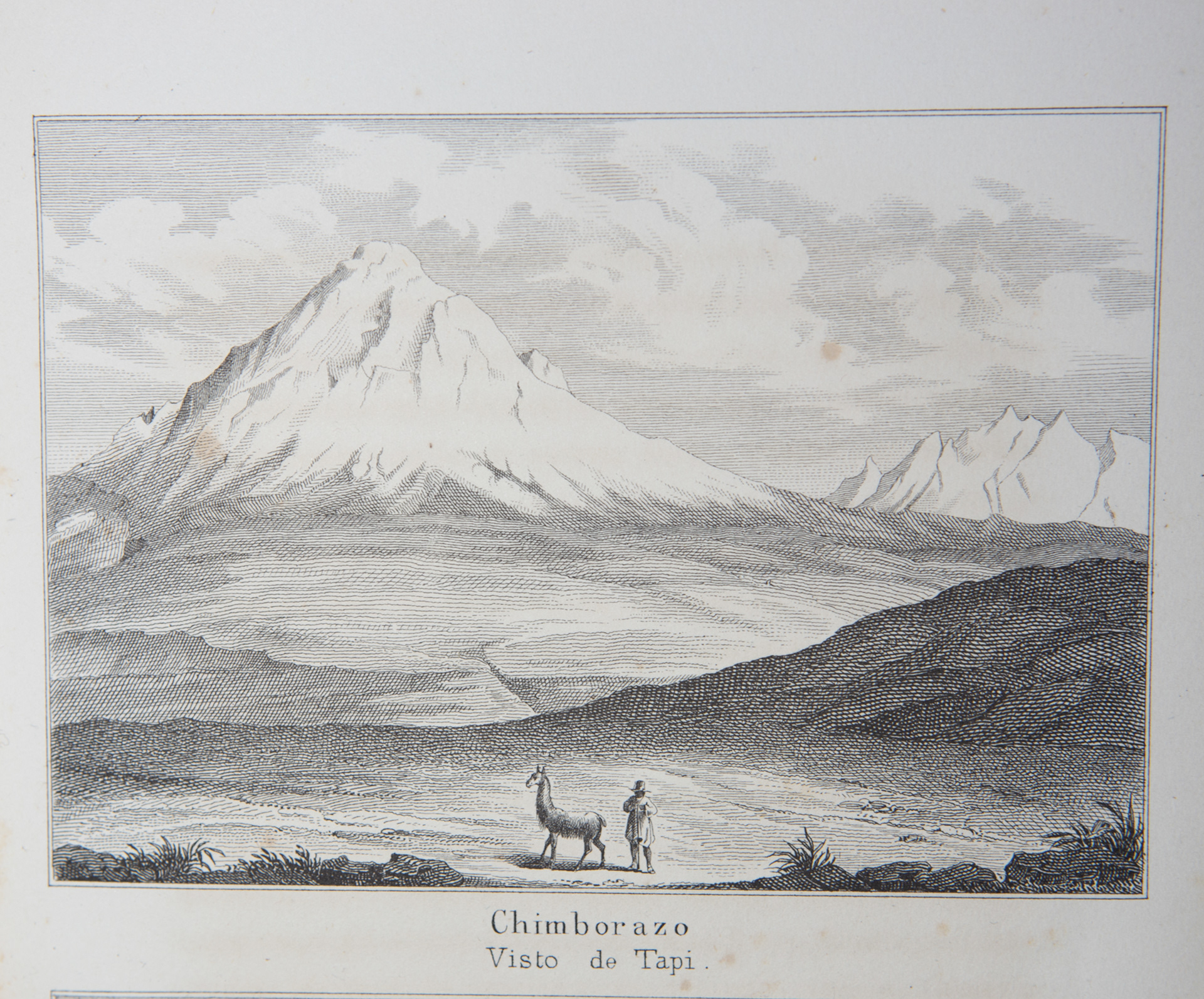
Esta propuesta parte de la pintura The Heart of the Andes (1859) de Frederick Edwin Church. En el siglo XIX este artista viajó al Ecuador y realizó estudios in-situ de las montañas de esta cordillera. Después de su viaje y basado en estudios, Church pintó el Chimborazo, y posteriormente el Cotopaxi en 1862, siguiendo el estilo romanticista de la época. Su práctica pictórica fue fuertemente influenciada por la lectura de Cosmos (1845) de Alexander Von Humboldt.
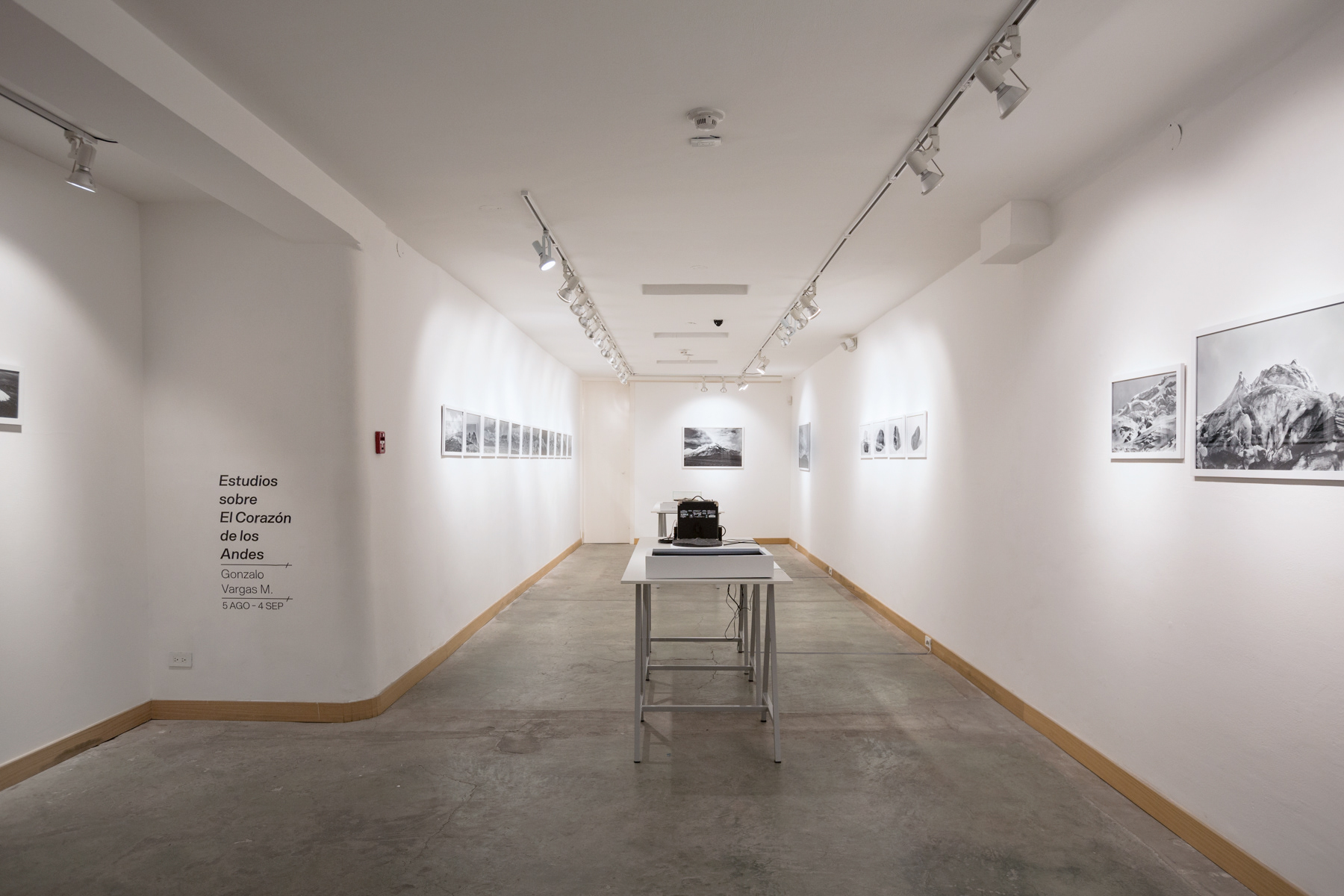
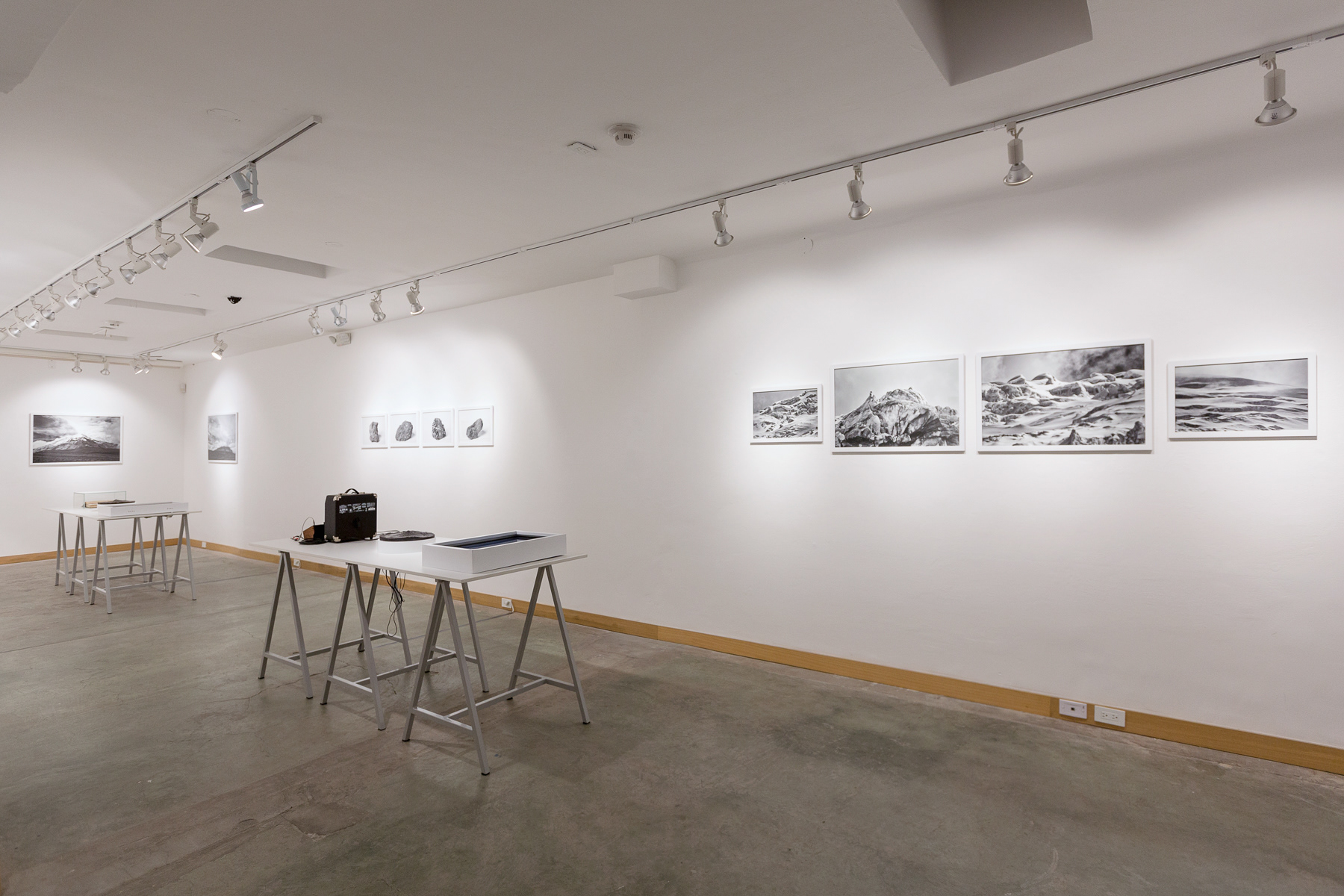
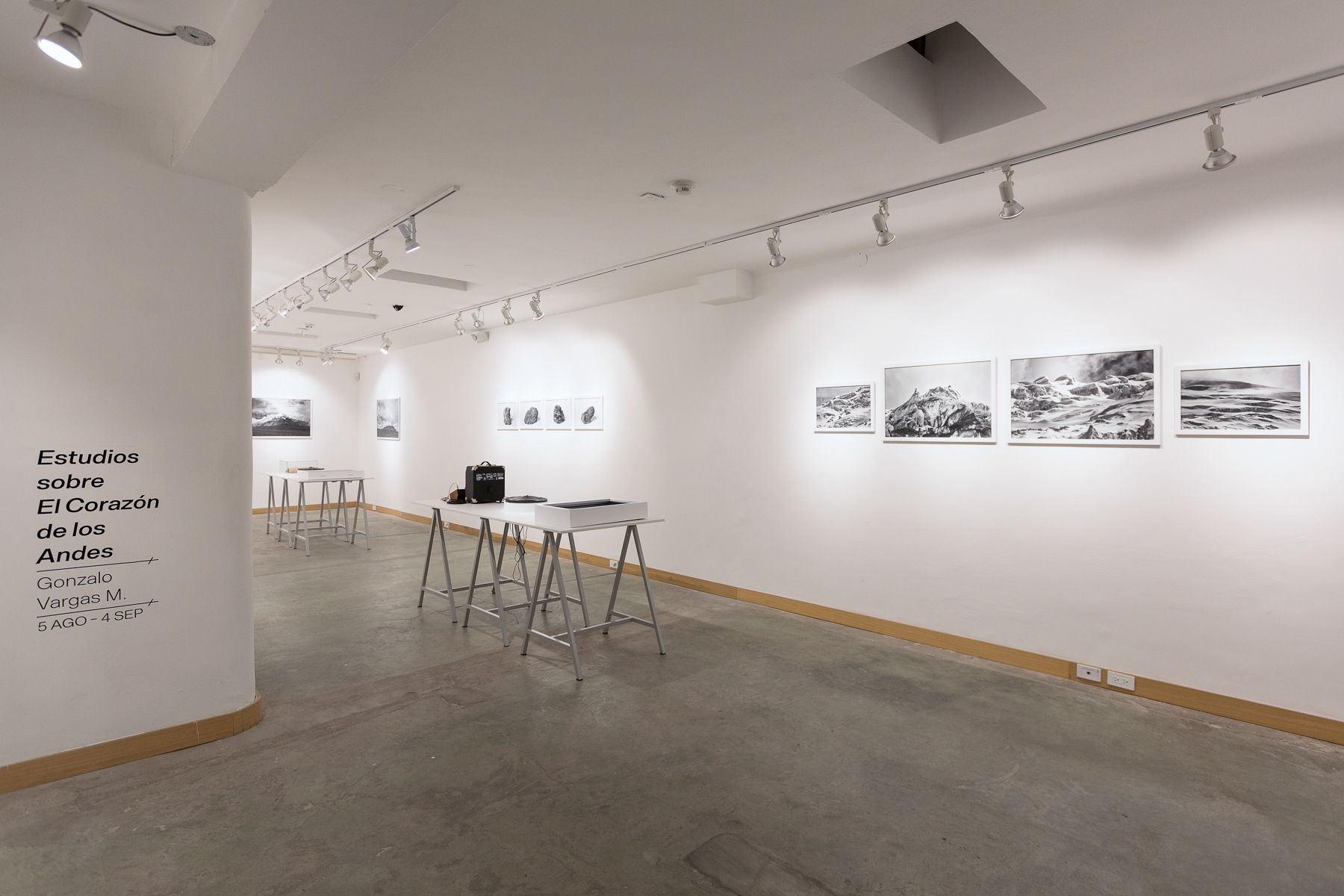
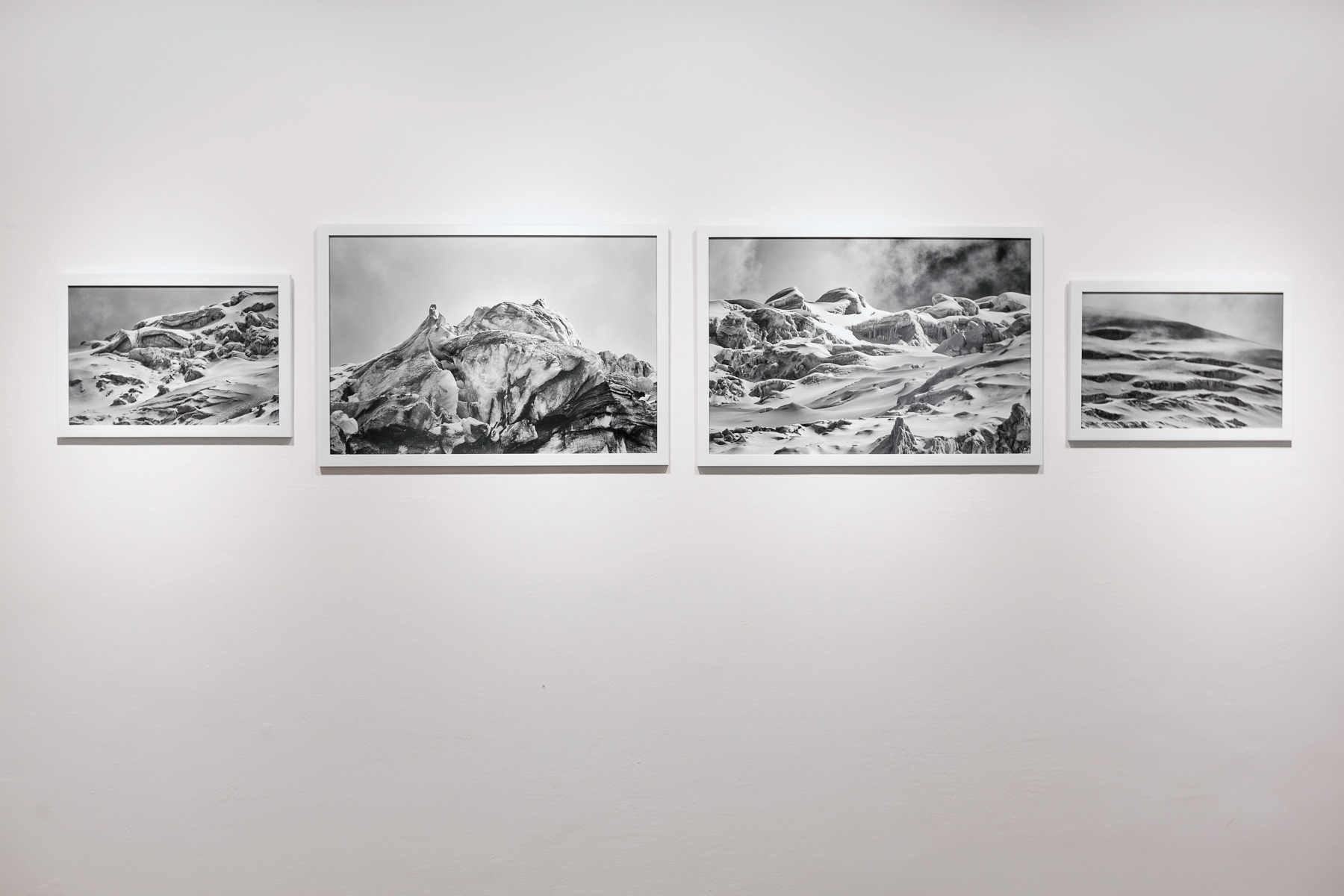
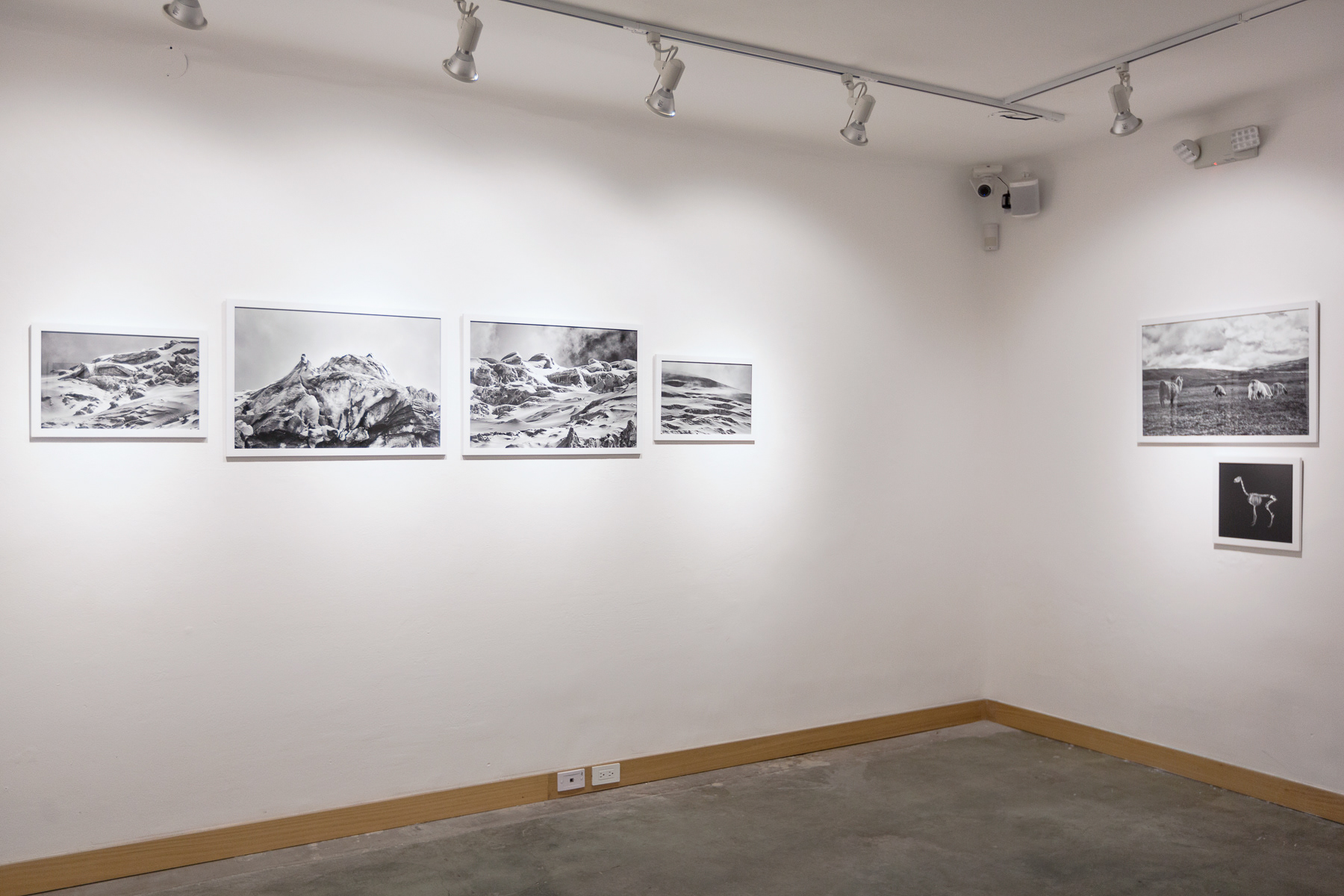
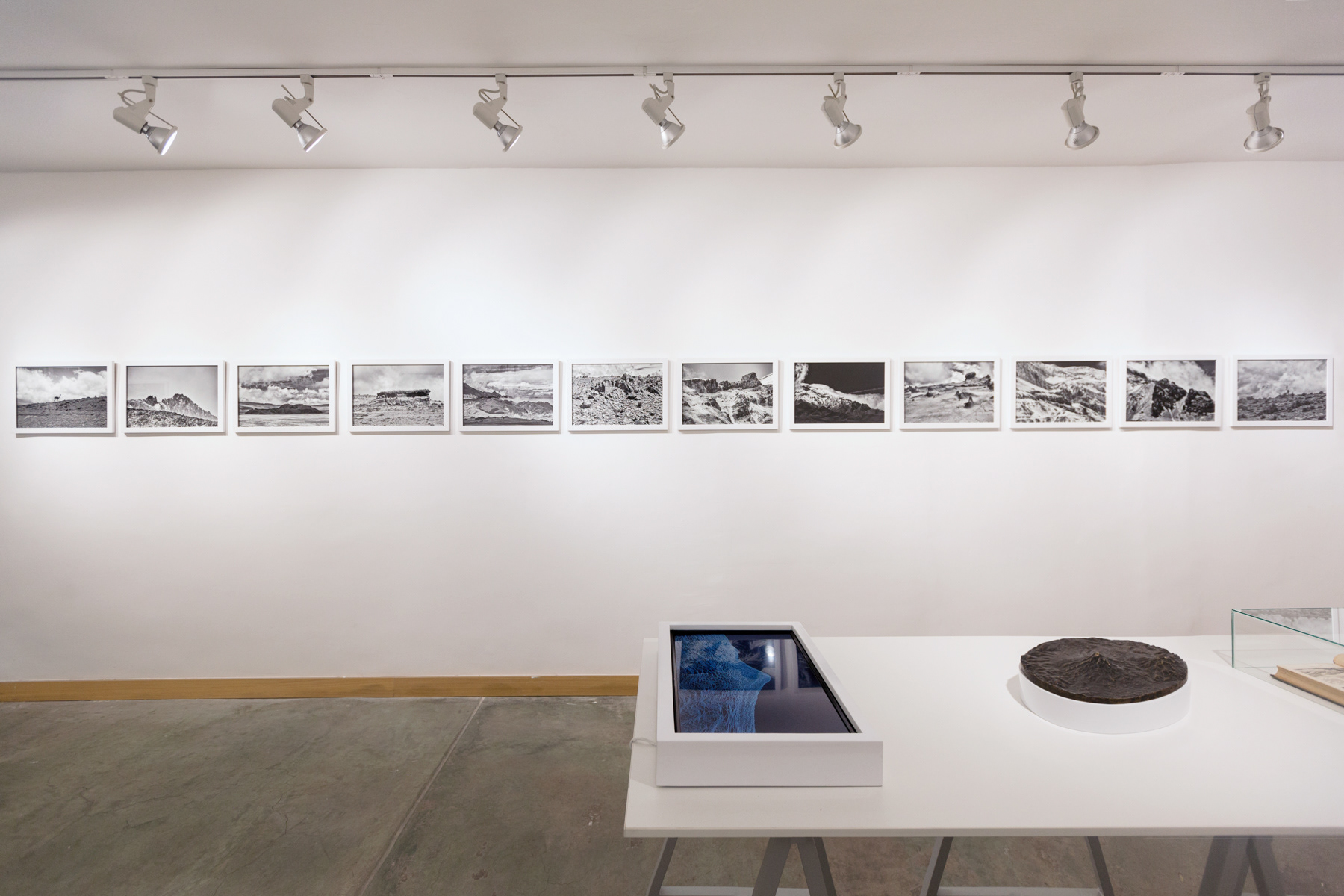
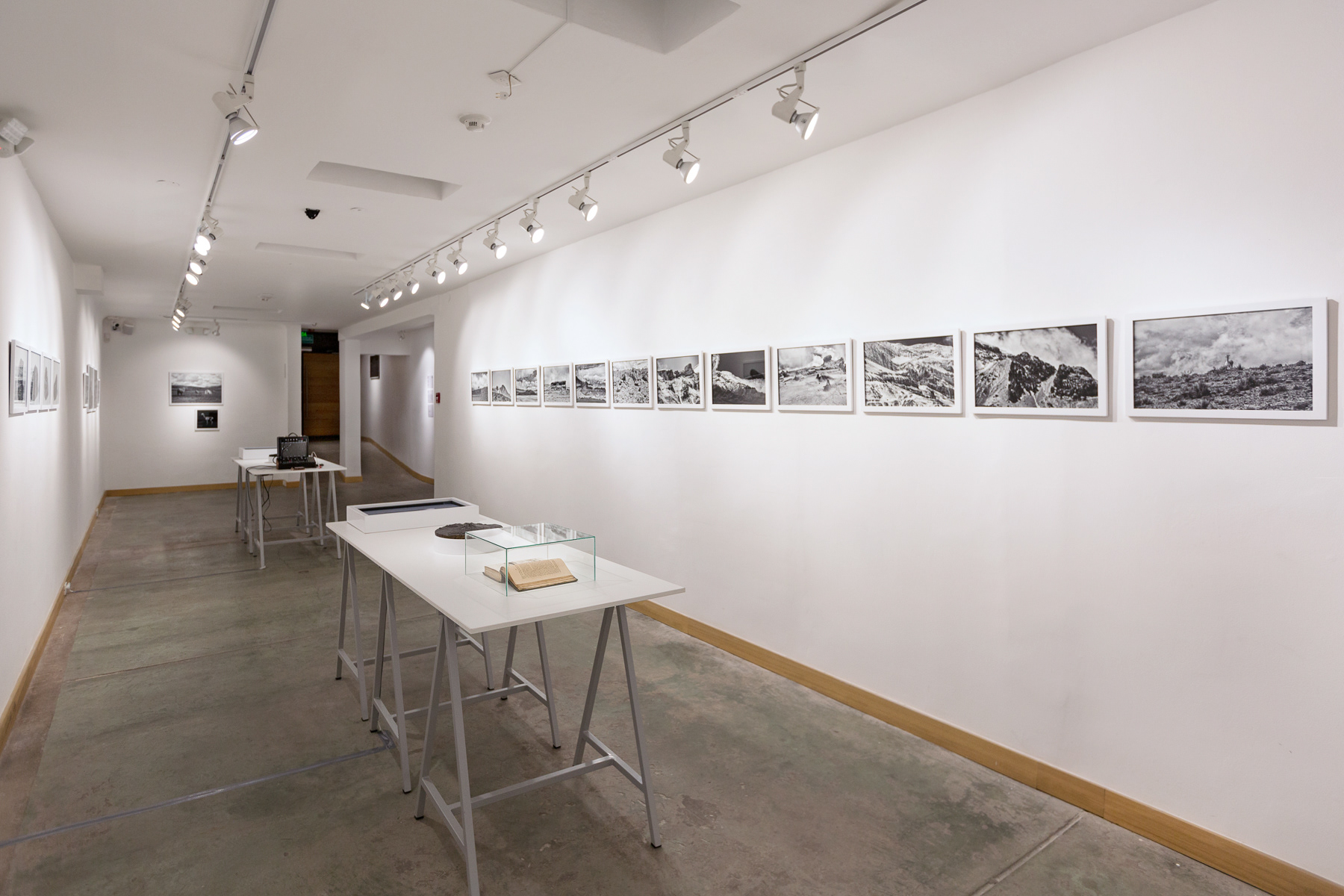
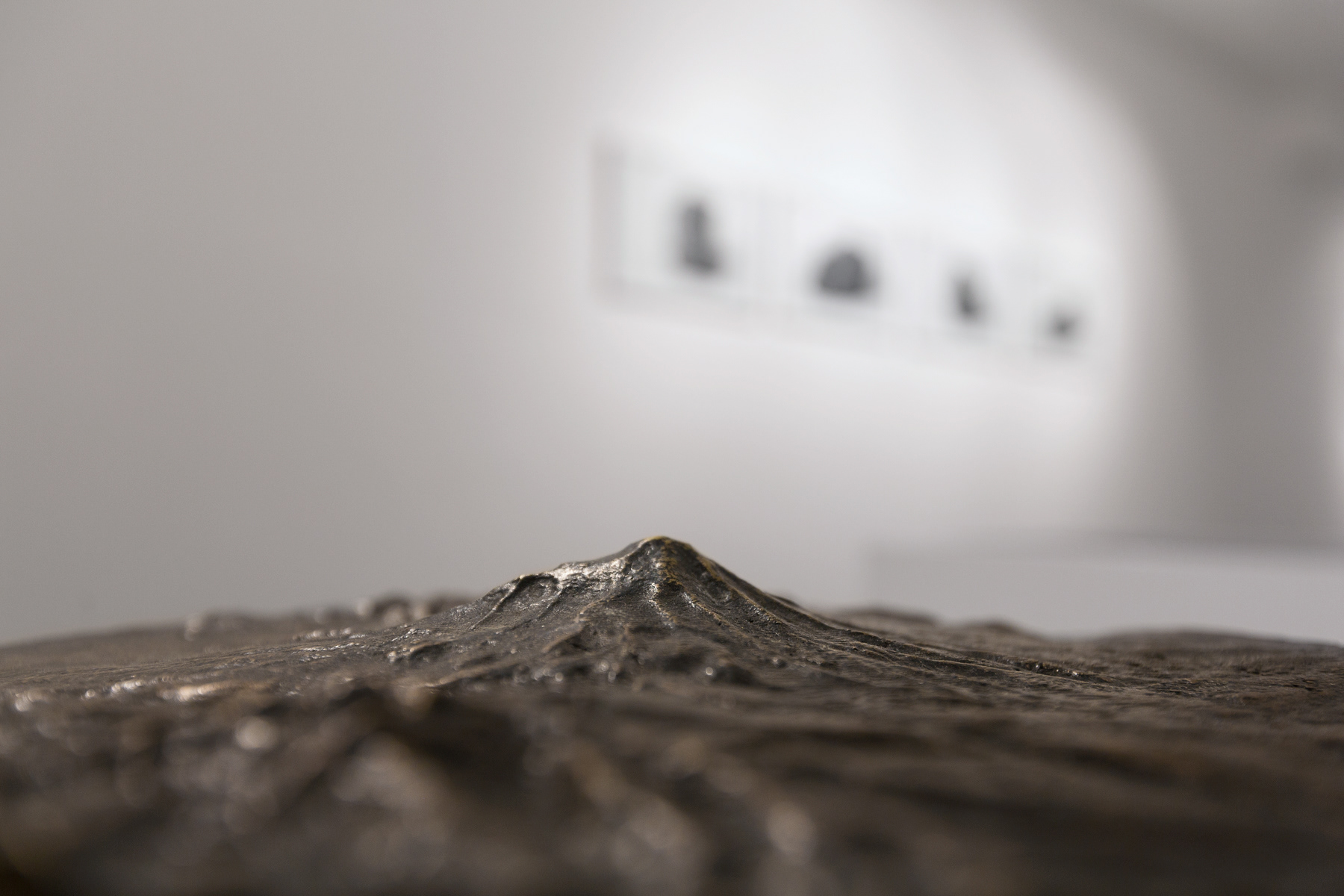
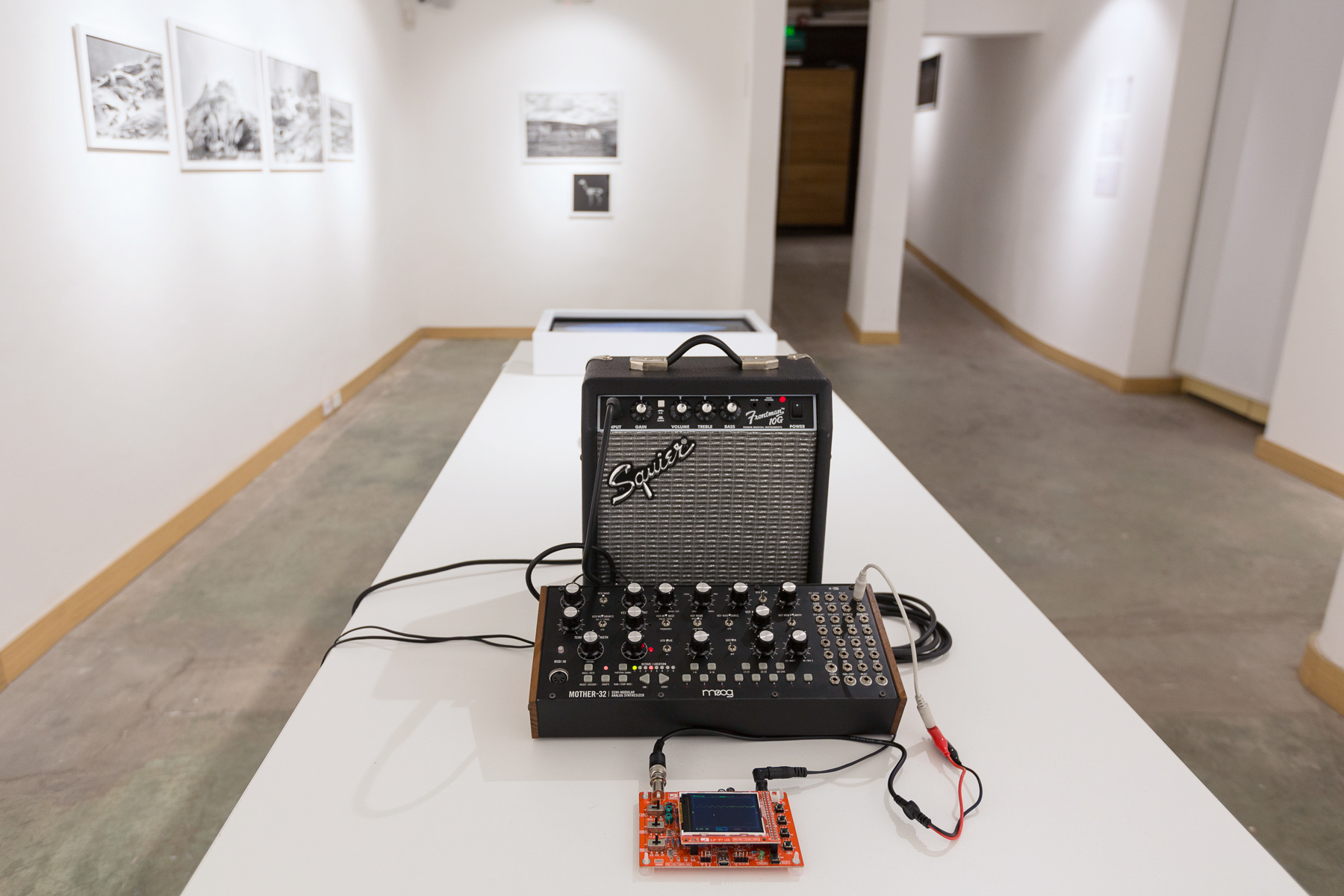
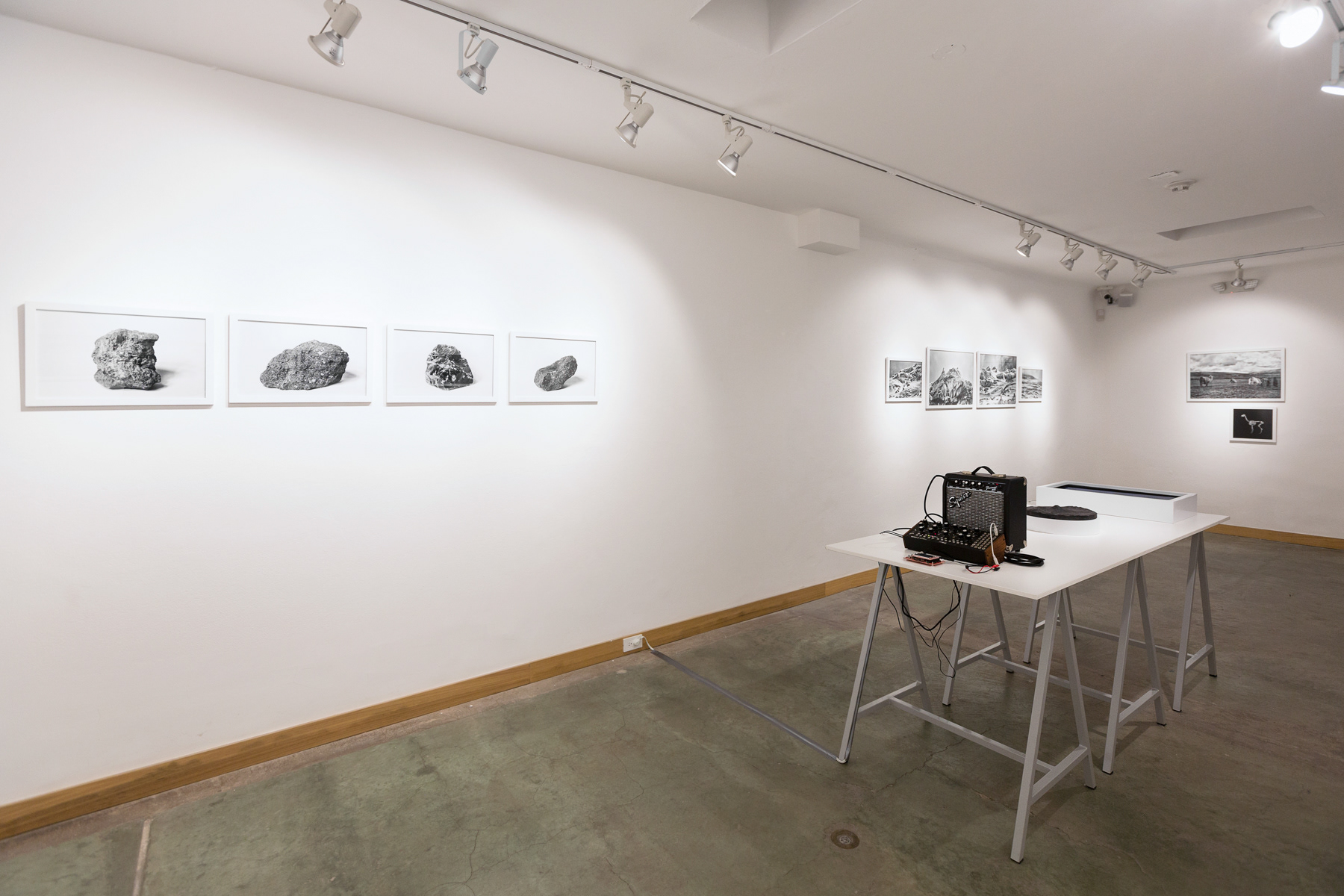
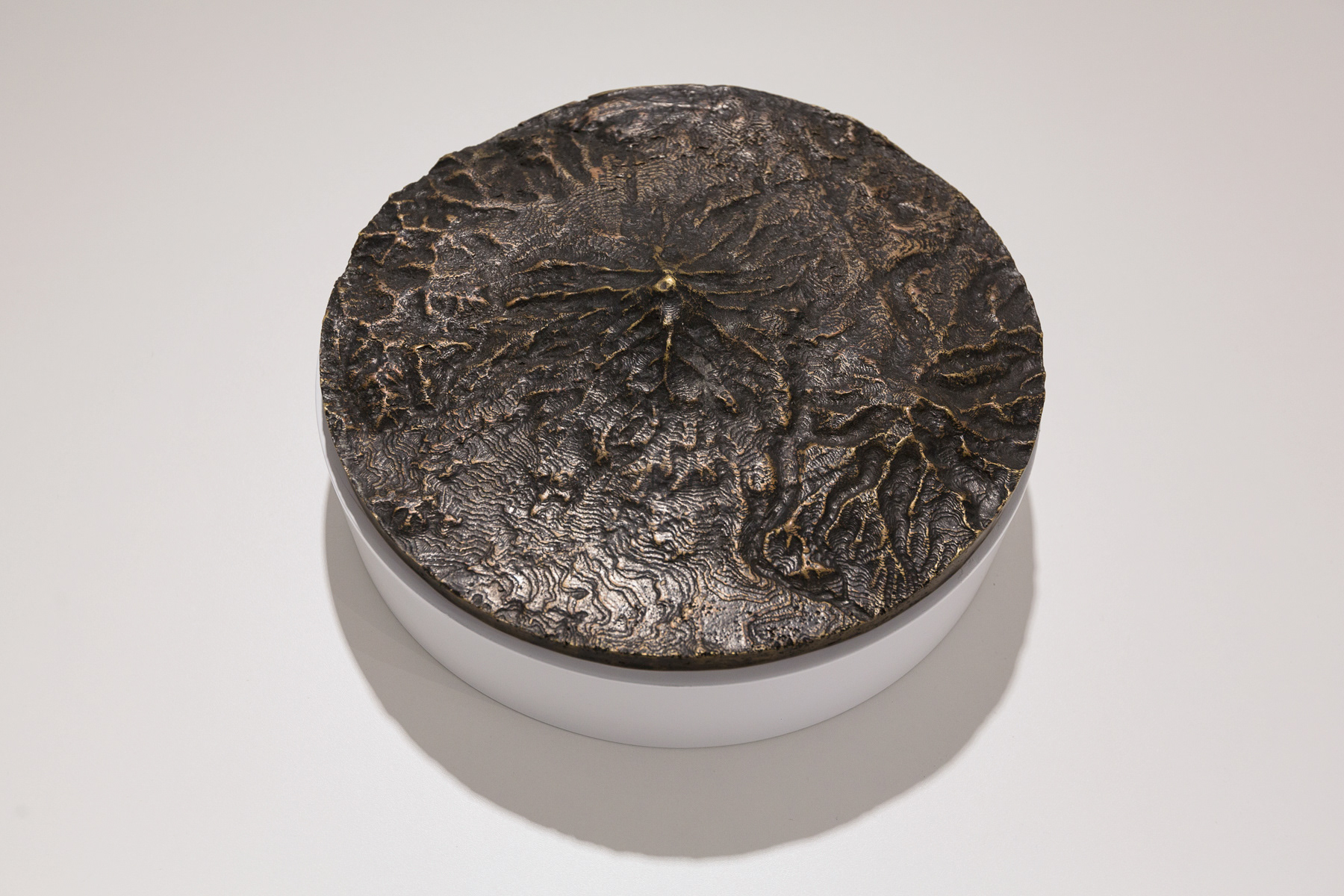
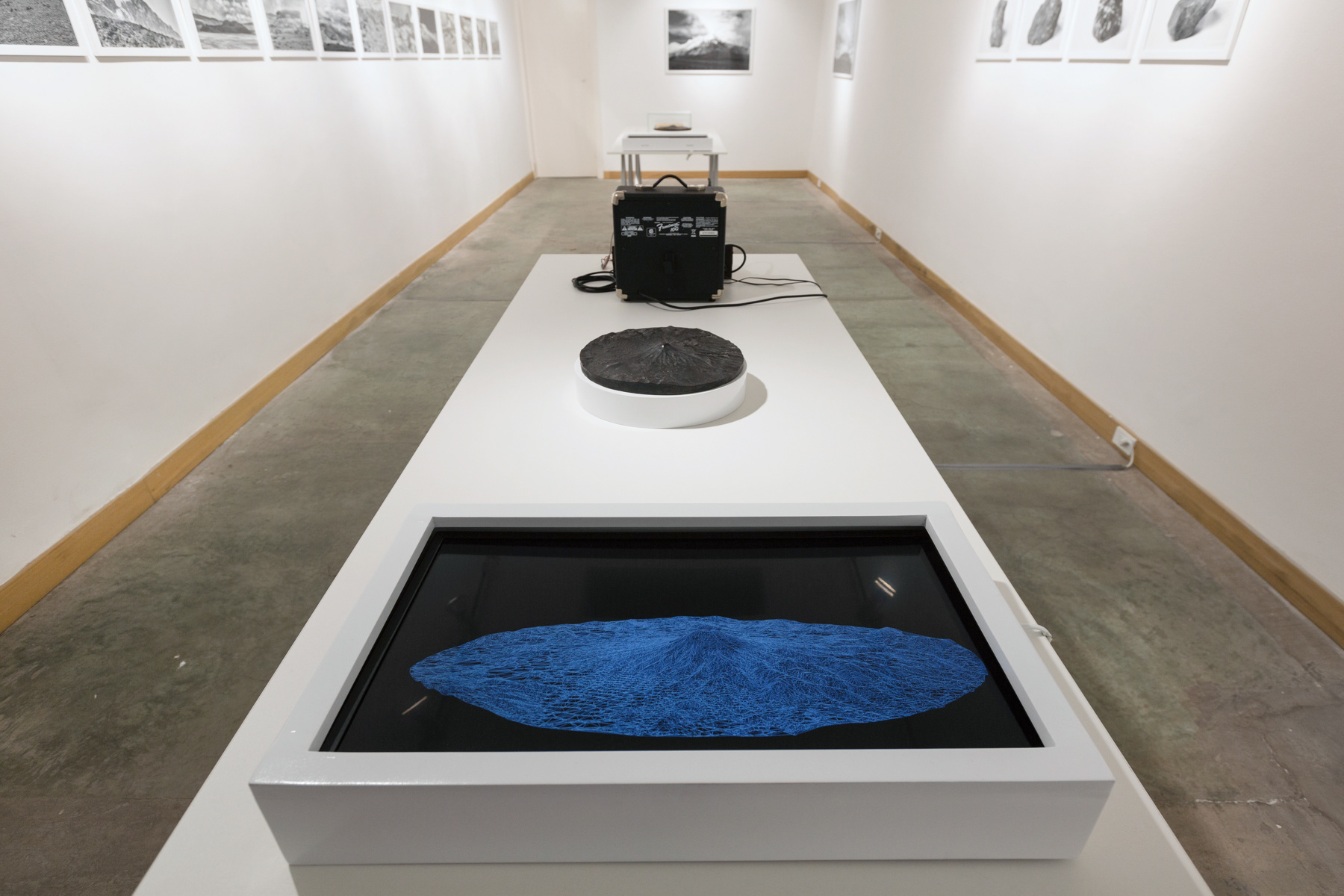
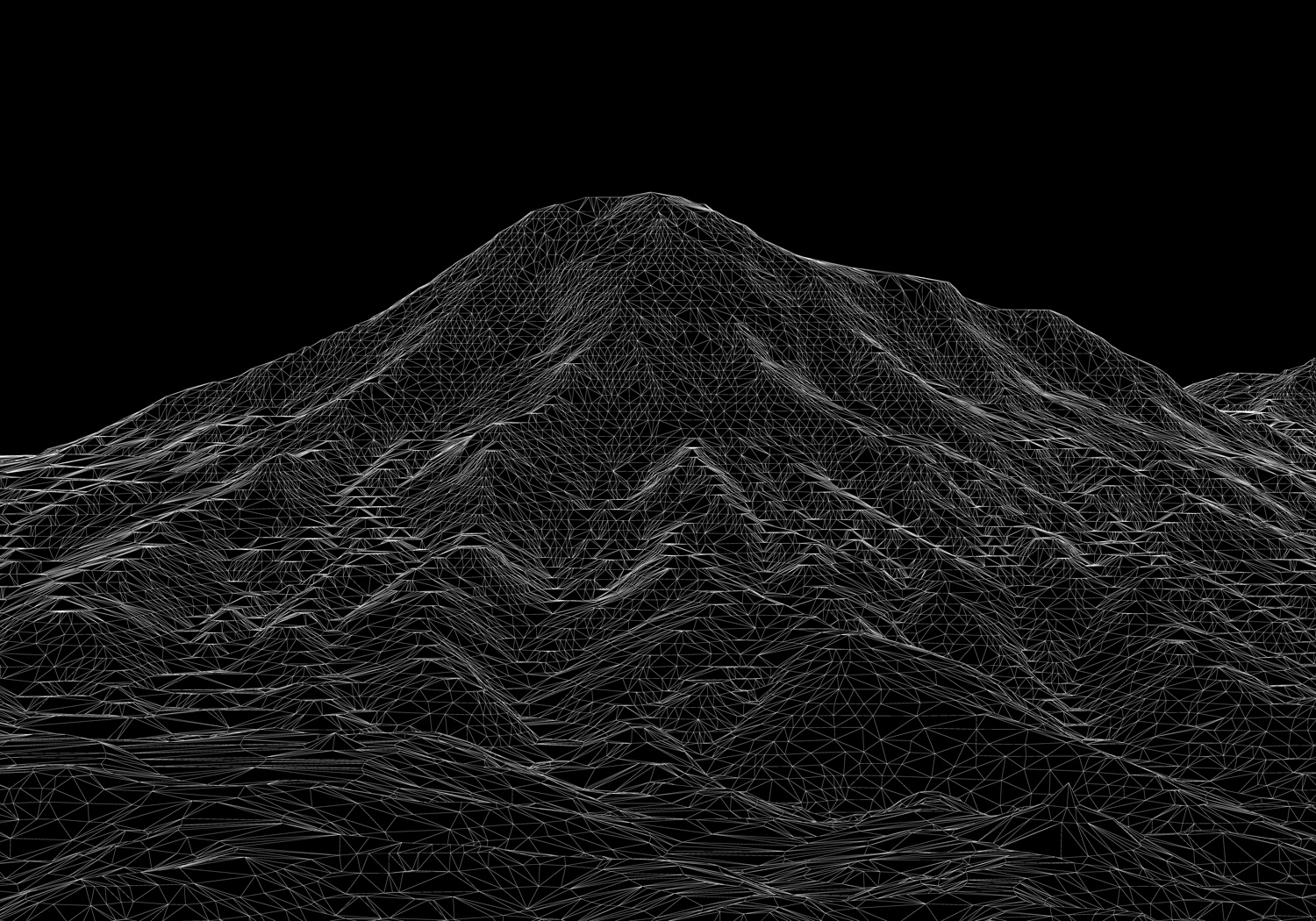
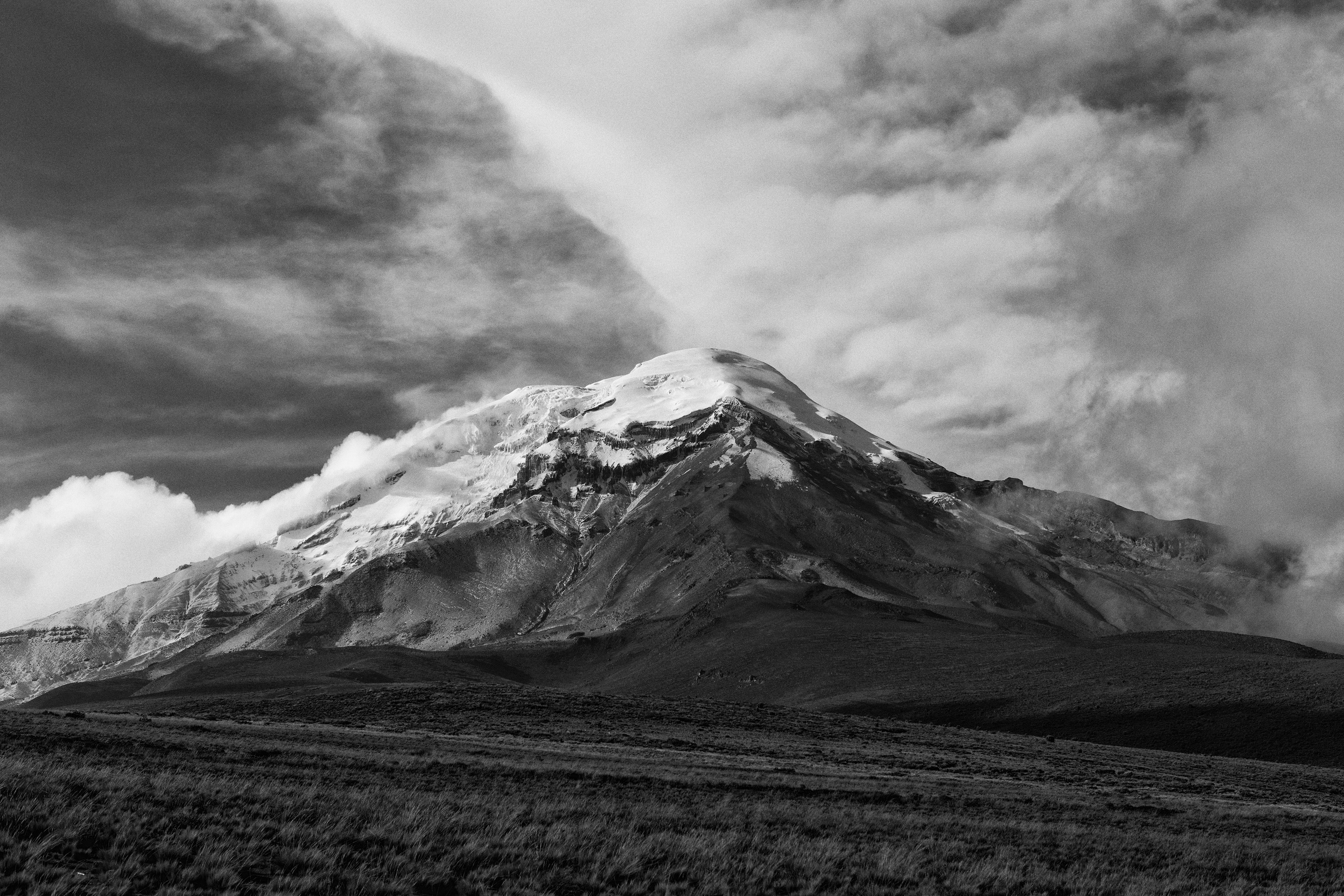
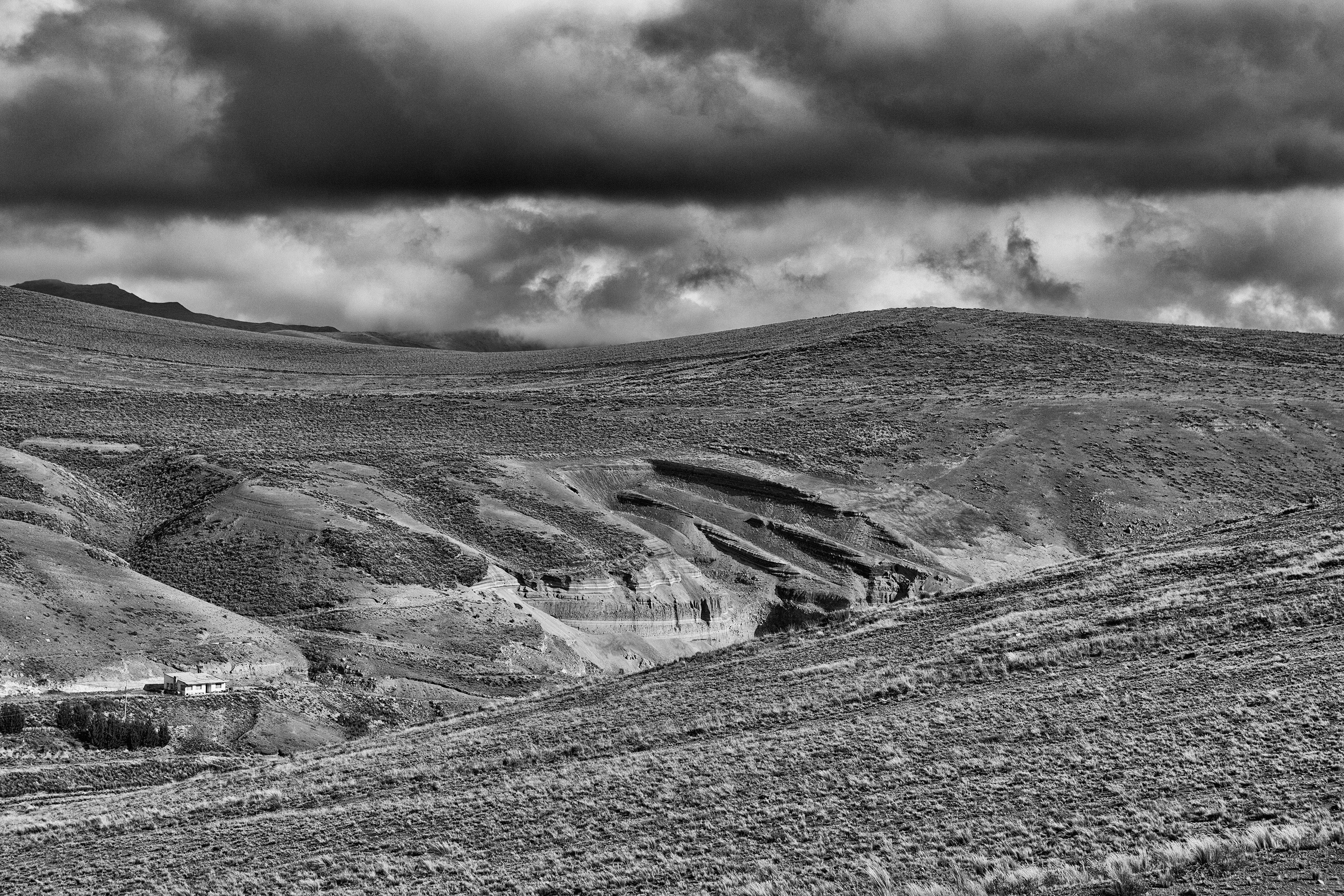
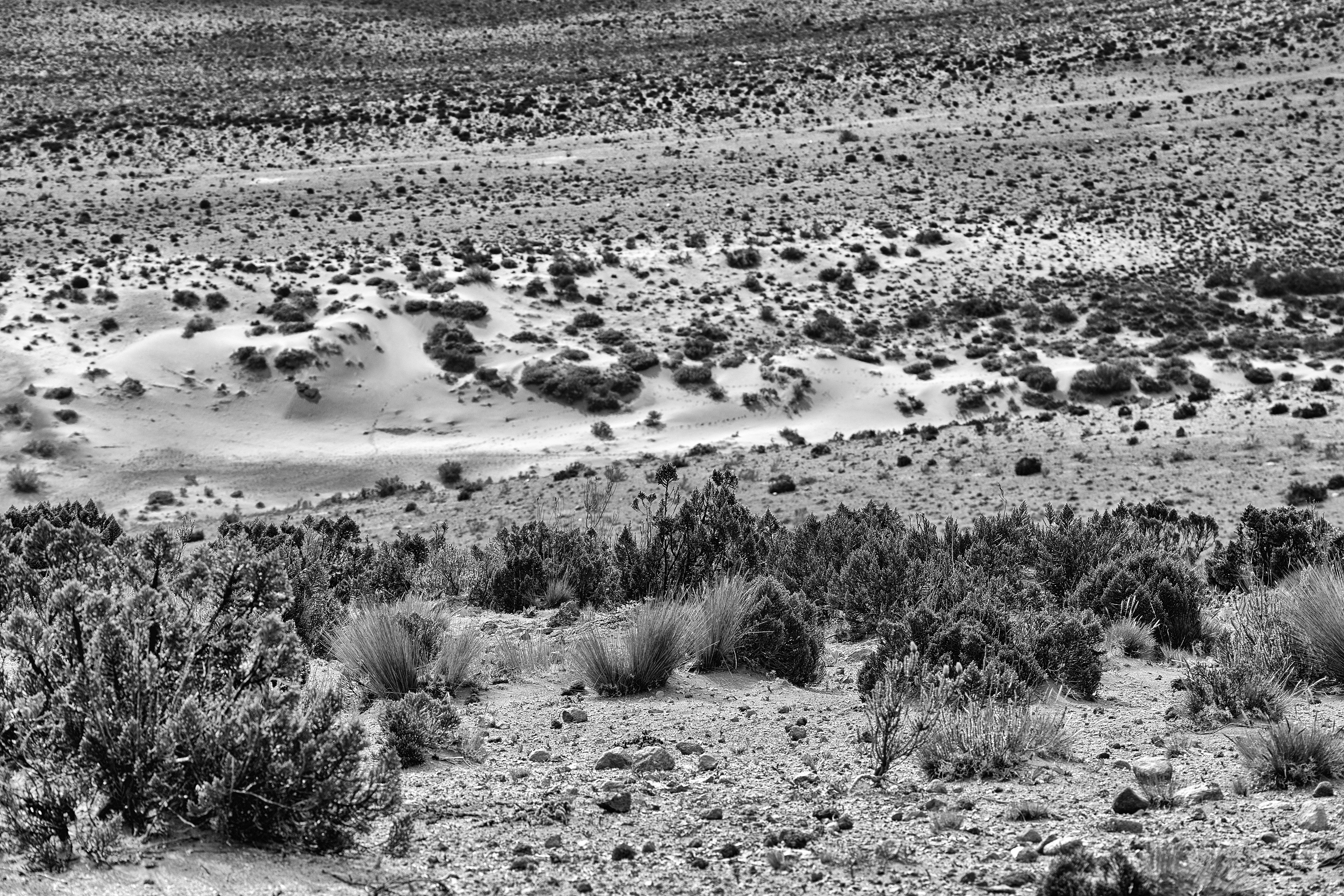
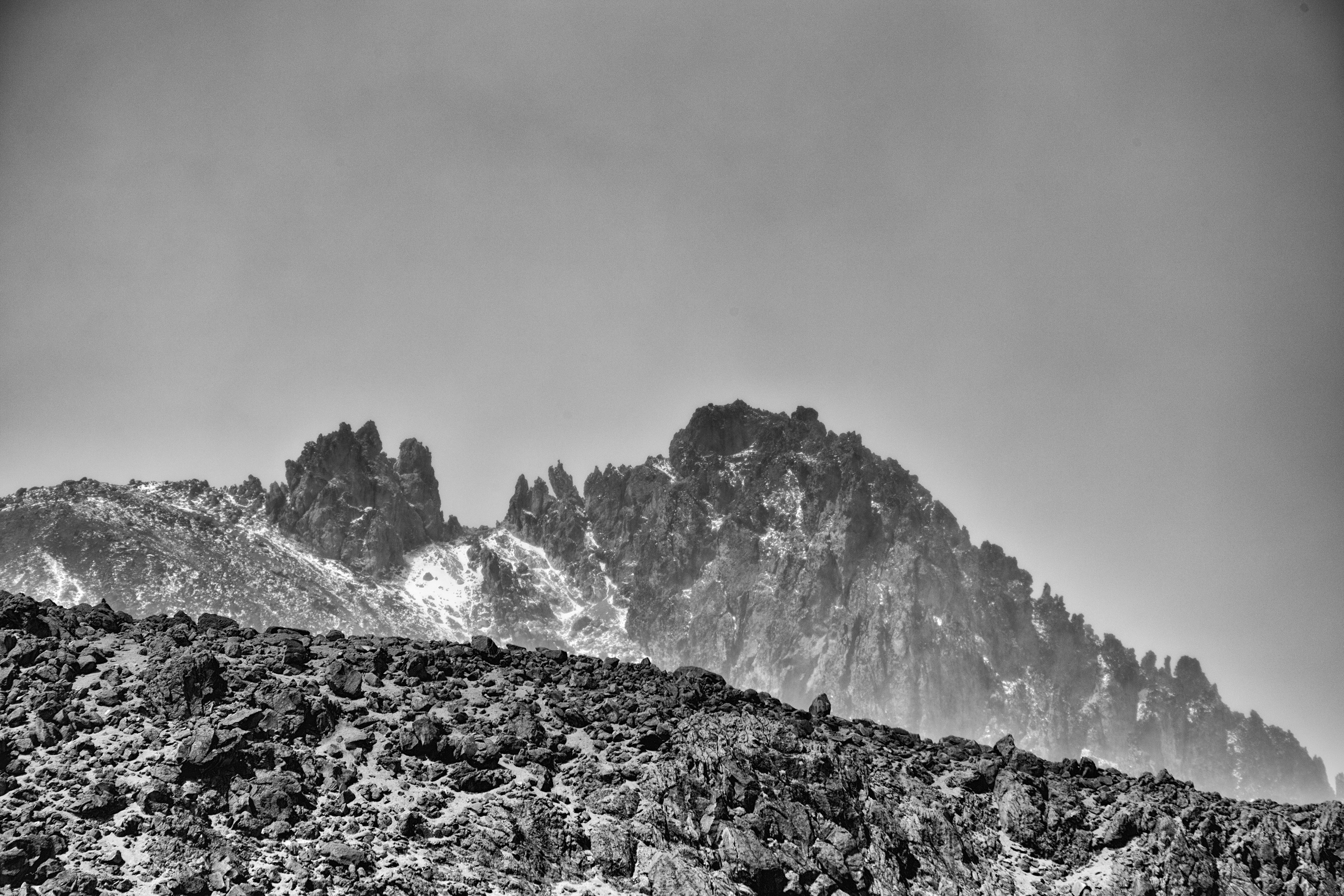
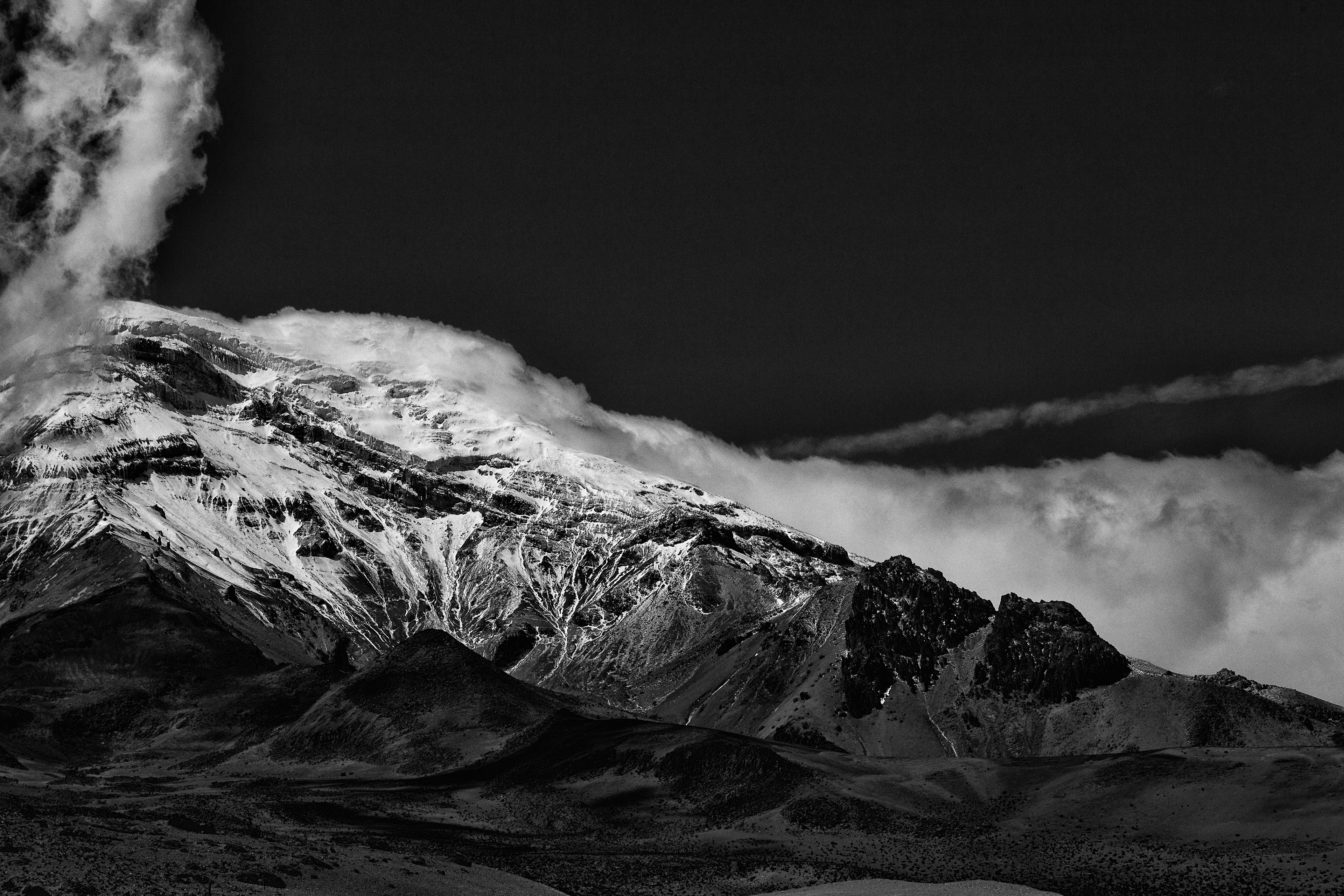
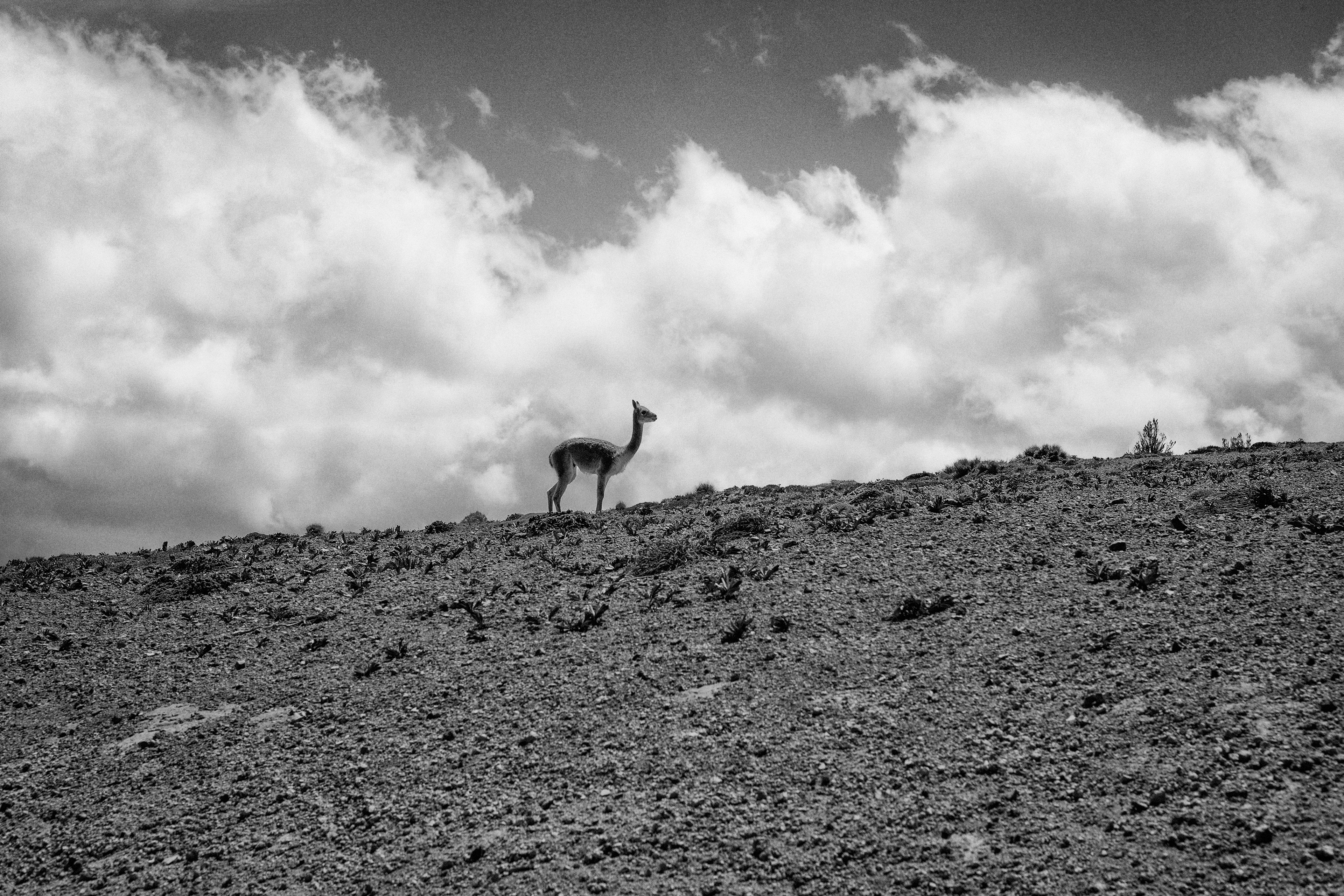
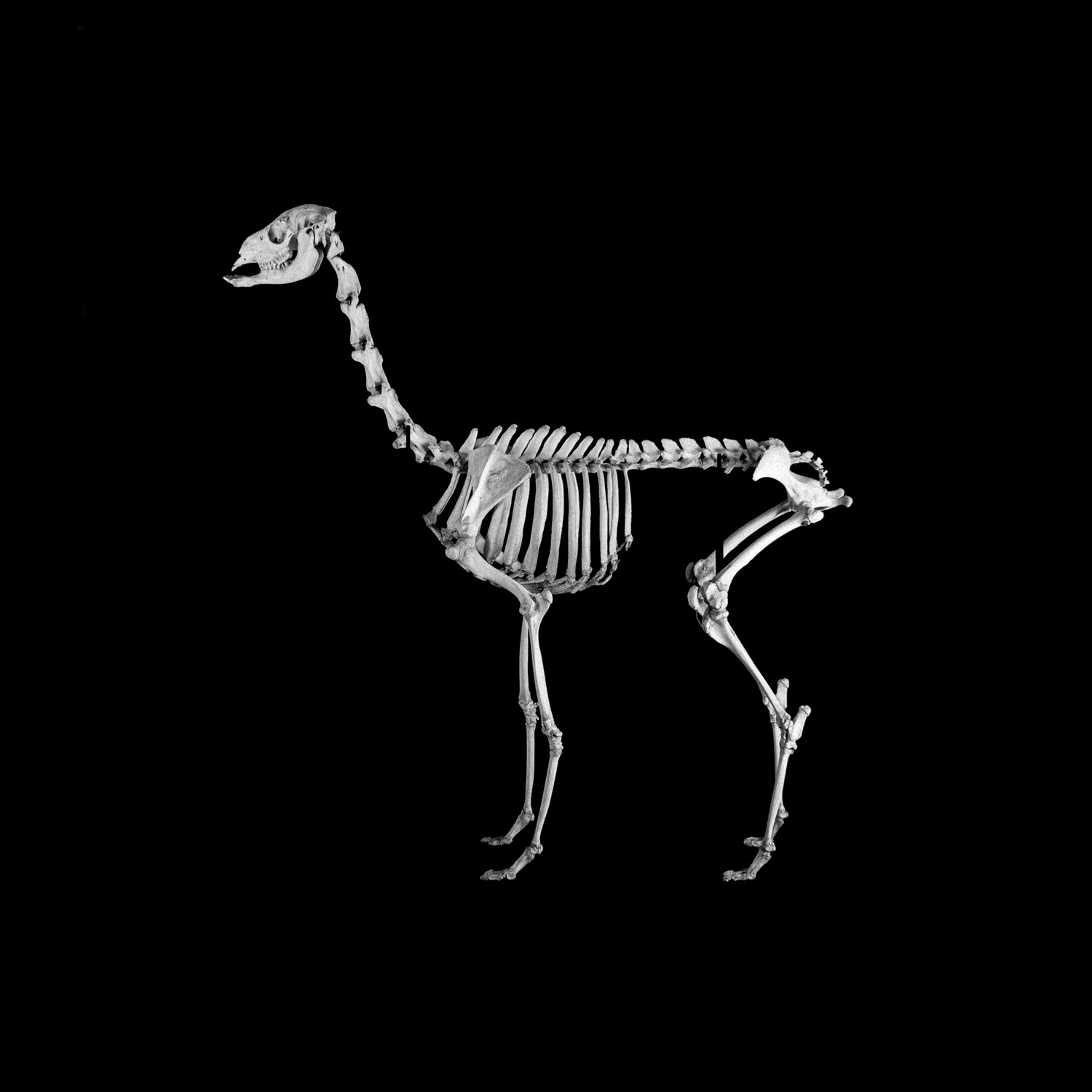
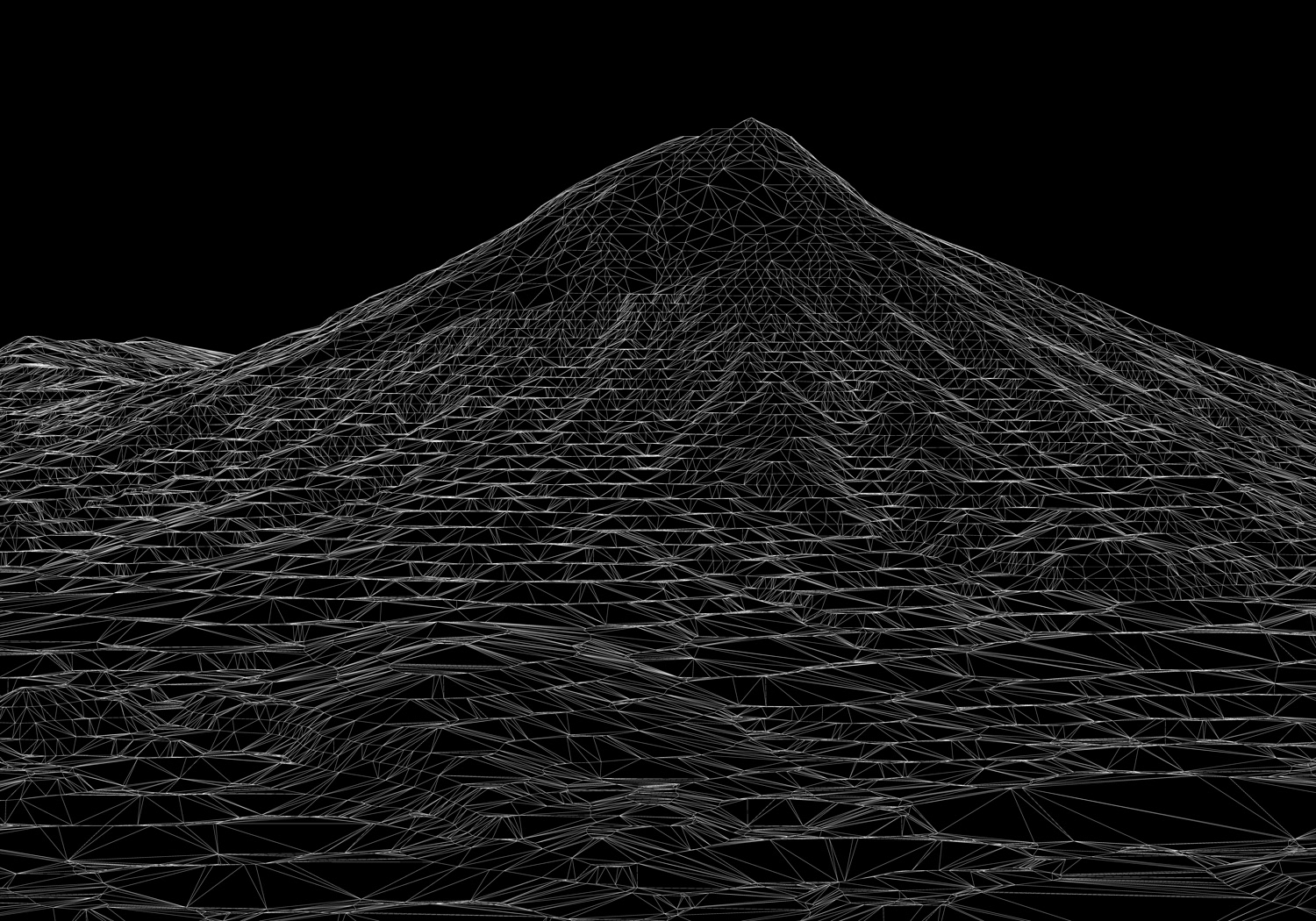
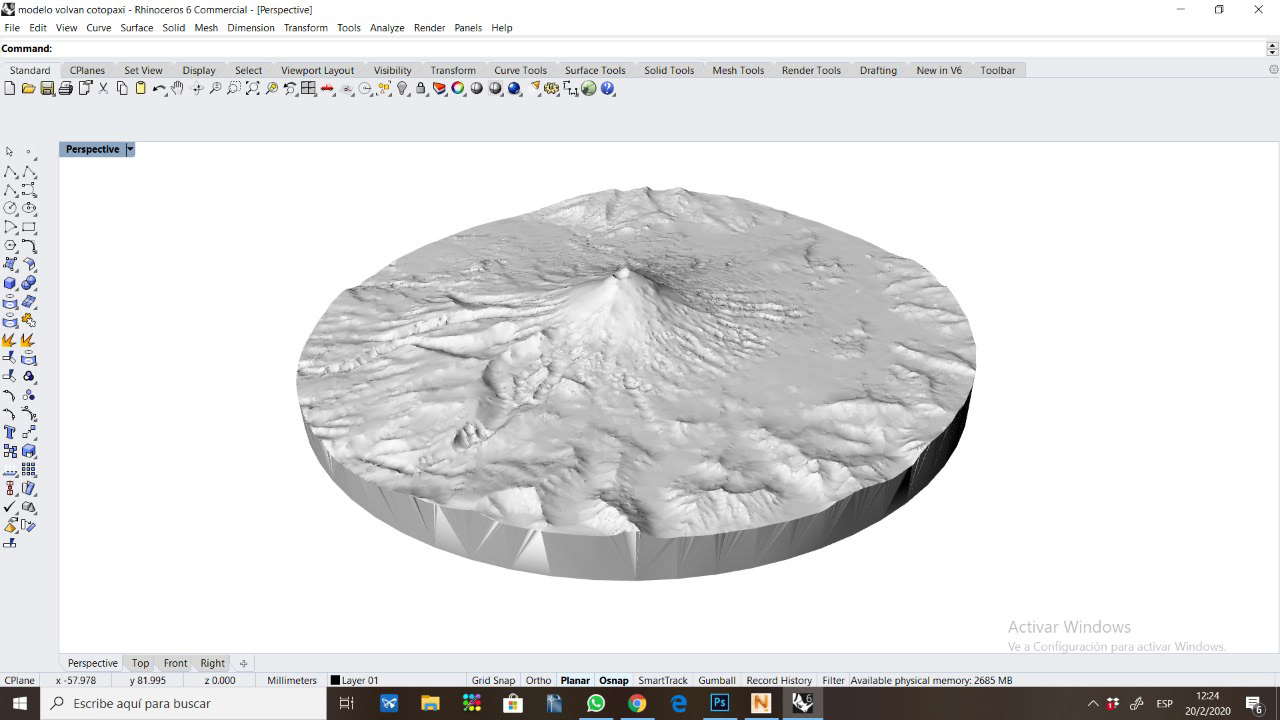
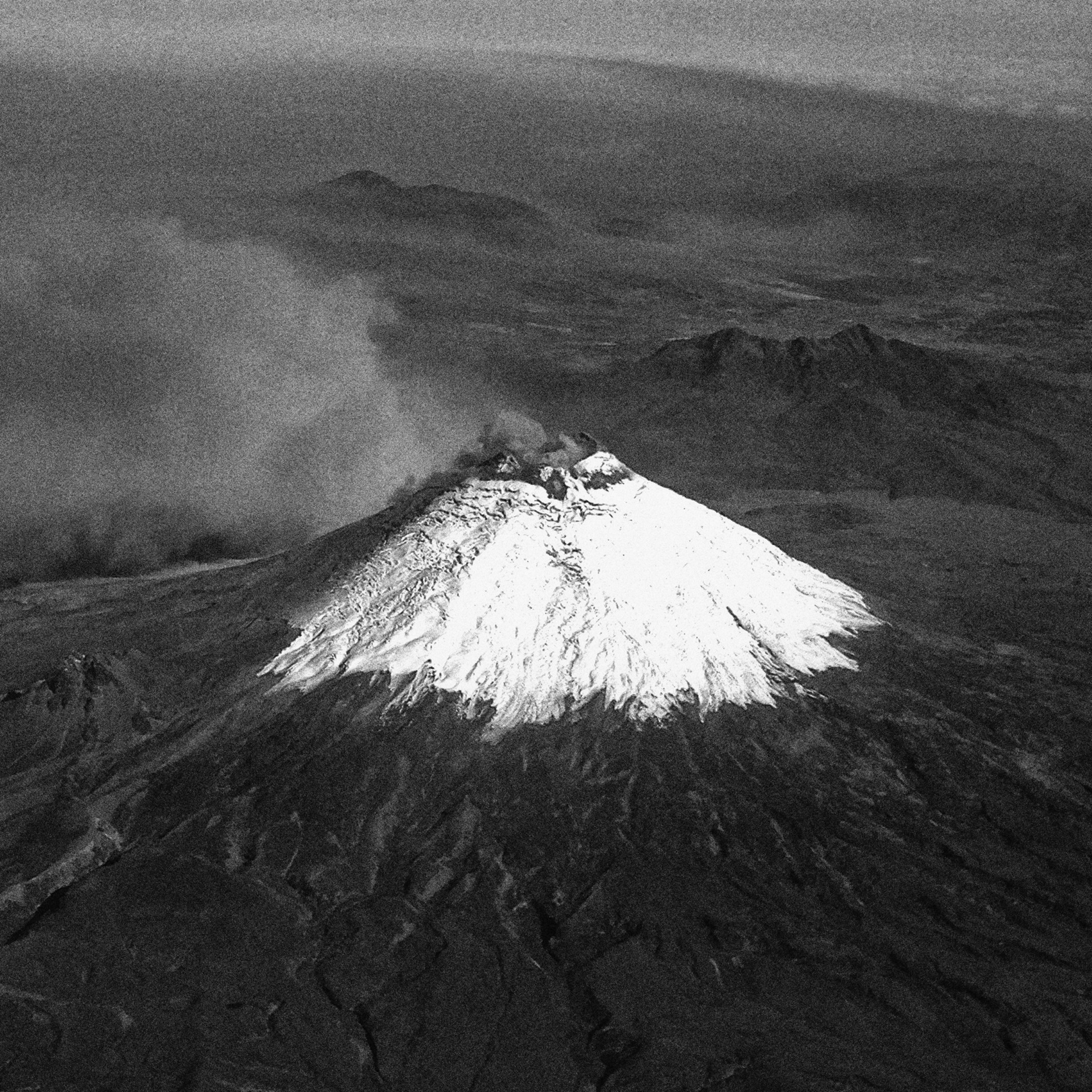
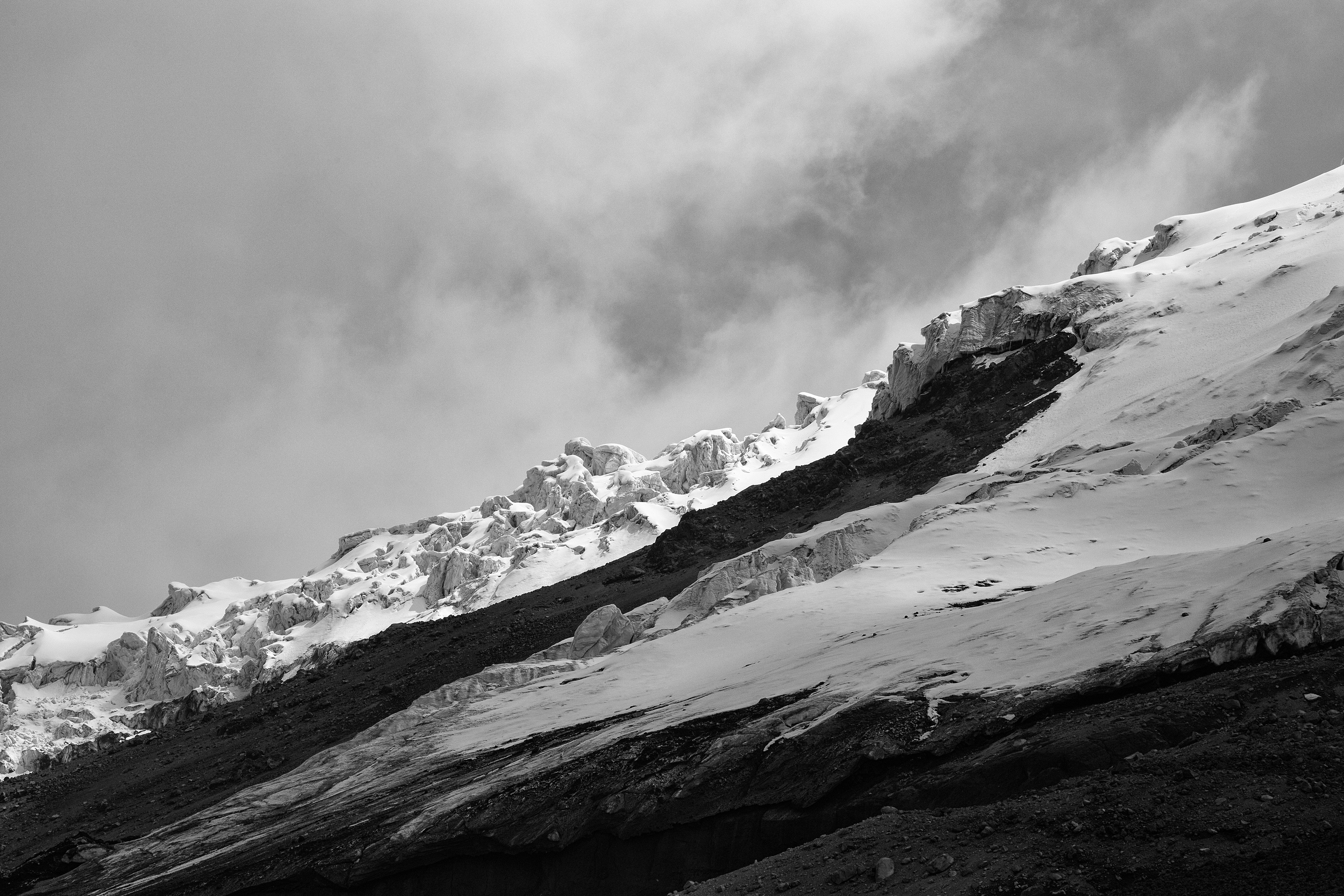
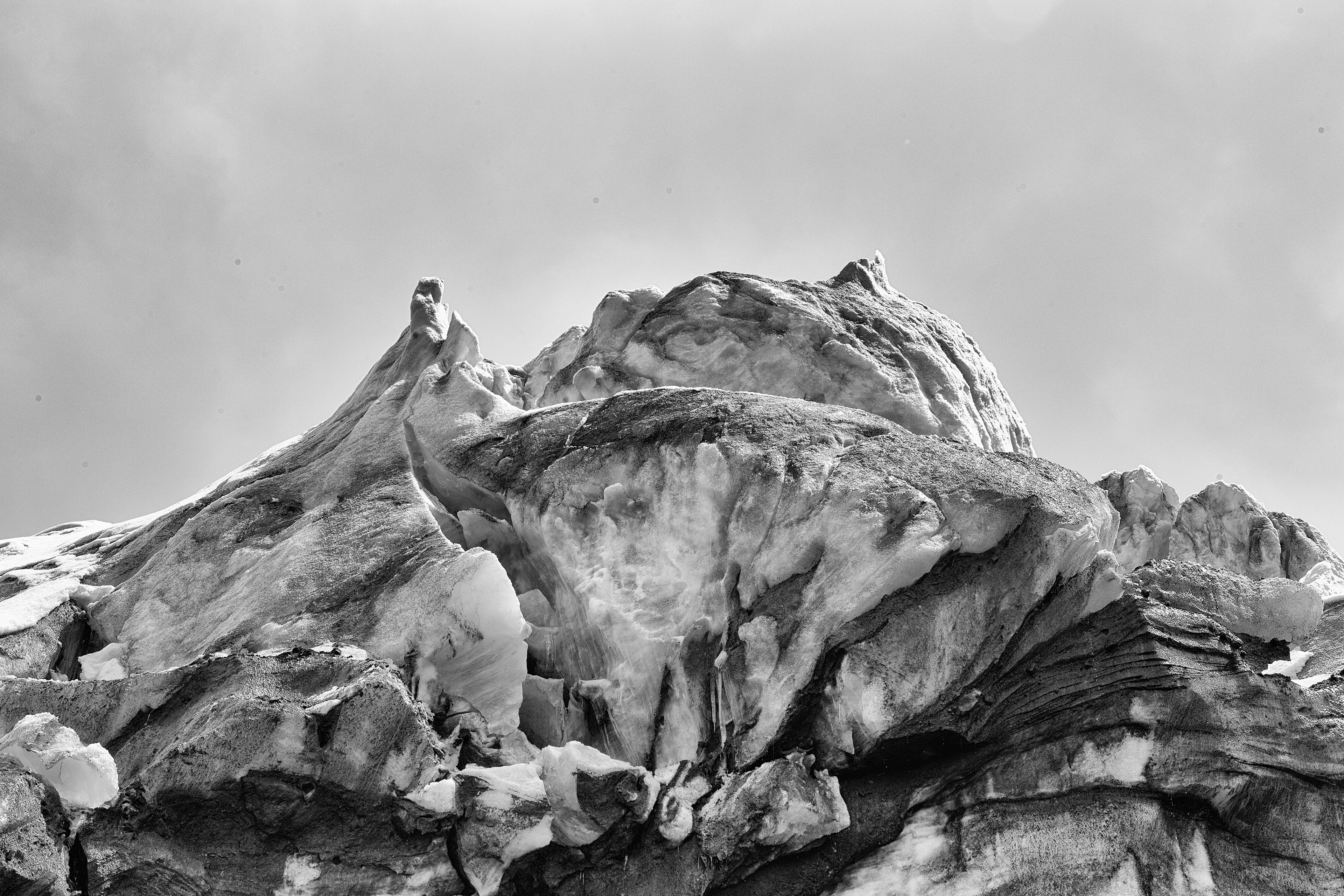
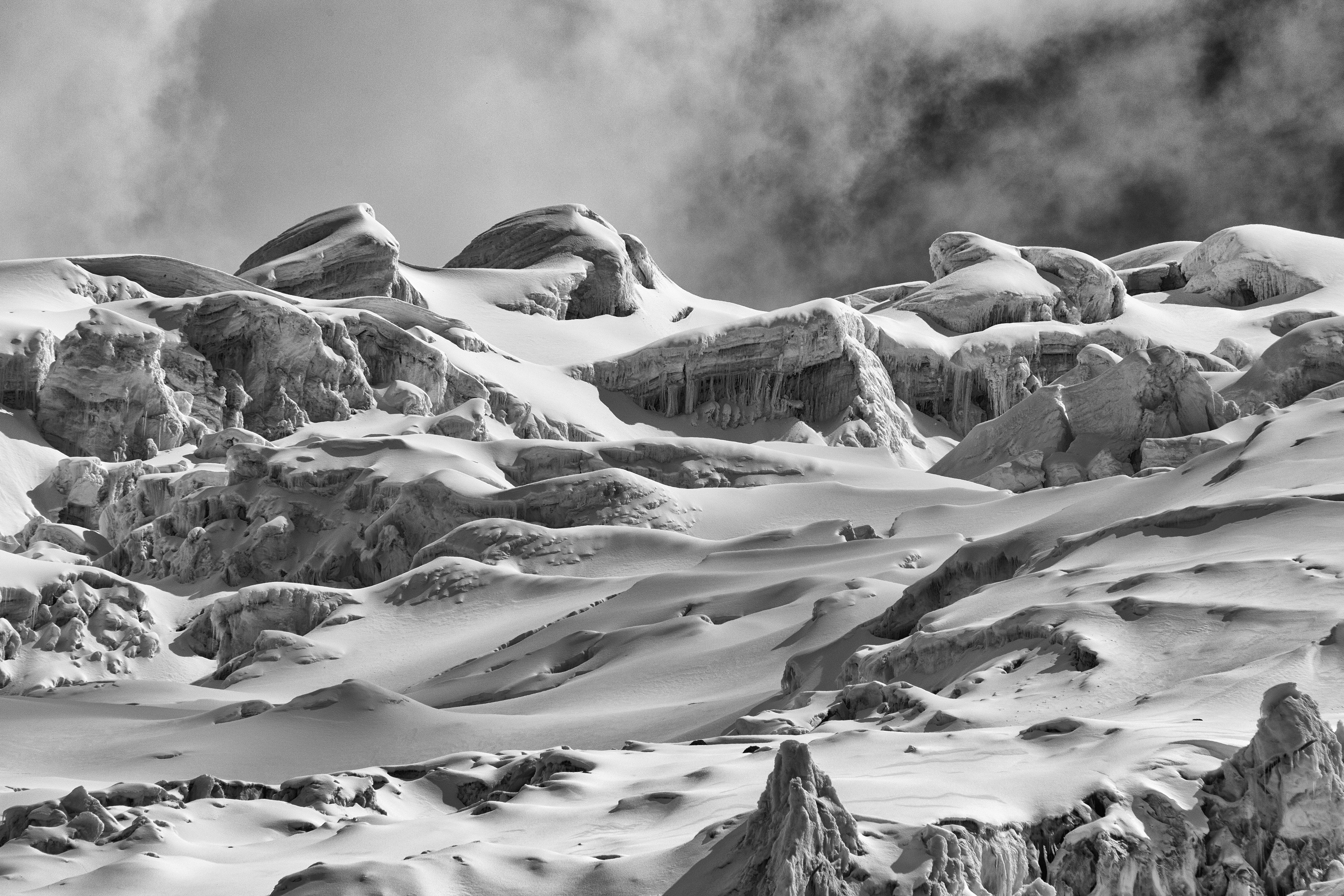
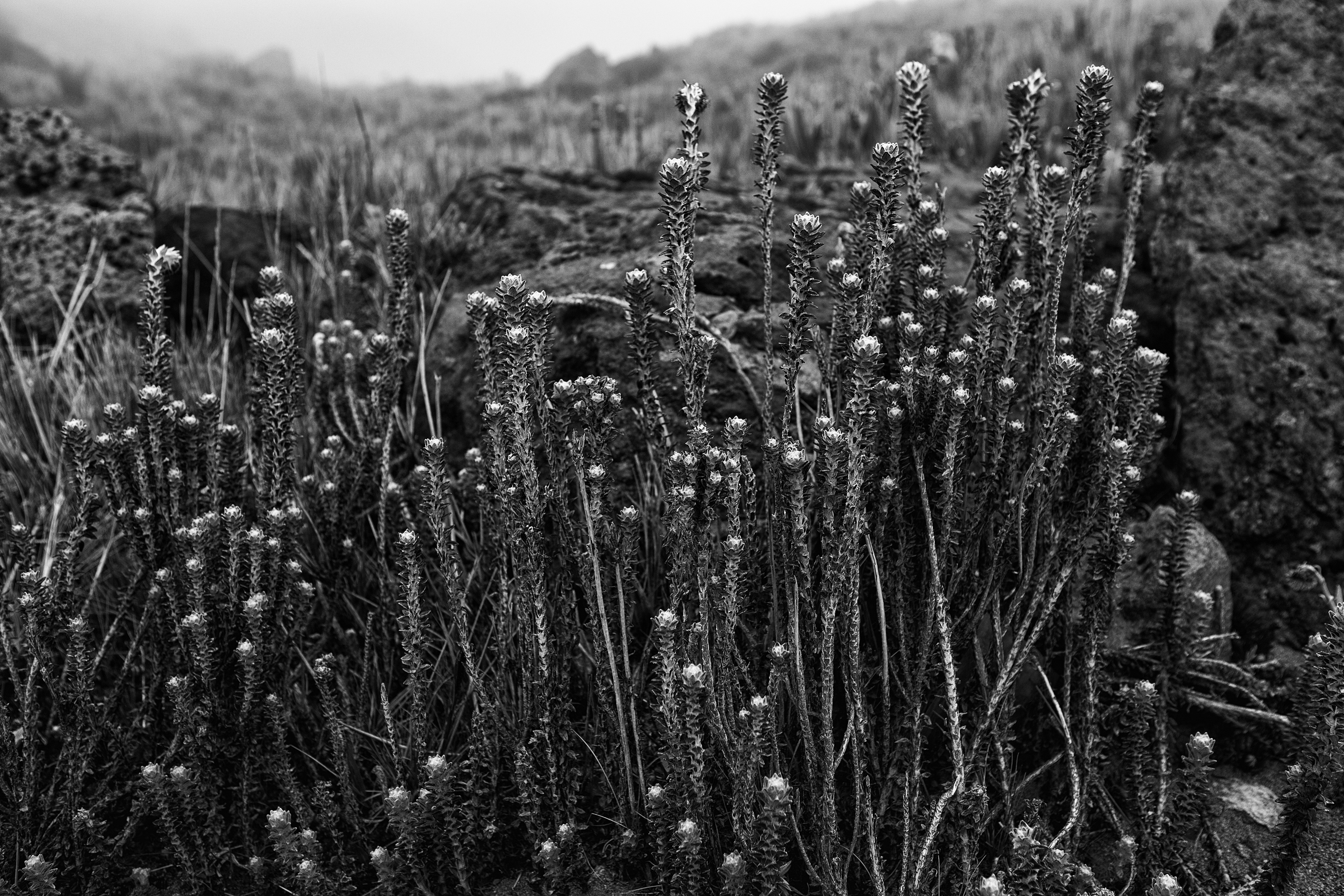
Tomando la referencia de ambas pinturas, mi propuesta trabaja alrededor de la idea de “estudios previos”. Tales estudios se han realizado traduciendo la representación del paisaje a medios tradicionales y a nuevas tecnologías. Es así como, las obras buscan generar una reflexión sobre nuestra relación actual con el paisaje, con el arte y con los medios por los que se lo consume.
This proposal takes as its point of departure Frederick Edwin Church’s painting The Heart of the Andes (1859). In the 19th century, Church traveled to Ecuador and produced in situ studies of the mountains of the Andean range. After his journey, and based on those studies, he painted Chimborazo, and later Cotopaxi in 1862, following the Romantic style of the period. His pictorial practice was strongly influenced by his reading of Alexander von Humboldt’s Cosmos (1845).
Drawing on both paintings as references, my proposal revolves around the idea of “preliminary studies.” These studies translate the representation of landscape into traditional media as well as new technologies. In this way, the works seek to prompt reflection on our current relationship to landscape, to art, and to the means through which it is consumed.
VIdeo entrevista sobre la obra realizada por la galería N24, Quito. 2020.
Video interview about the work, produced by Galería N24, Quito, 2020.
Estudios sobre El Corazón de los Andes
A partir de la primavera de 1859 se comenzó a mostrar El Corazón de los Andes de Frederick Edwin Church a un numeroso y embelesado público en Nueva York, varias ciudades de los Estados Unidos y Londres. Hasta entonces no se había dado una sensación tal en la historia del arte norteamericano, un éxito sin precedentes que llegó a convertirla en su pintura más influyente. Se estima que el día del cierre de su exhibición en Manhattan circularon por la Ten Gallery más de 6,000 personas que pagaban 25 centavos por verla, muchas de ellas usando binoculares de ópera para gozar de los pequeños detalles y la exuberante vegetación.
El llamado evocativo de los viajes de Humboldt a comienzos del siglo XIX tuvo una resonancia particular en Church, que se erigió como su más conspicuo discípulo-artista, habiendo producido un excepcional repertorio visual de primera mano que daba cuenta del ánimo que insuflaba el naturalista alemán en los pintores. El mismo Church reivindicaba ser el “Humboldt artístico” del nuevo mundo. El Corazón de los Andes es el summum de una era donde por lo menos 30 artistas-exploradores viajaron a los trópicos en busca de escenarios exóticos, alentados tanto por el espíritu explorador de las décadas previas como por la narrativa edénica que configuraban los paisajes del sur del continente: los dos viajes de Church al Ecuador (1853 y 1857) se han enfocado como una búsqueda del paraíso en la Tierra, siendo el subcontinente -en la mente norteamericana de aquel entonces- una representación del mundo como existió en sus orígenes. Curiosamente, como fin metafórico al romanticismo de tal empresa, hacia fines de aquel 1959, se publica “El origen de las especies” de Darwin, que supone un lento adiós a aquellas creencias y el afianzamiento definitivo de la teoría científica y su secularización.
Algunos historiadores hilvanan una relación exagerada entre la “fascinación pictórica” de paisajes como los de Church y el afán de “expansionismo territorial” estadounidense. Siguiendo este hilo se puede inducir a enfocar la investigación de Gonzalo Vargas bajo la abusada lente académica de la lógica decolonial, pero aquello sería empequeñecer de manera egoísta su trabajo reduciéndolo a un proyecto intelectualoide. Yo me quedo con el franco goce que genera la calidad de sus imágenes y el transparente asombro que transmite su mirada. Si hay algo que motiva a Vargas a seguir las pistas de exploradores del pasado esto parece ser el perseguir el deslumbramiento en sí mismo, un móvil desprovisto de cinismo, empeñado en re-interpretar/re-crear la maravilla del acontecer primero que suscita todo encuentro y hallazgo. El lúdico diálogo que provocan estos “estudios” centrados en los volcanes Chimborazo y Cotopaxi, y el contraste significante que logra entre herramientas de representación y tecnologías del presente y el pasado, permiten preguntarnos por cuestiones que habitan en otro plano de la experiencia humana y que, tal vez, aún quedan por descubrir.
Rodolfo Kronfle Chambers
Cuarentena 2020
Cuarentena 2020
Studies on The Heart of the Andes
Beginning in the spring of 1859, Frederick Edwin Church’s The Heart of the Andes was shown to a large and enthralled public in New York, several cities across the United States, and London. Until then, nothing comparable had occurred in the history of North American art: an unprecedented success that would make it his most influential painting. It is estimated that on the closing day of its Manhattan exhibition, more than 6,000 people passed through the Ten Gallery, paying twenty-five cents to see it—many of them using opera glasses to enjoy the minute details and exuberant vegetation.
The evocative call of Humboldt’s travels at the beginning of the 19th century resonated strongly with Church, who emerged as his most conspicuous artist-disciple, producing an exceptional first-hand visual repertoire that captured the spirit the German naturalist infused into painters. Church himself claimed to be the “artistic Humboldt” of the New World. The Heart of the Andes is the summit of an era in which at least thirty artist-explorers traveled to the tropics in search of exotic scenes, encouraged both by the exploratory spirit of previous decades and by the Edenic narrative projected onto the landscapes of the southern continent. Church’s two trips to Ecuador (1853 and 1857) have been framed as a search for paradise on Earth—since the subcontinent, in the North American imagination of the time, represented the world as it had existed in its origins. Curiously, as a metaphorical end to the Romanticism of such an enterprise, toward the end of that same 1859 Darwin published On the Origin of Species, signaling a slow farewell to those beliefs and the definitive consolidation of scientific theory and secularization.
Some historians weave an exaggerated relationship between the “pictorial fascination” of landscapes like Church’s and the U.S. drive for “territorial expansionism.” Following that thread, one might be tempted to frame Gonzalo Vargas’s research through the overused academic lens of decolonial logic—but that would selfishly diminish his work by reducing it to an intellectualized project. I prefer the frank pleasure produced by the quality of his images and the transparent wonder conveyed by his gaze. If anything motivates Vargas to follow the traces of explorers from the past, it seems to be the pursuit of wonder itself—an impulse free of cynicism, intent on reinterpreting and recreating the marvel of first occurrence that every encounter and discovery can awaken. The playful dialogue generated by these “studies,” centered on the Chimborazo and Cotopaxi volcanoes, and the meaningful contrast he achieves between representational tools and technologies of the present and the past, invites us to ask questions that inhabit another plane of human experience—and that, perhaps, still remain to be discovered.
Rodolfo Kronfle Chambers
Quarantine, 2020
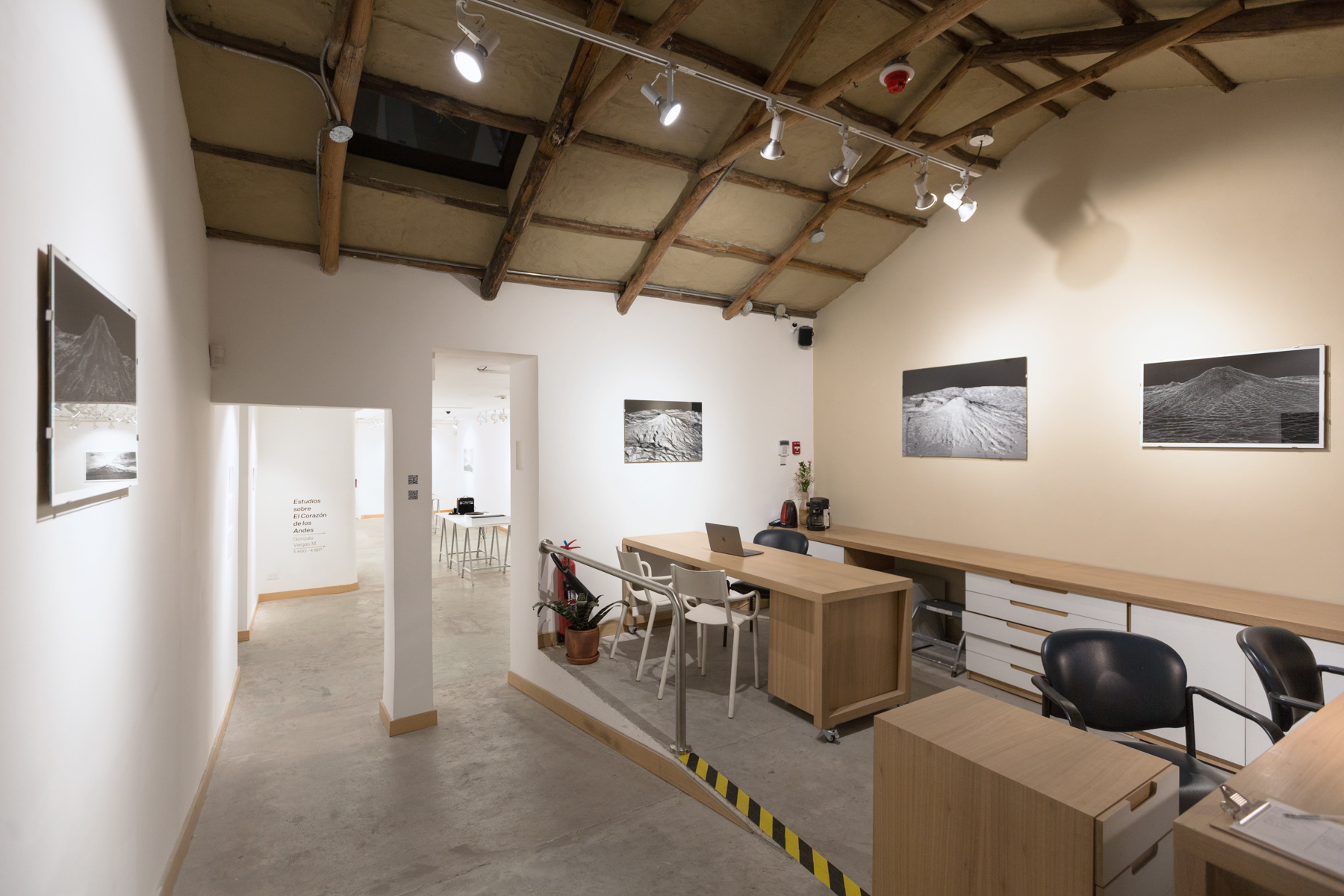
Estudios sobre el Corazón de los Andes, 2020.
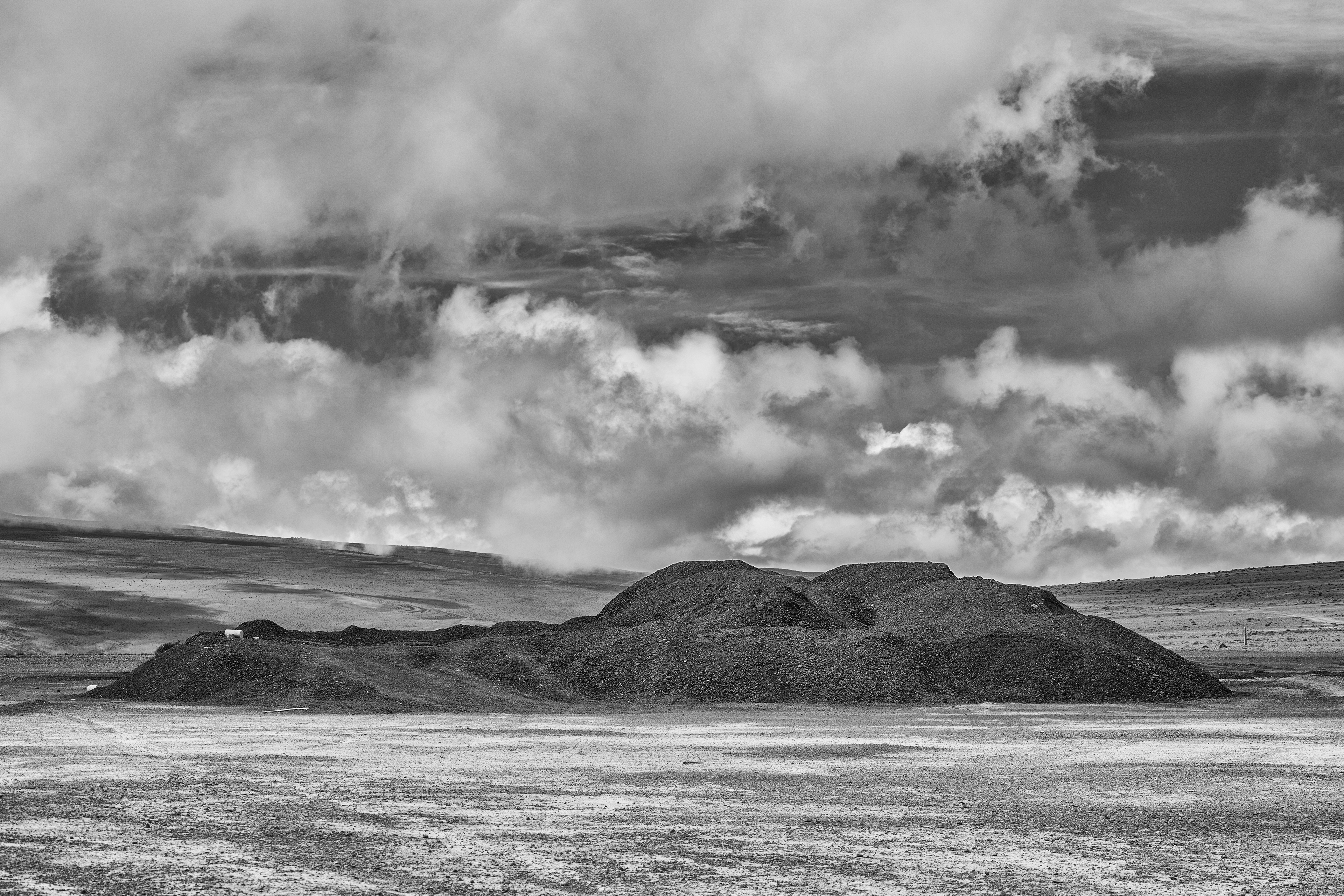
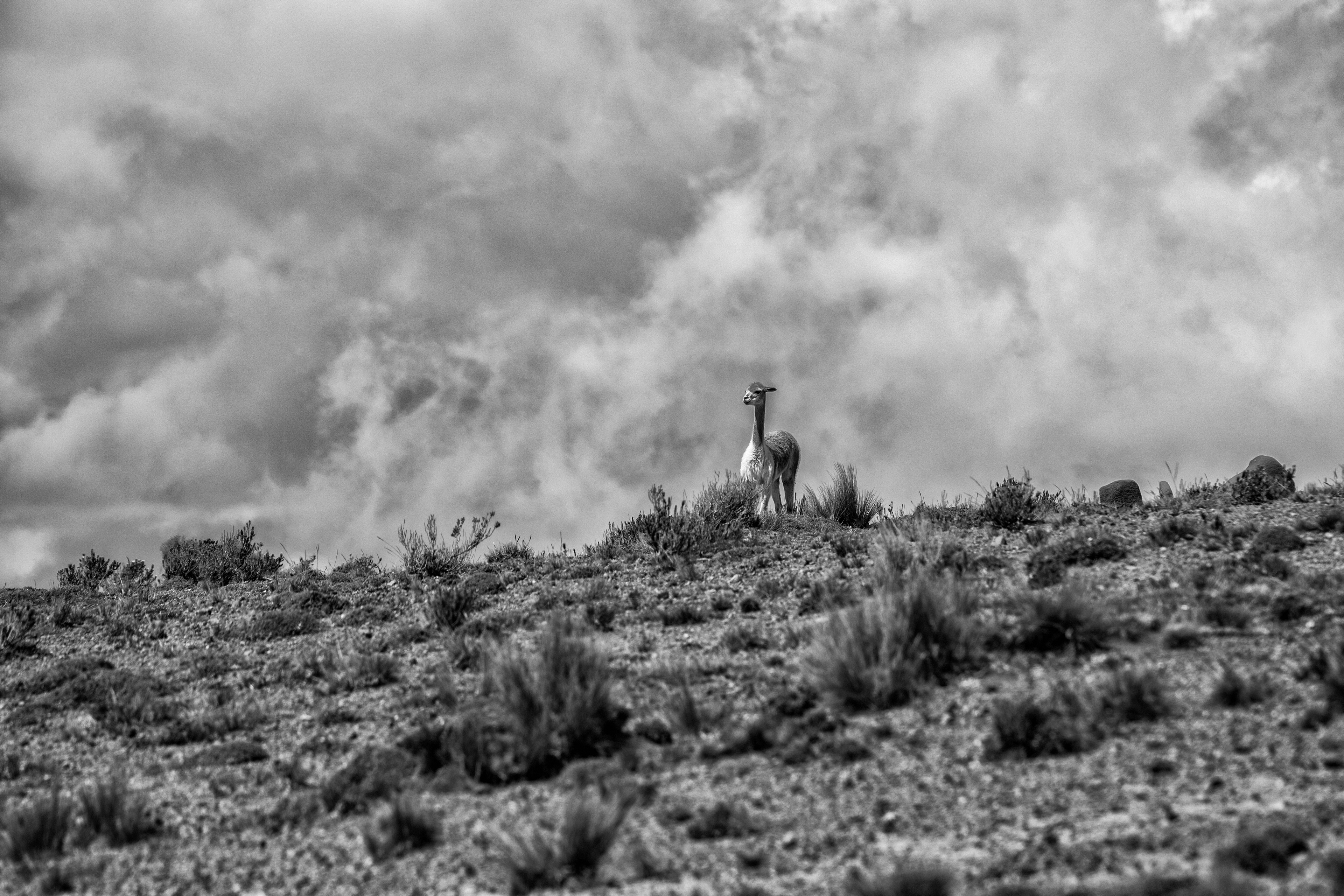
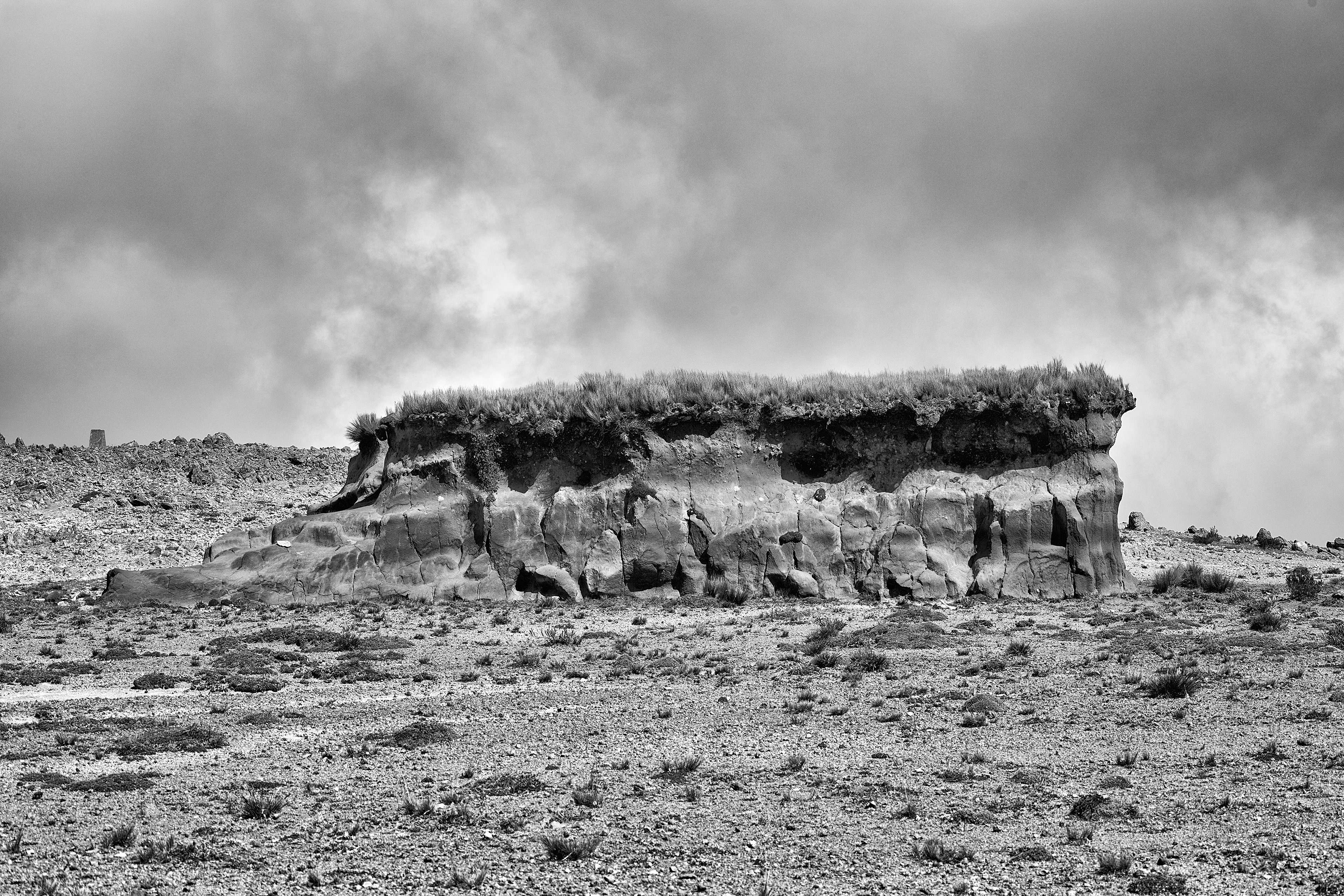
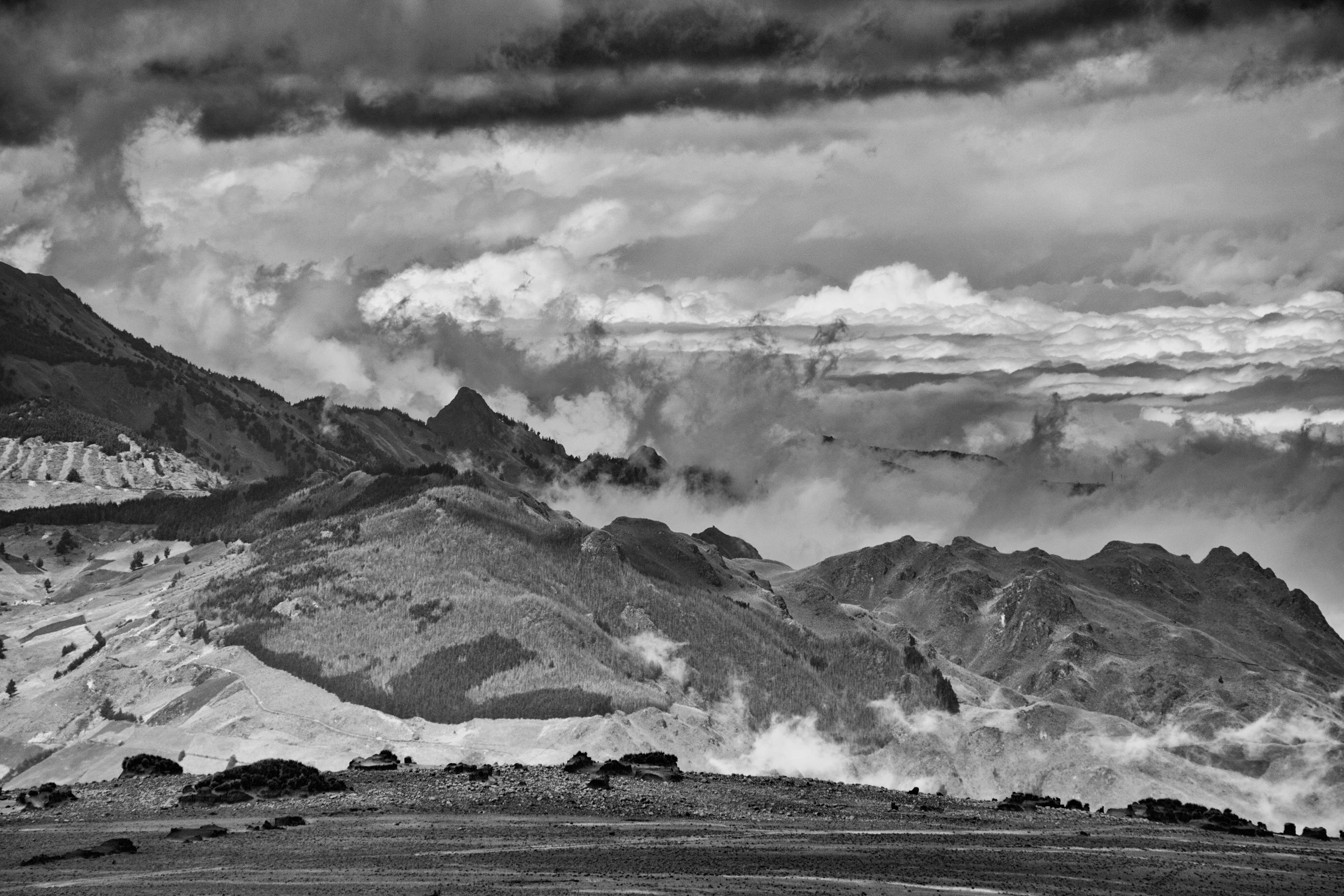
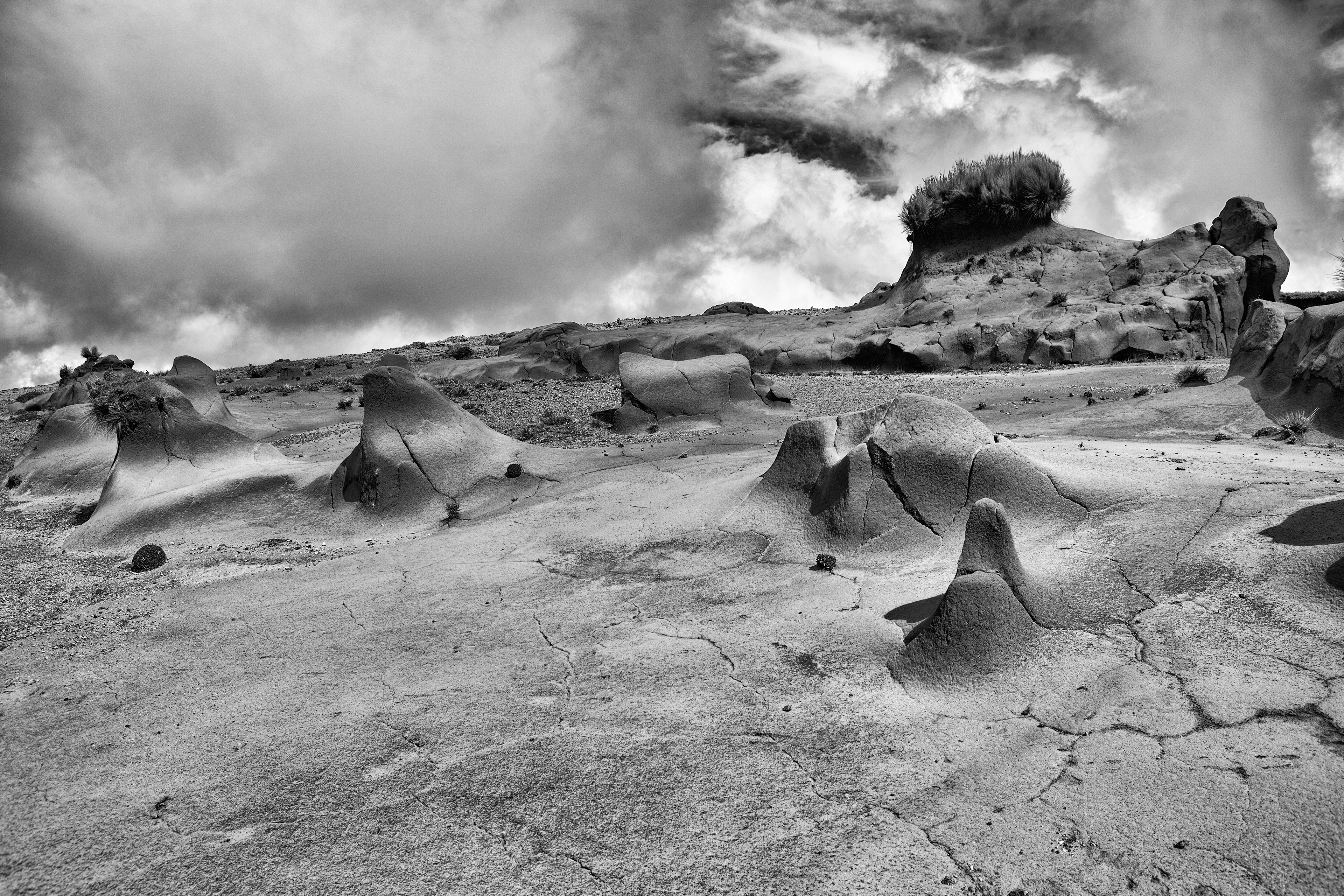
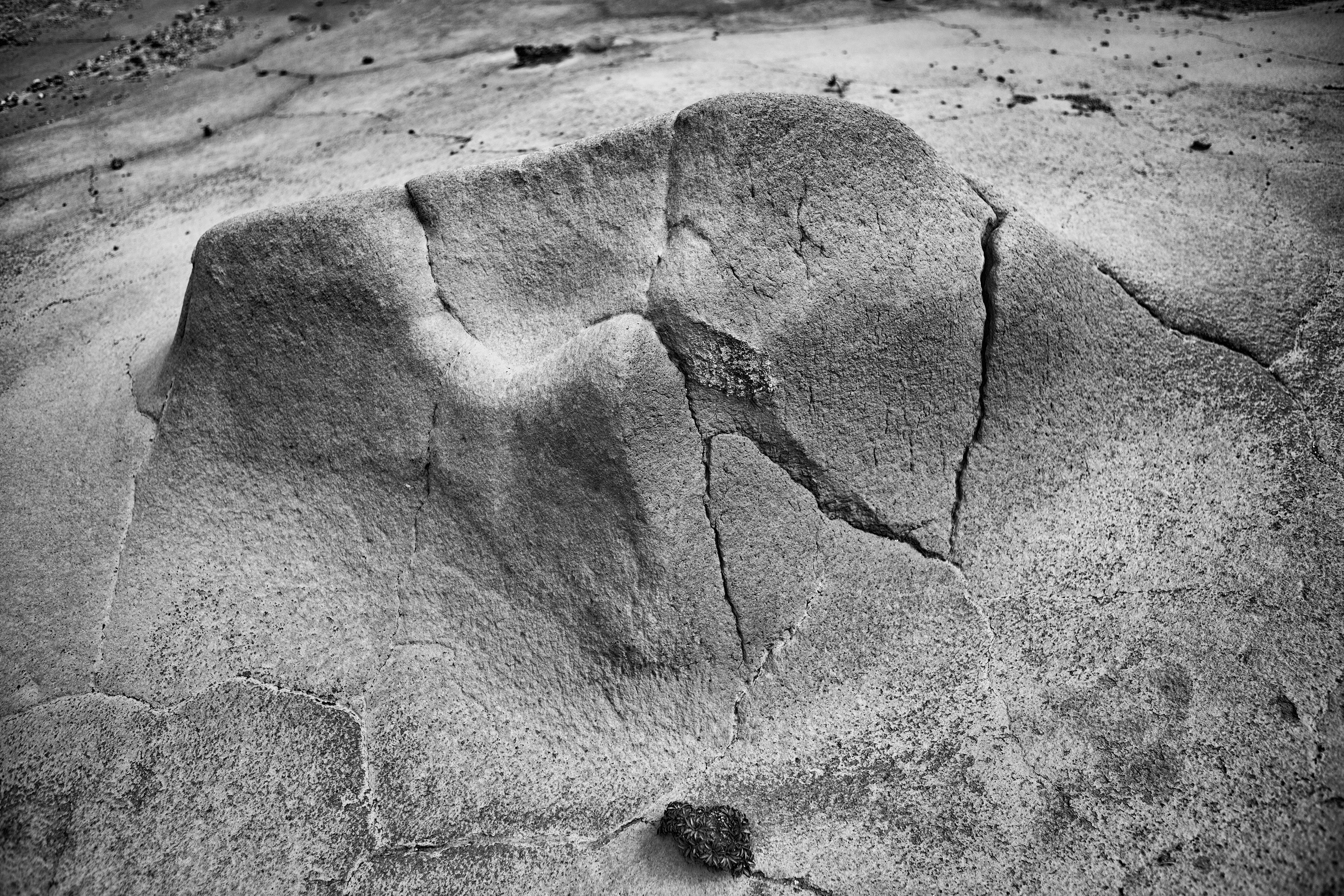
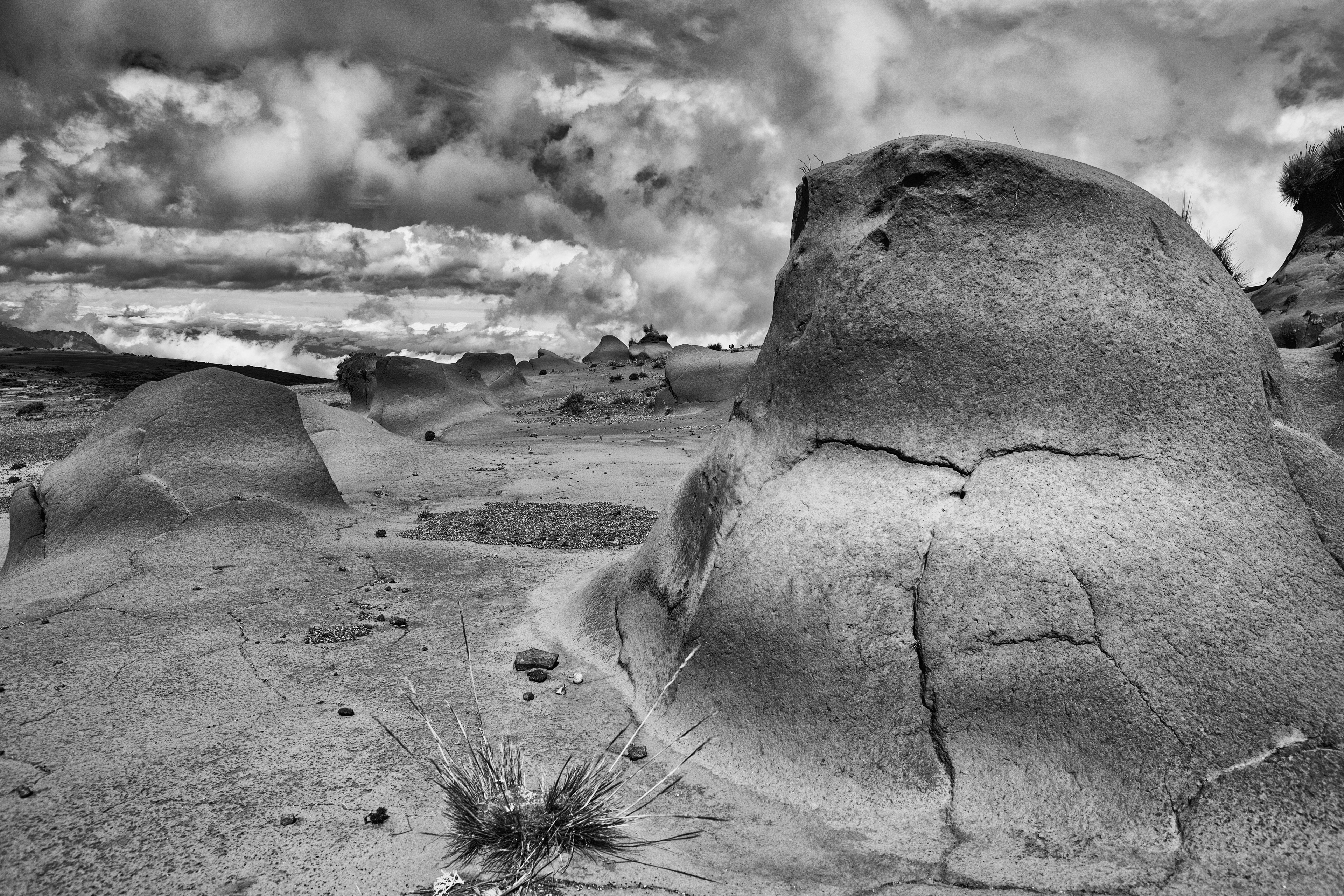
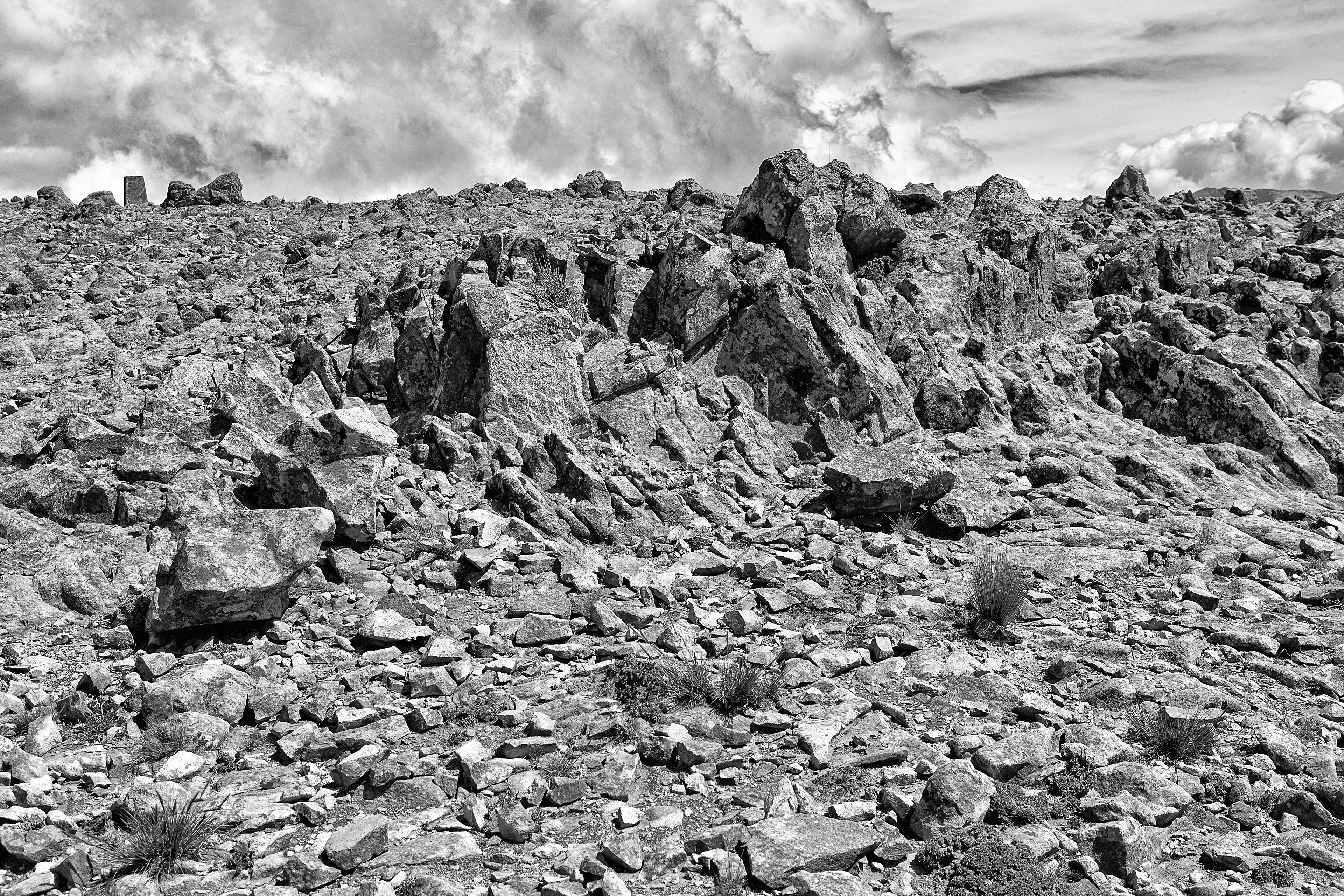
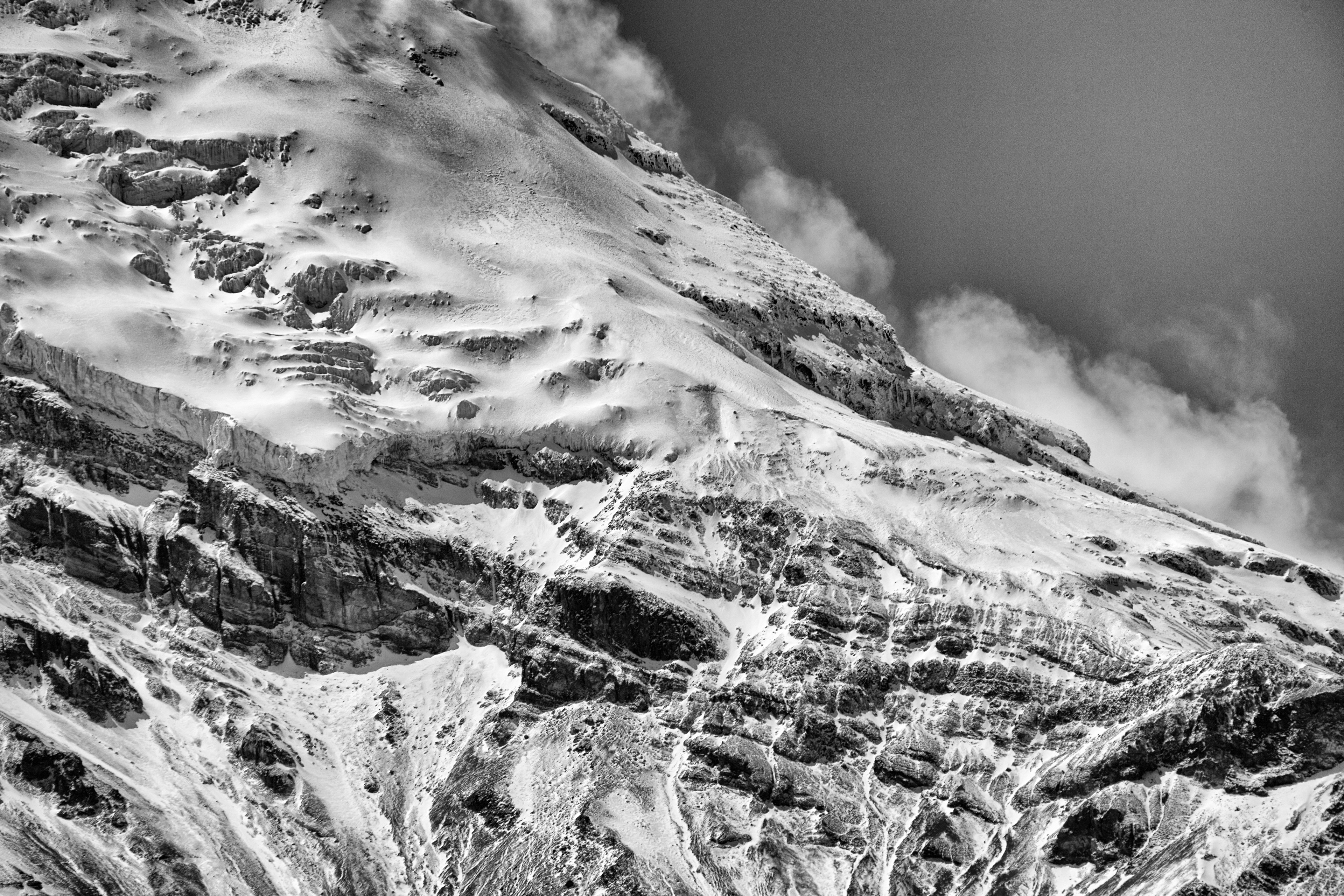
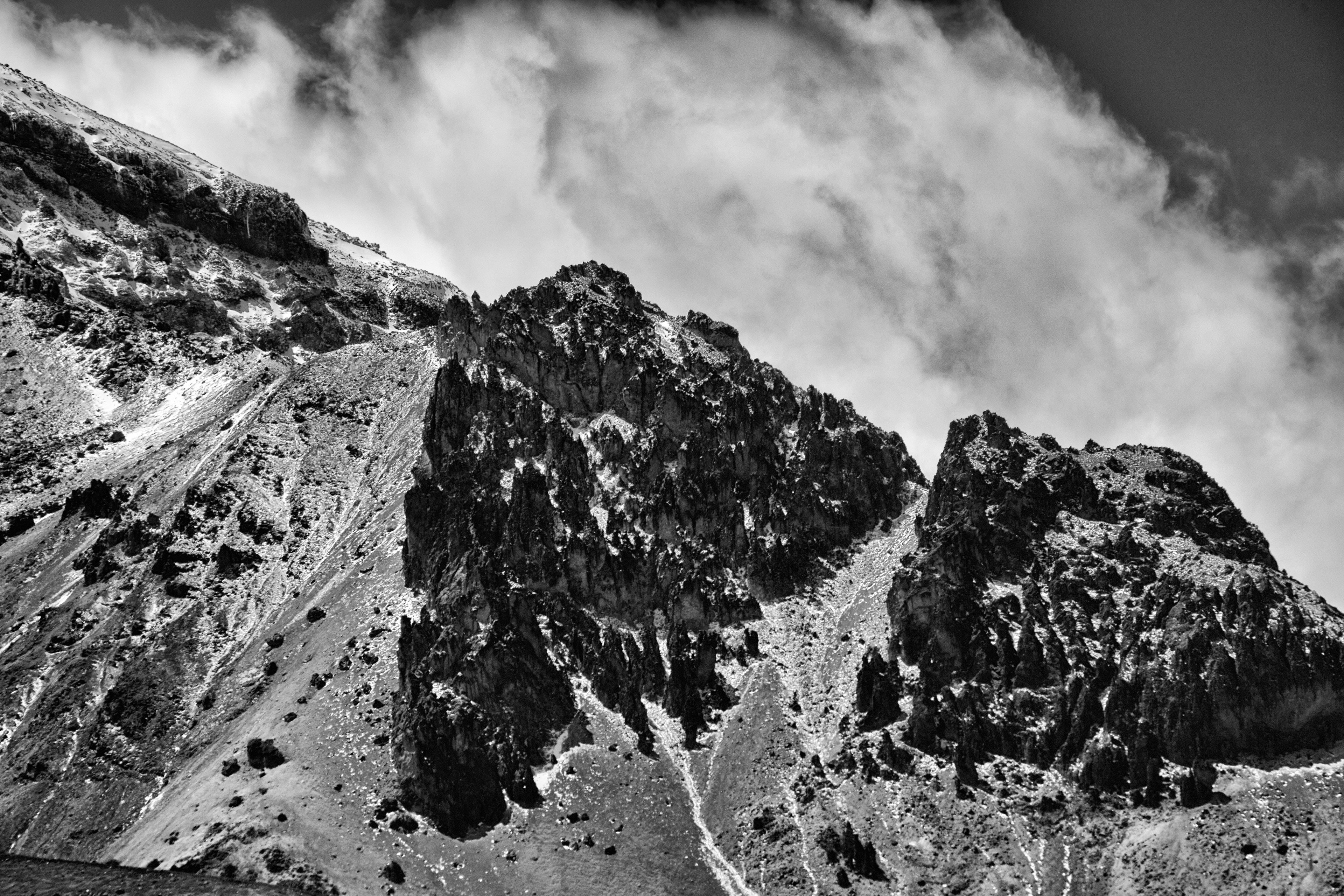
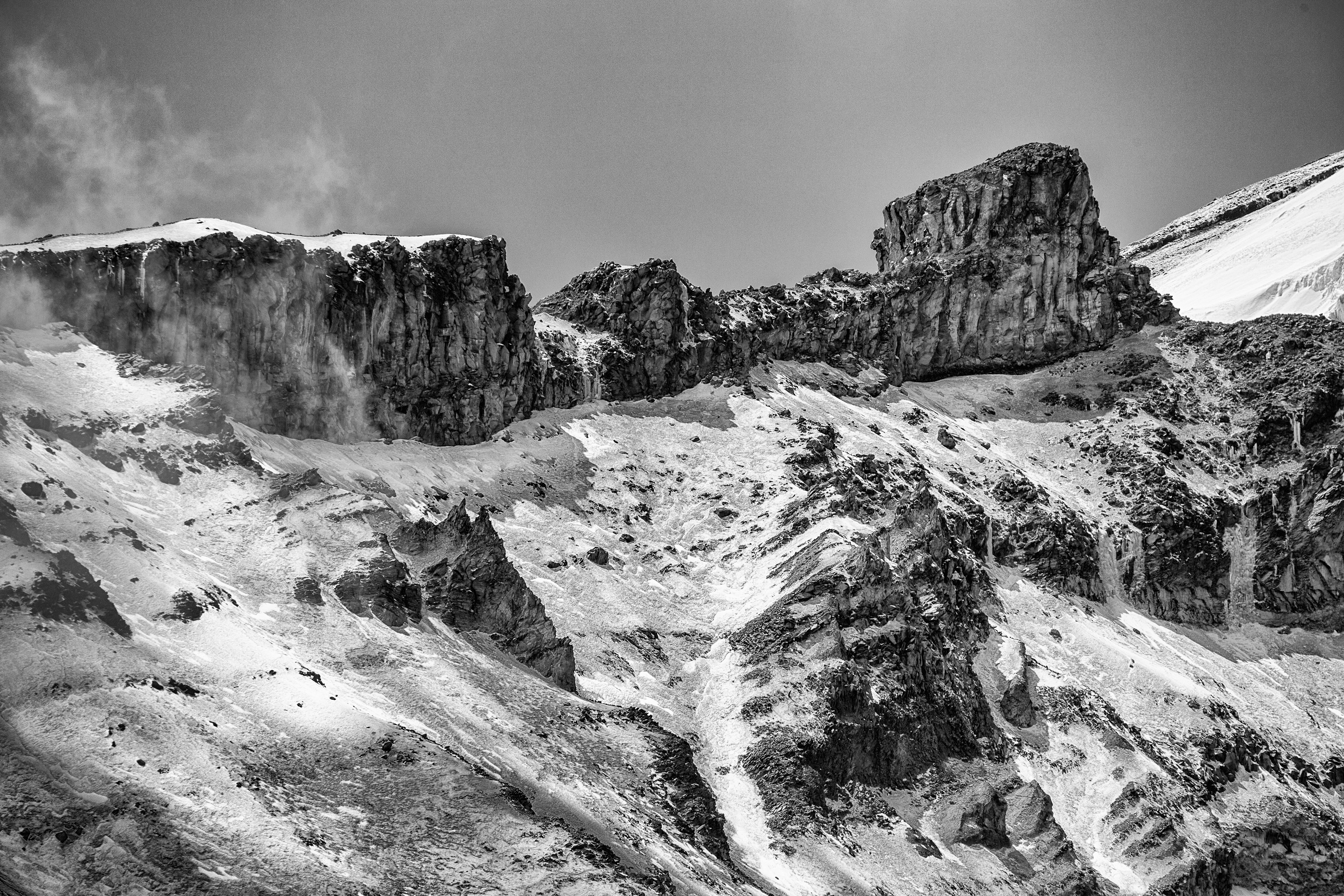
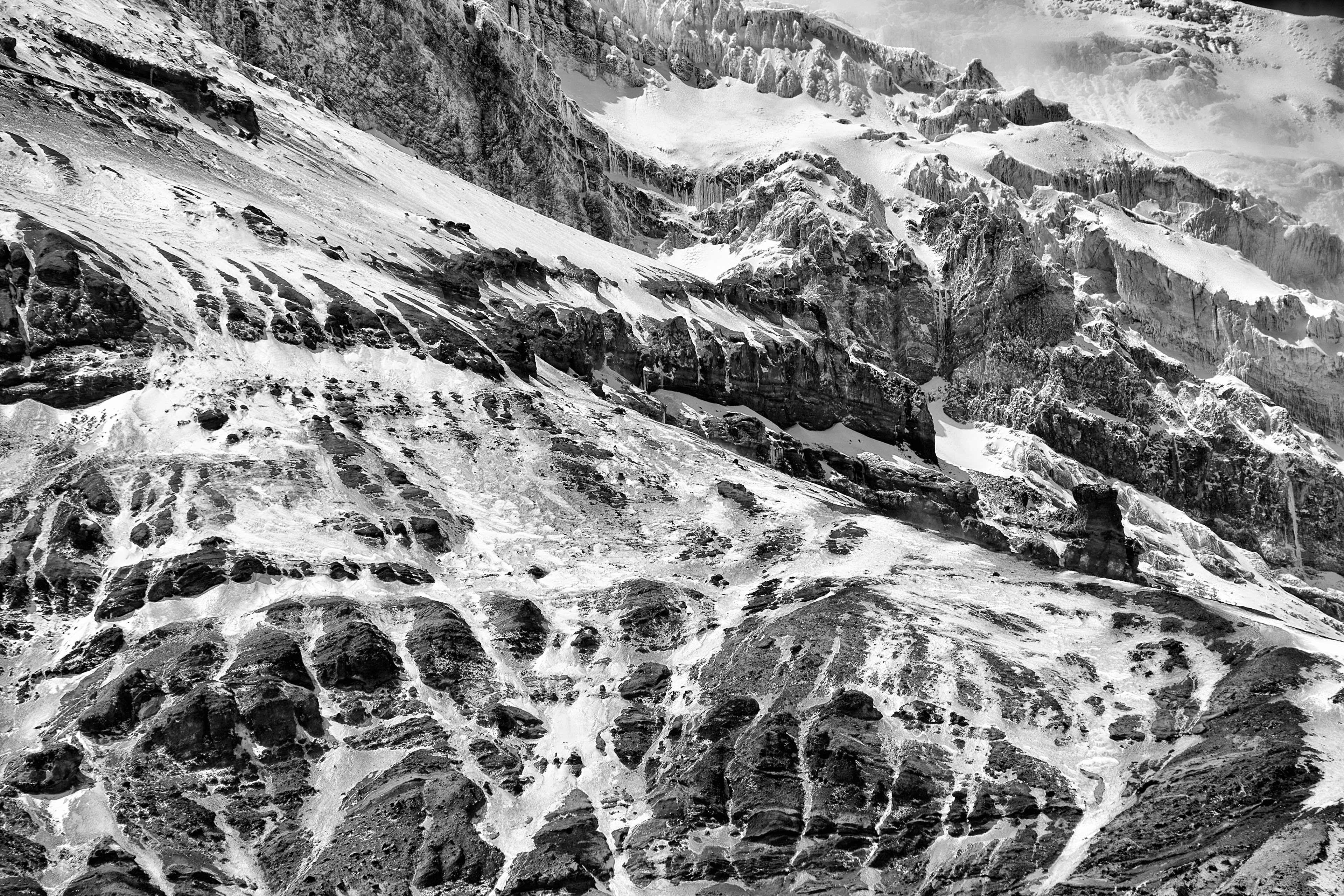
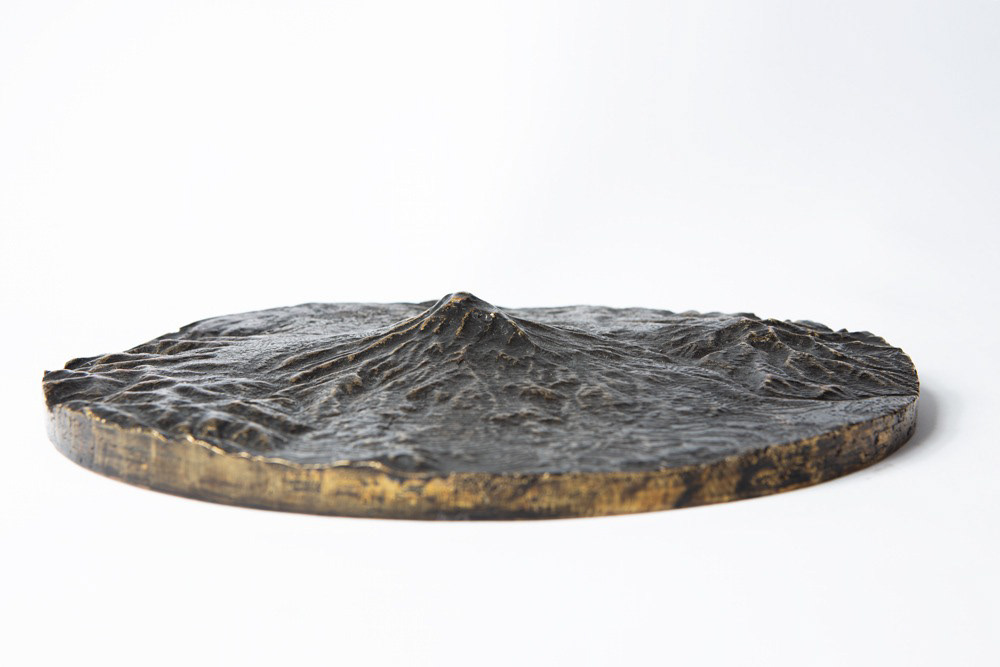
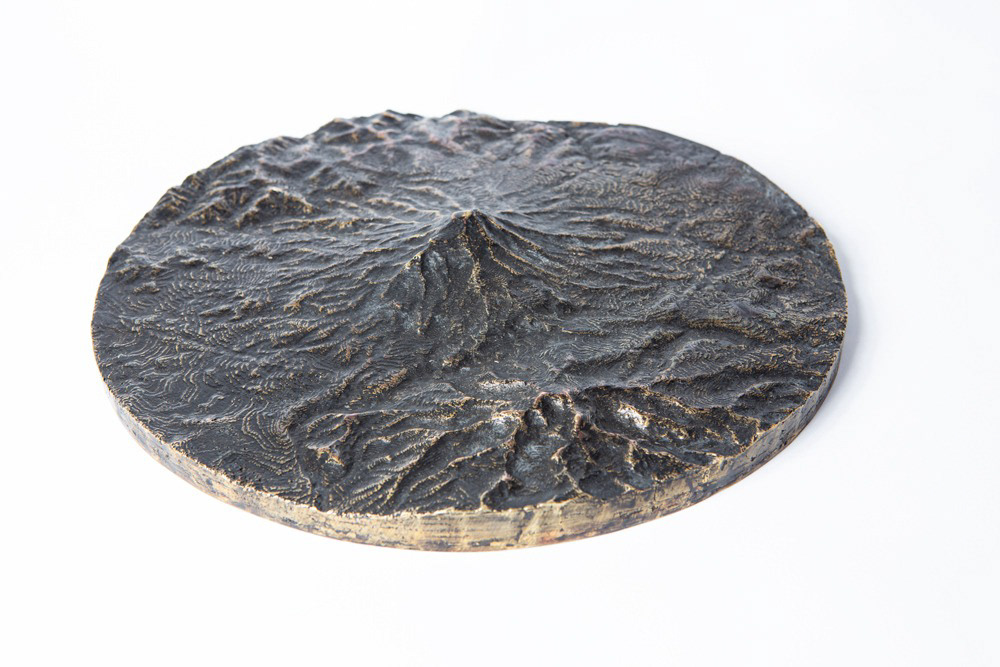
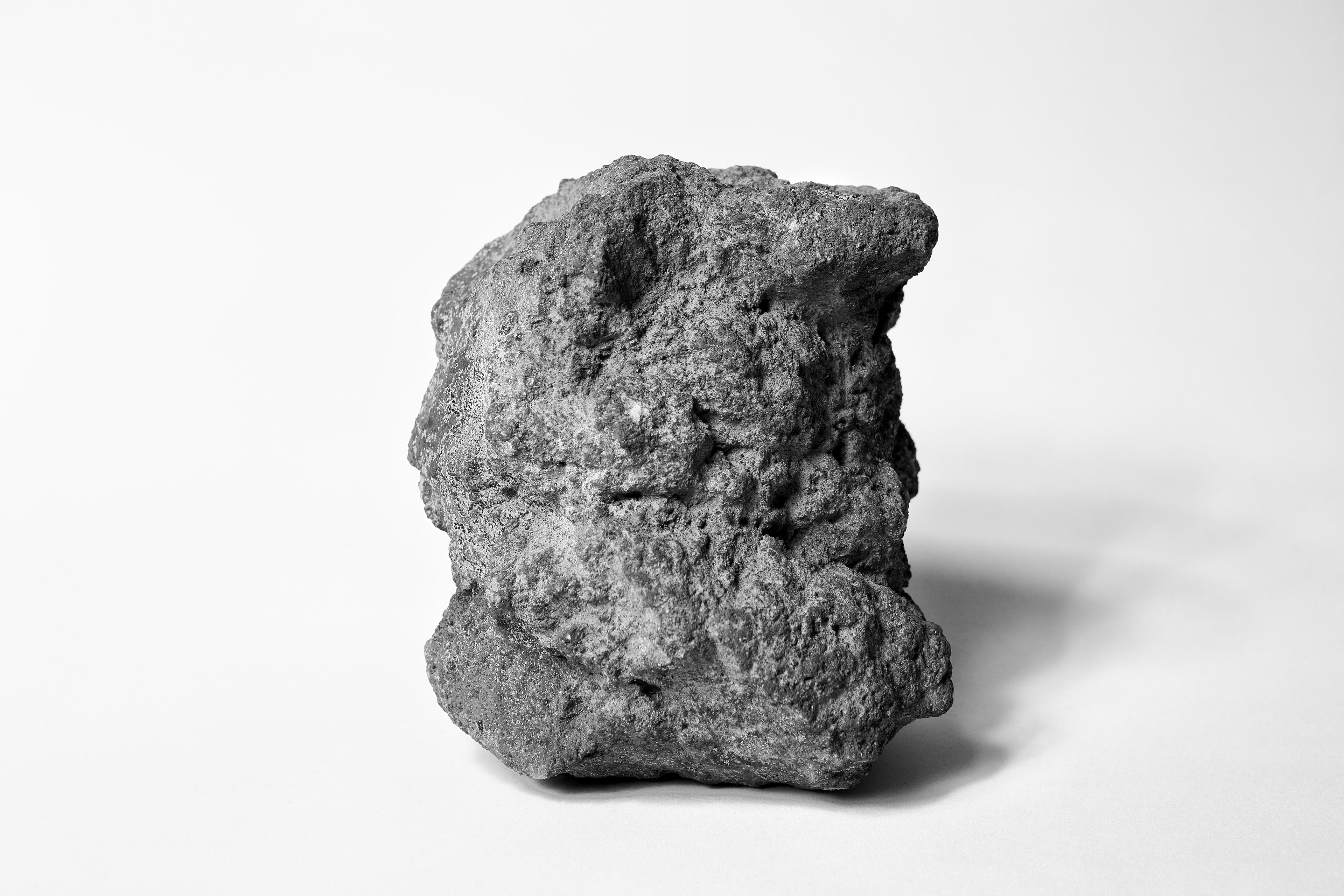
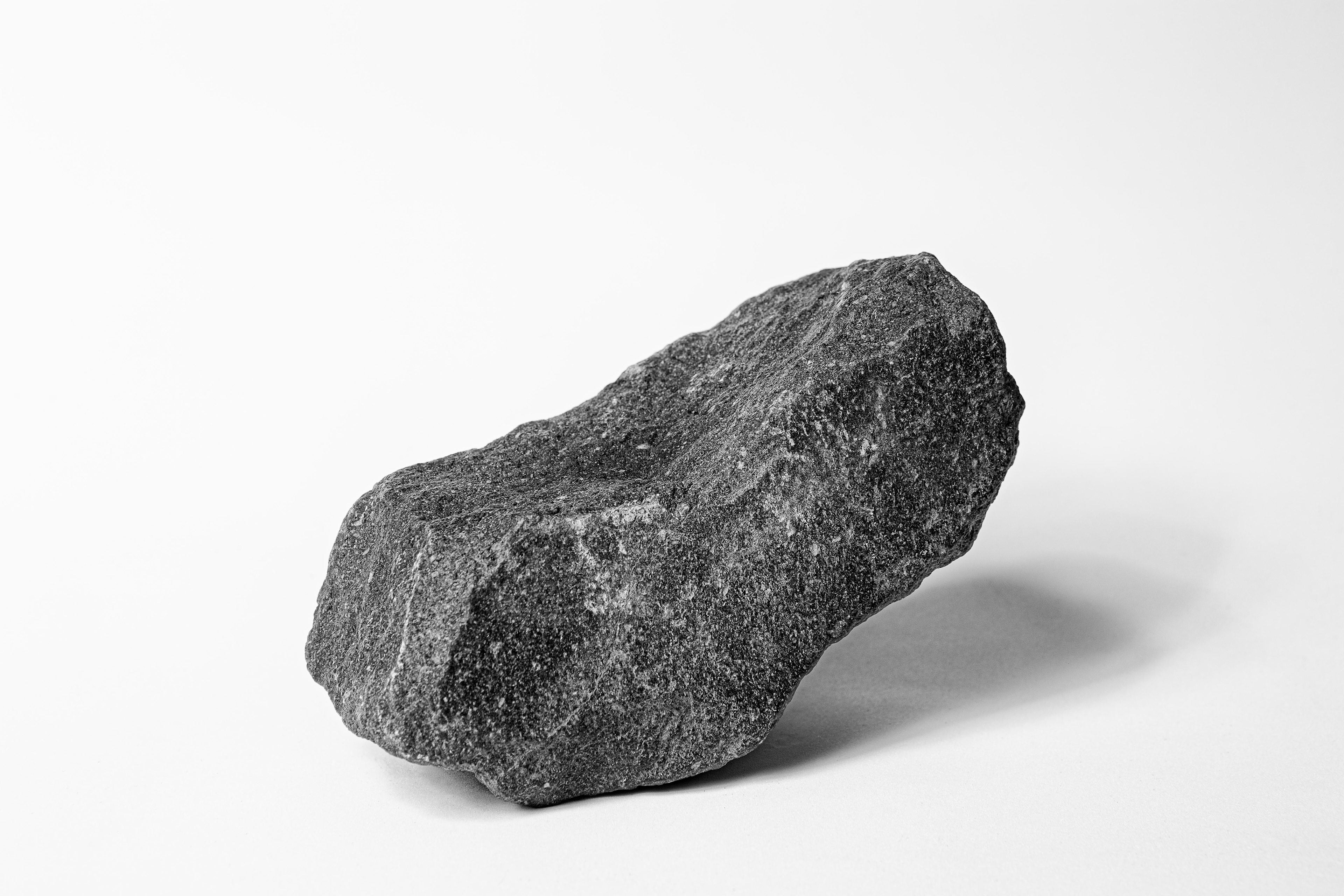
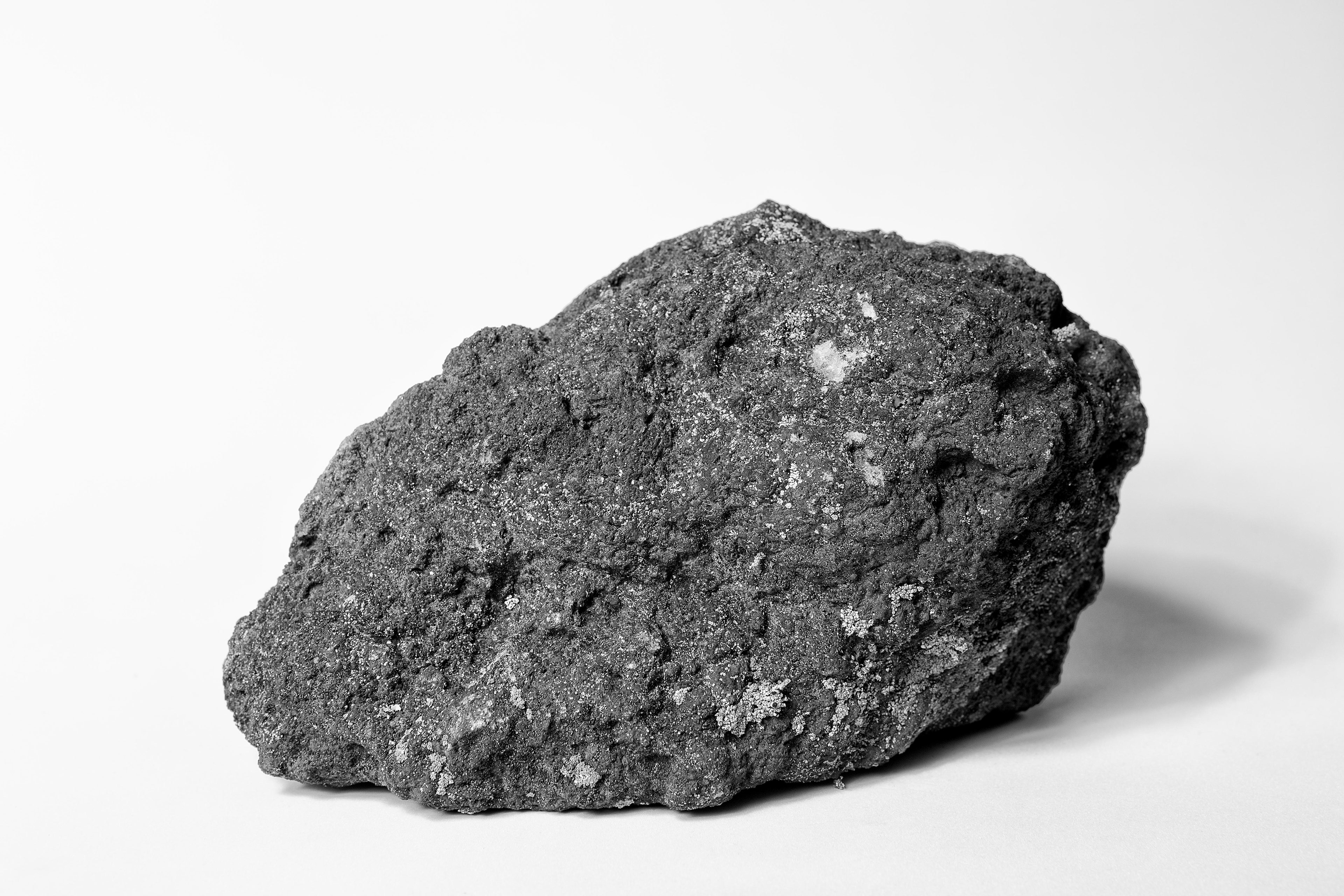
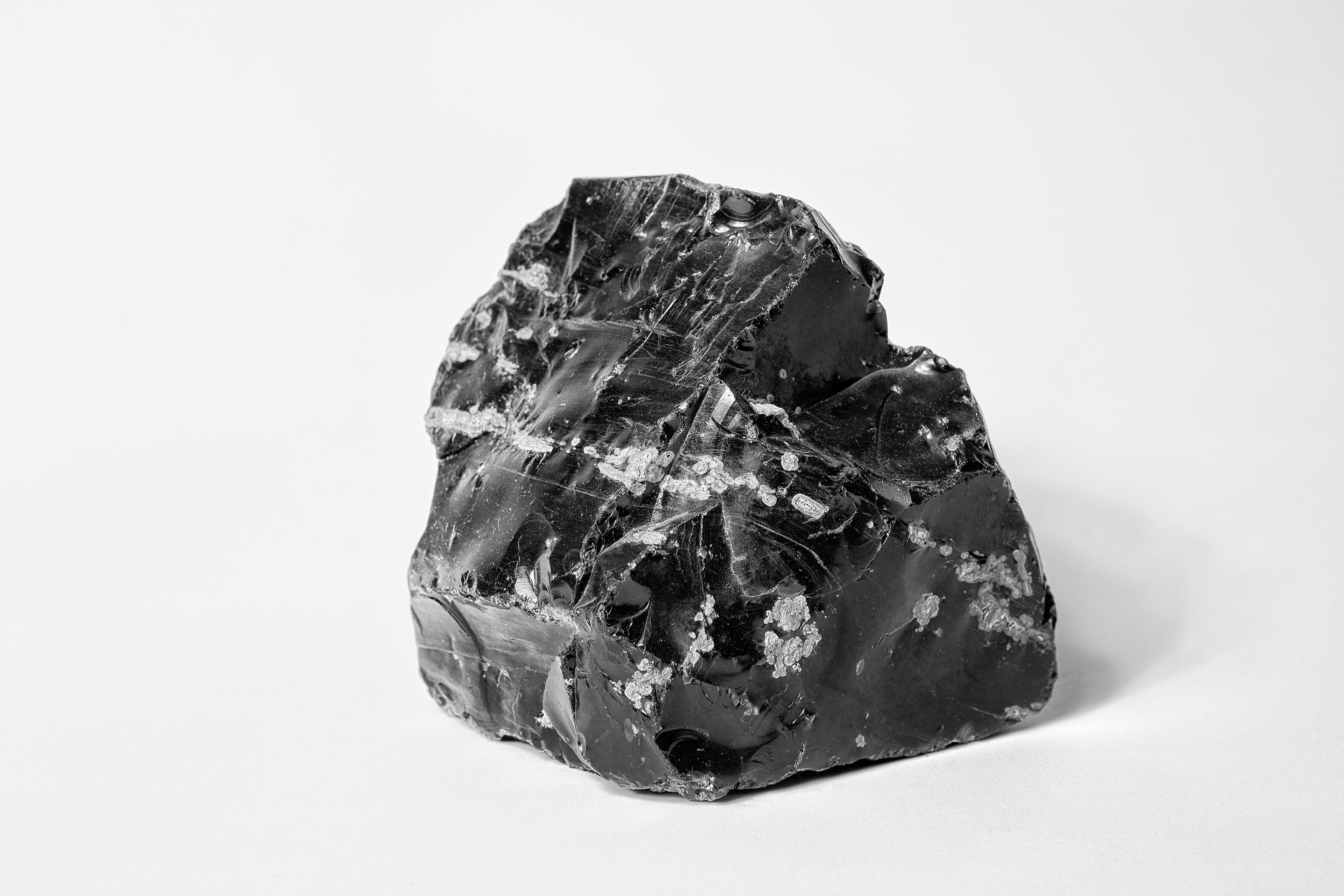
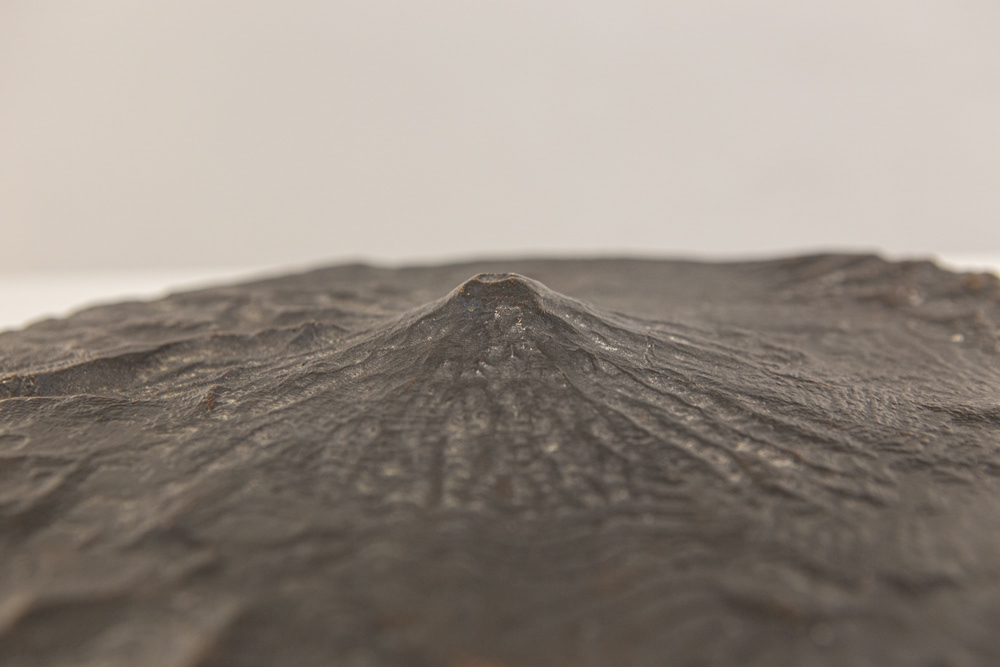
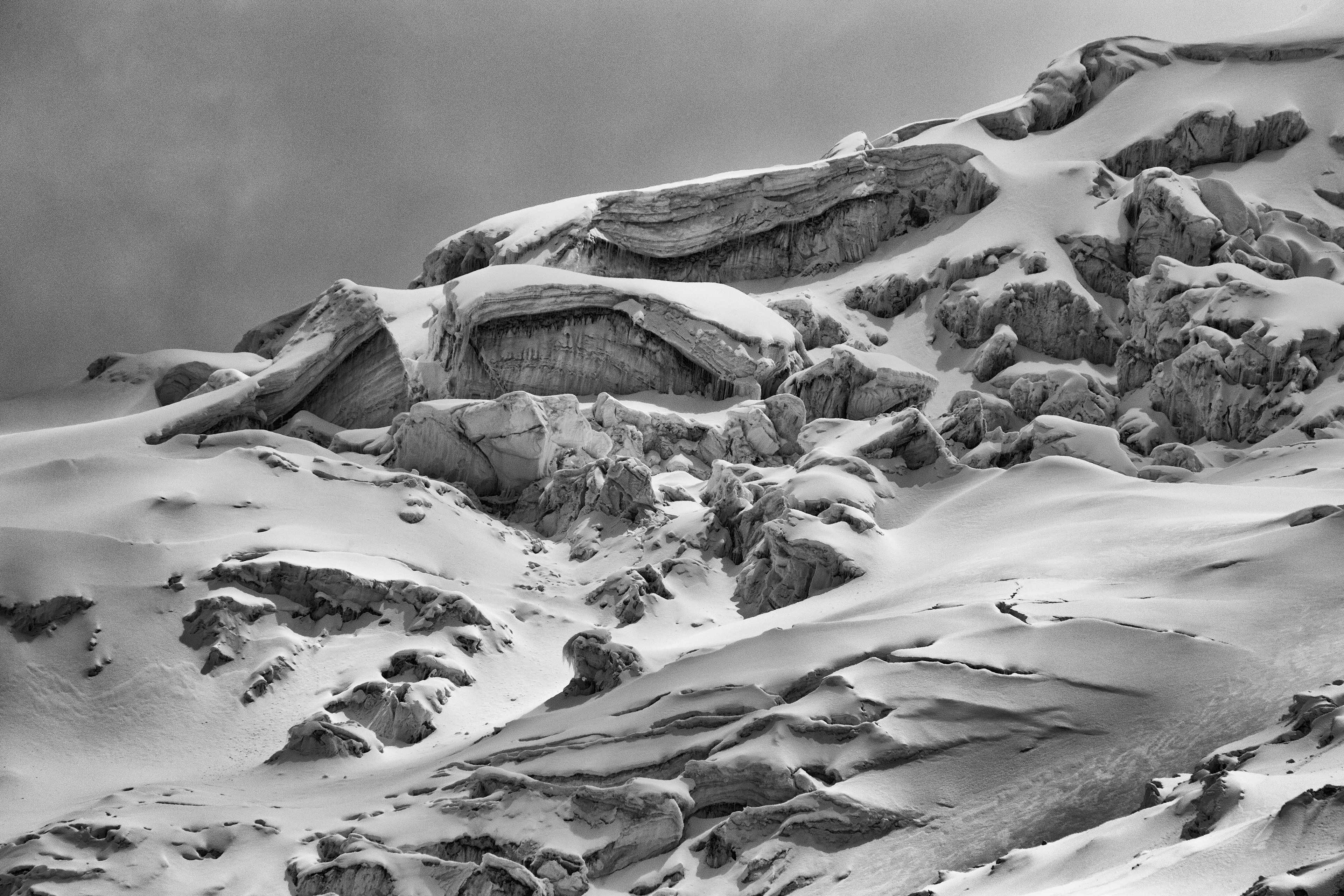
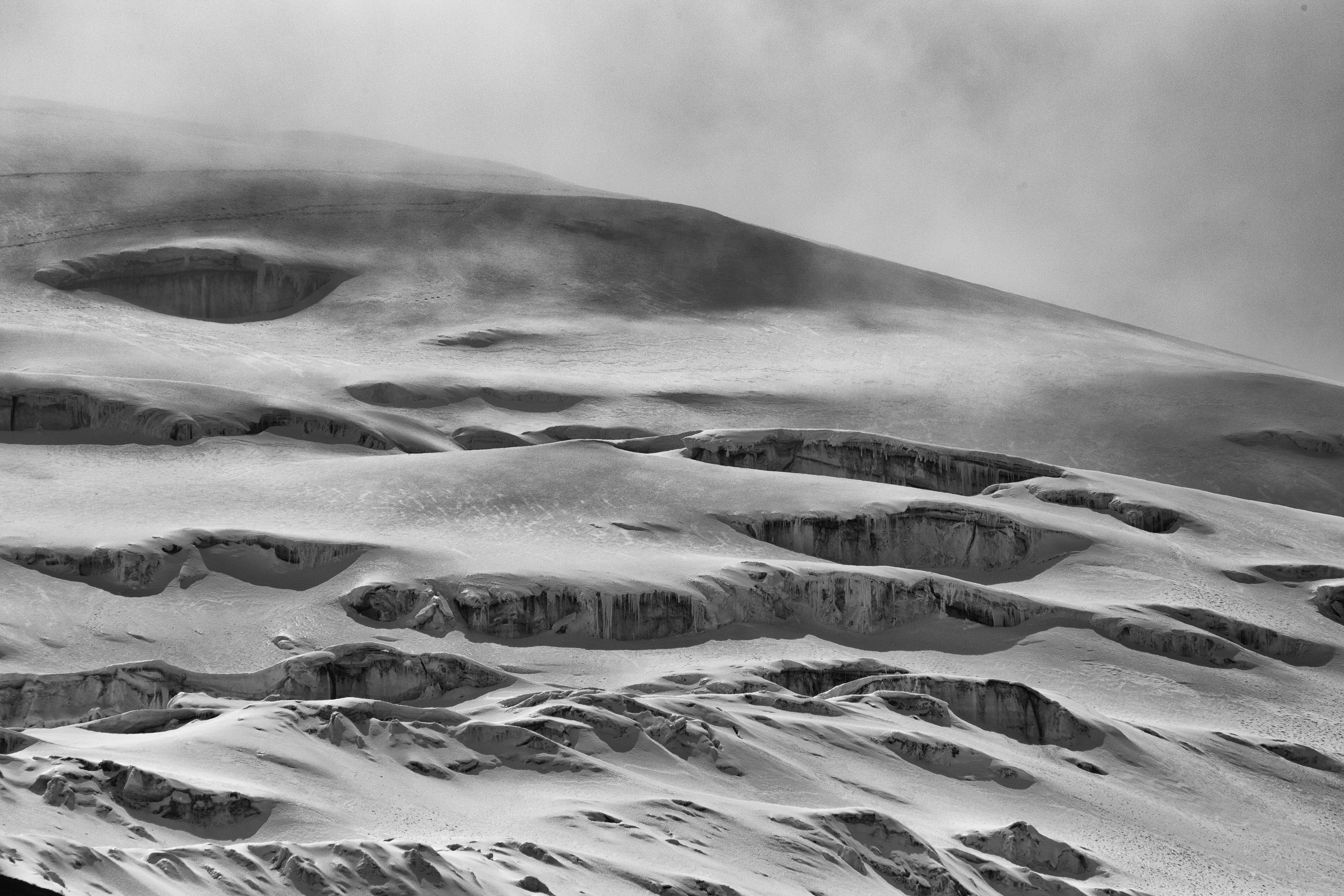
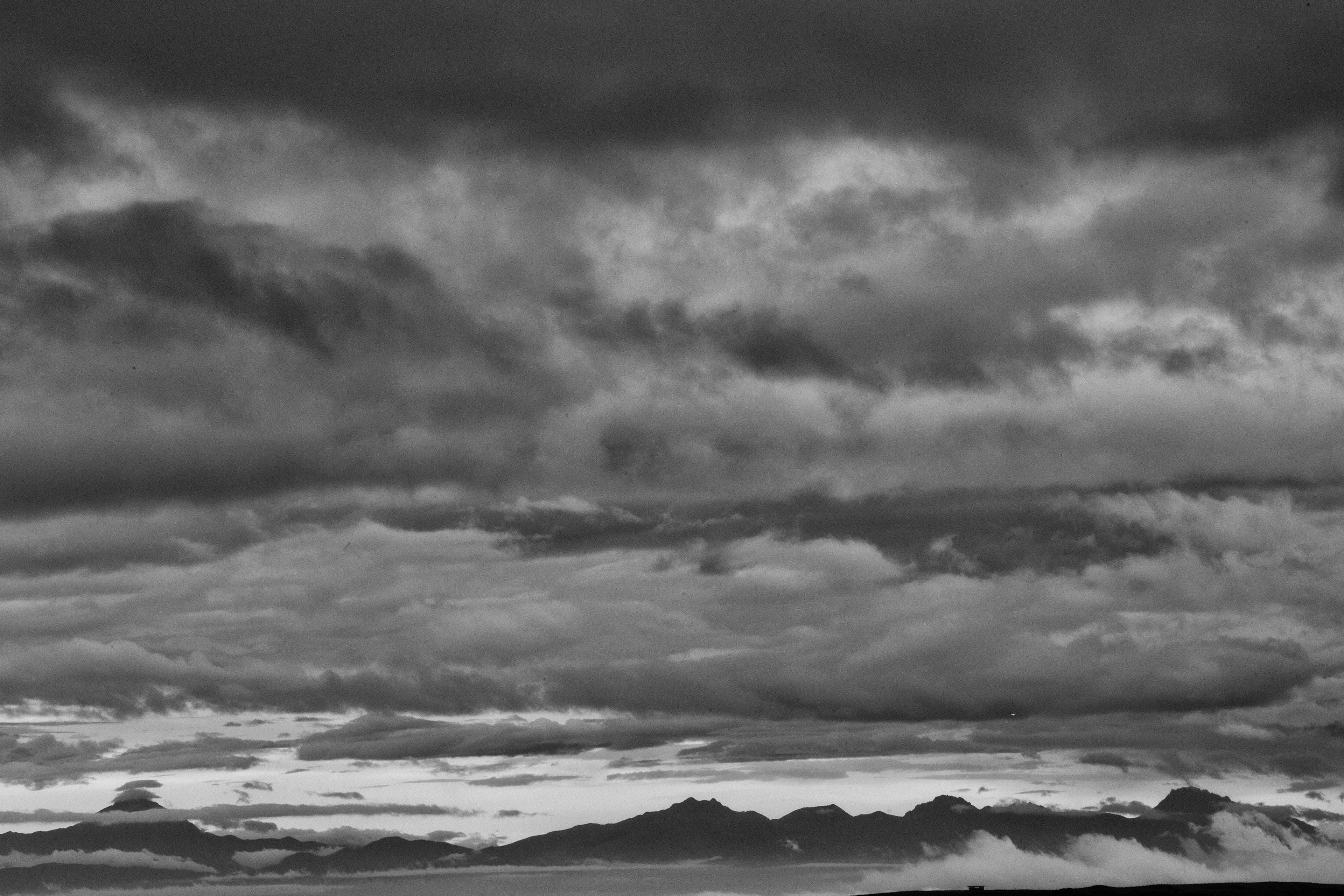
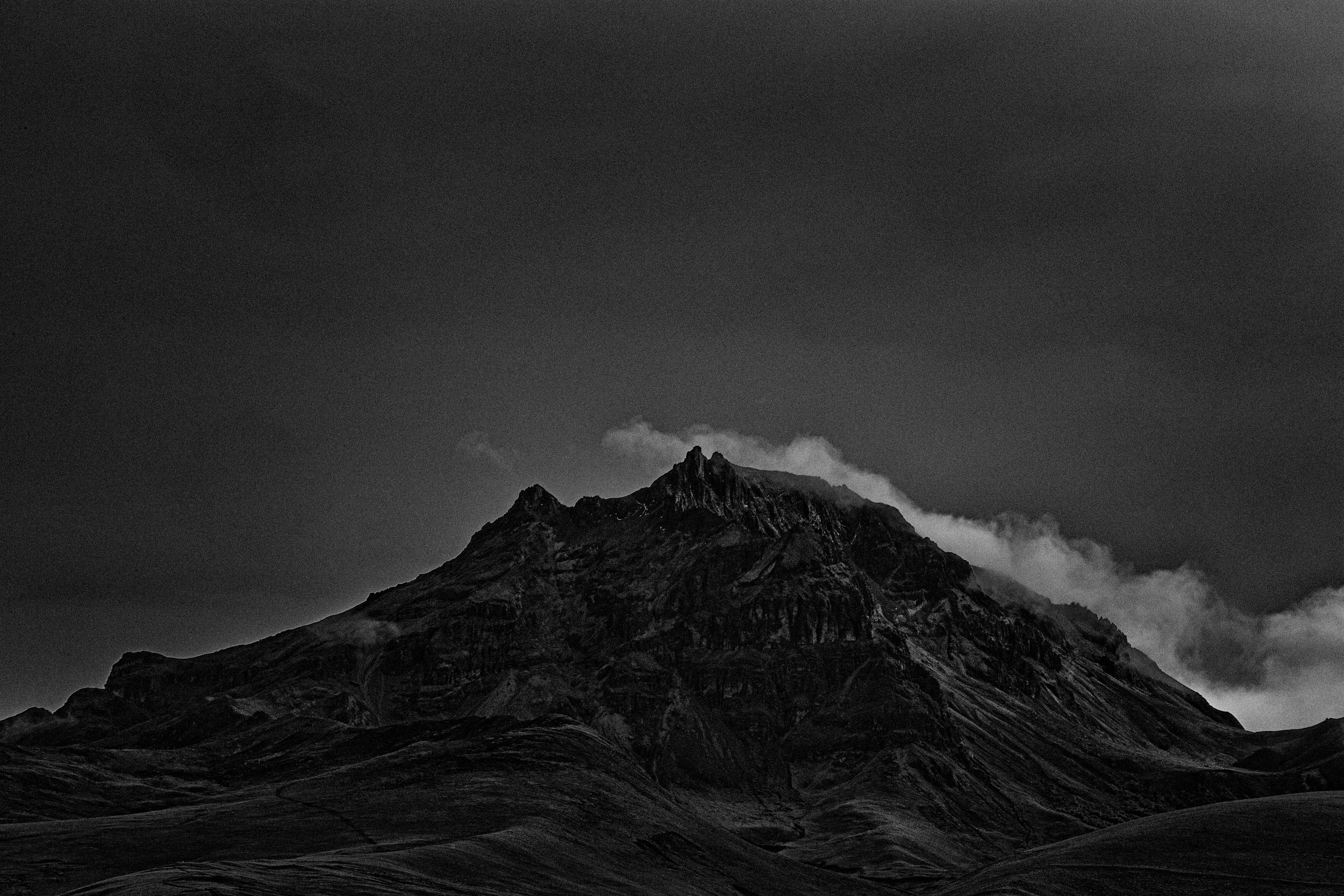
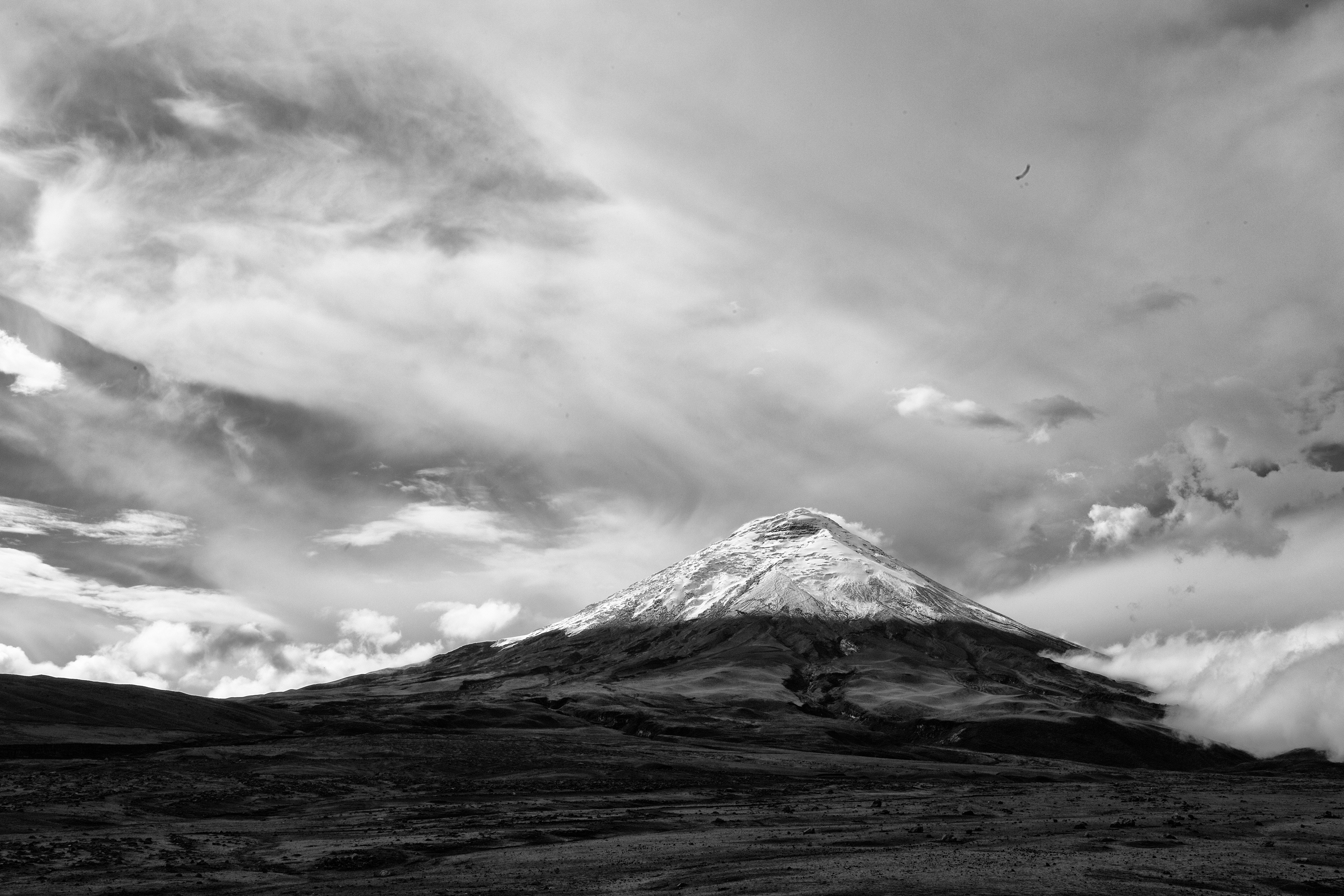
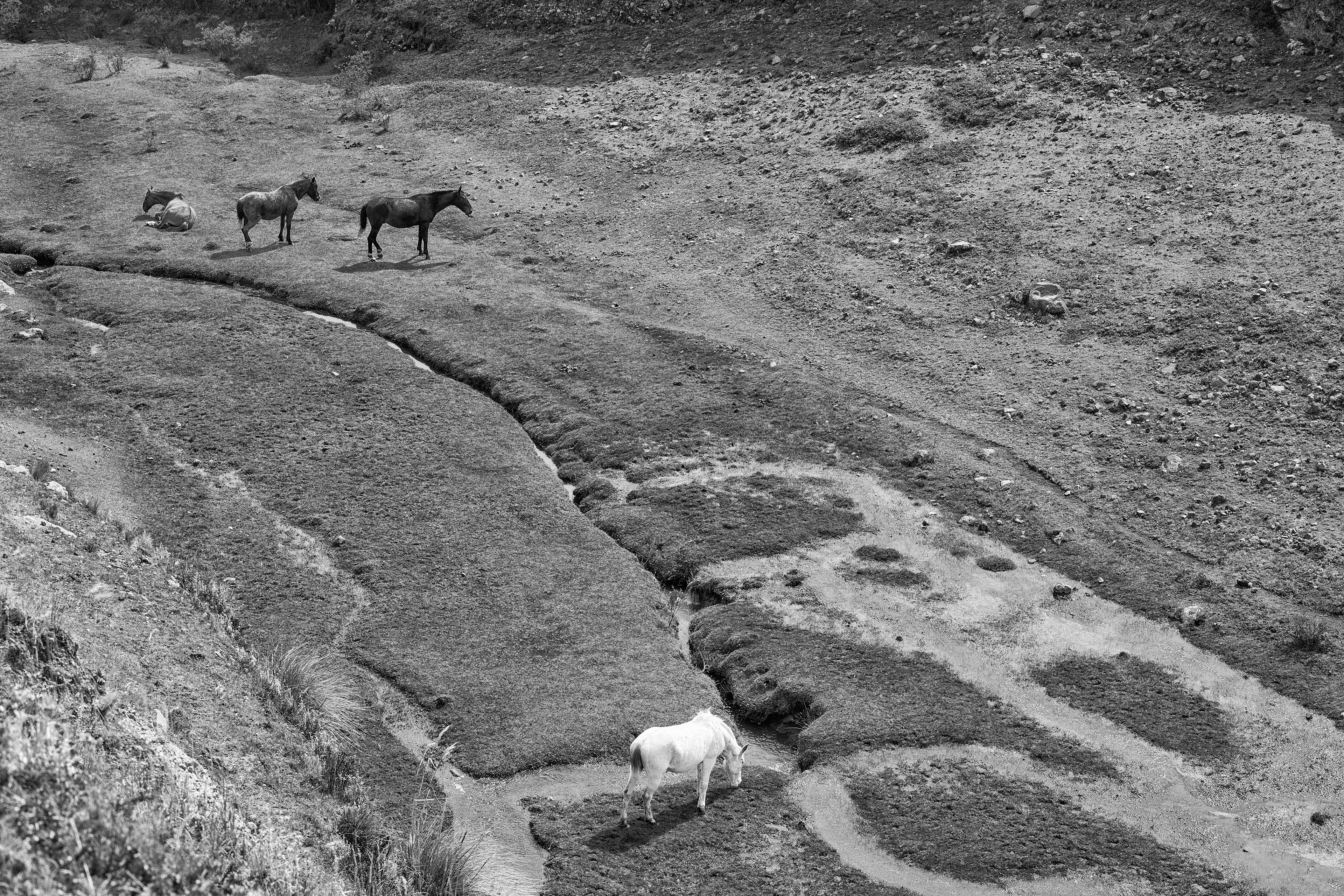
Vistas de la instalación en N24 Galería de Arte, 2020.