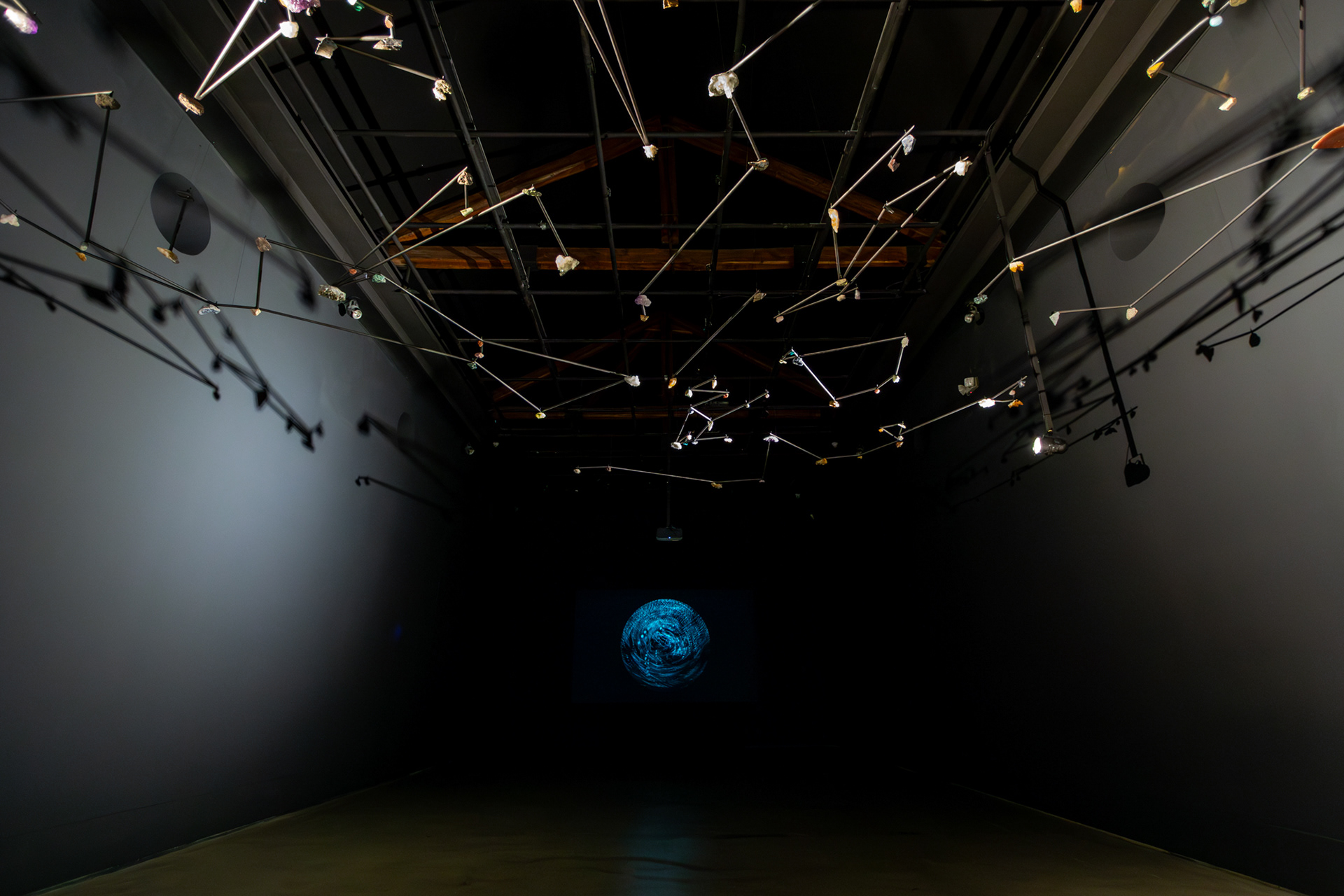
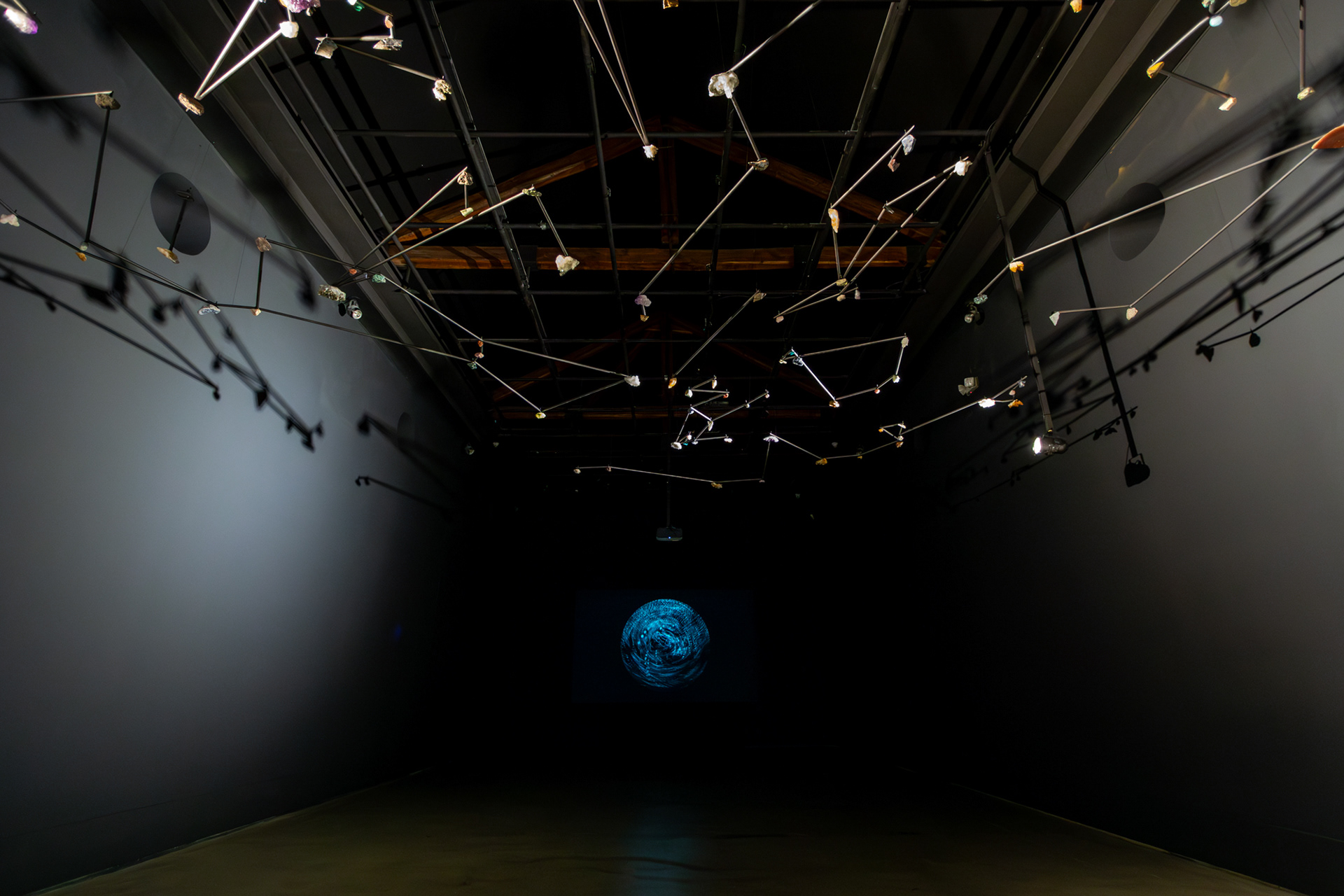
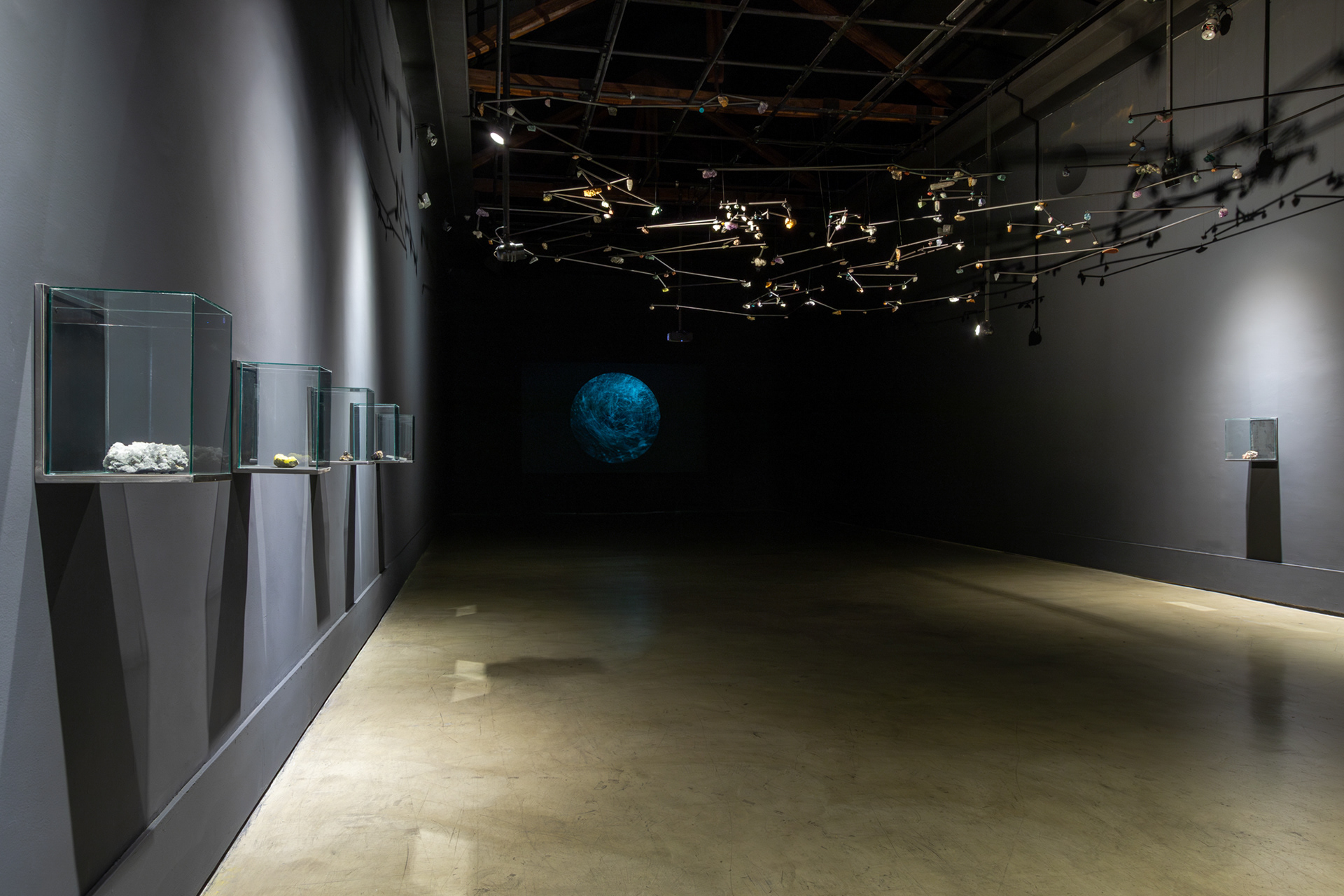
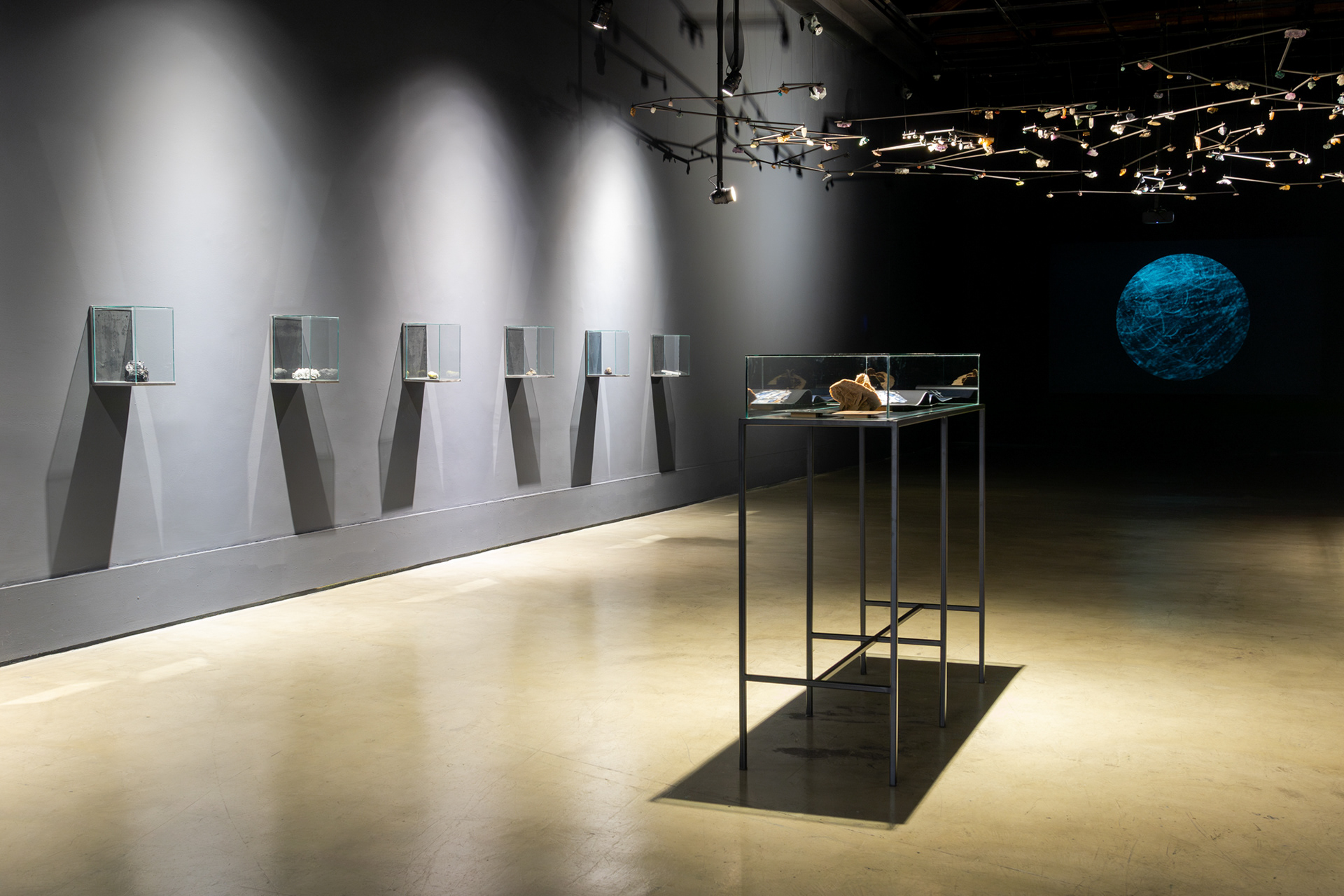
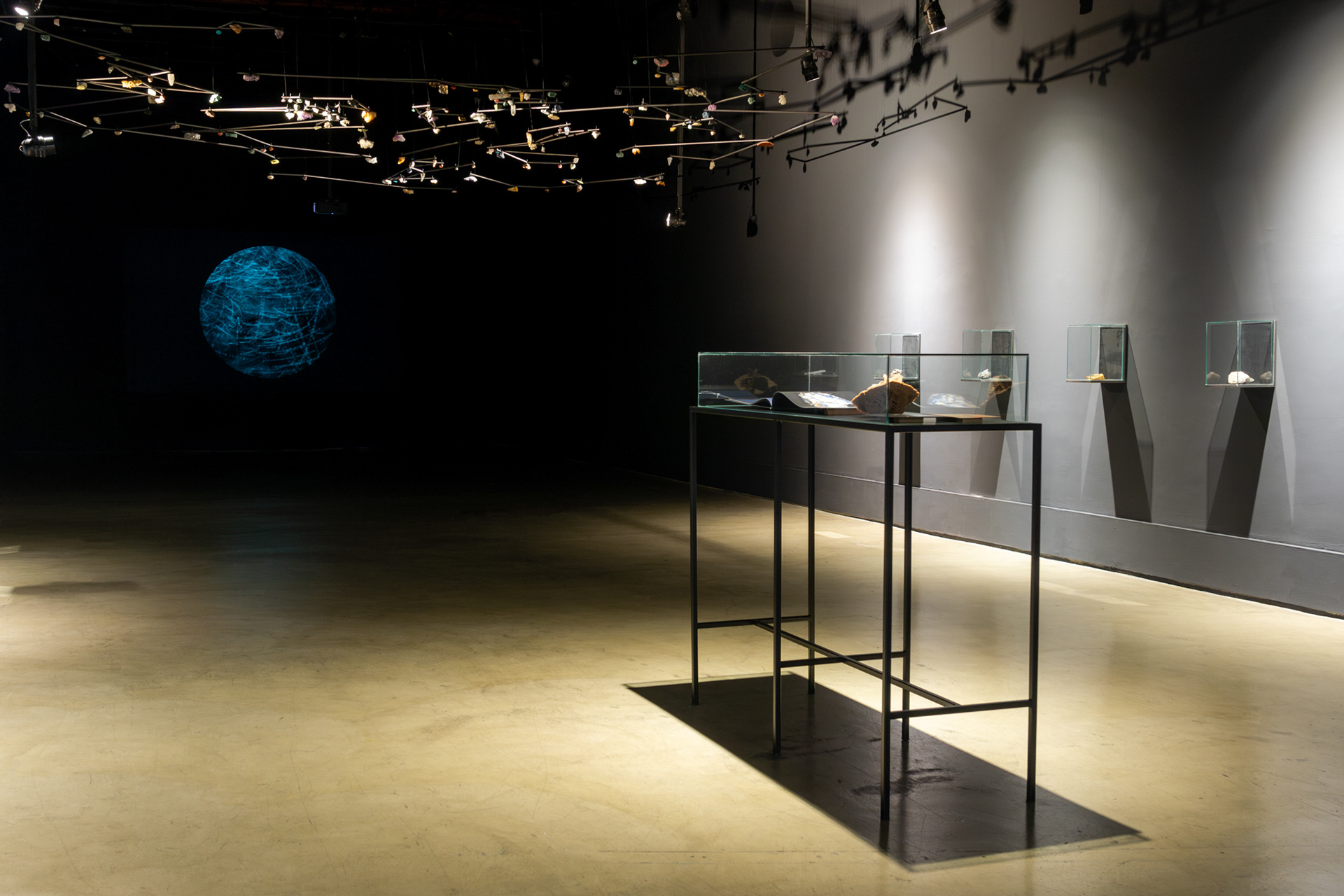
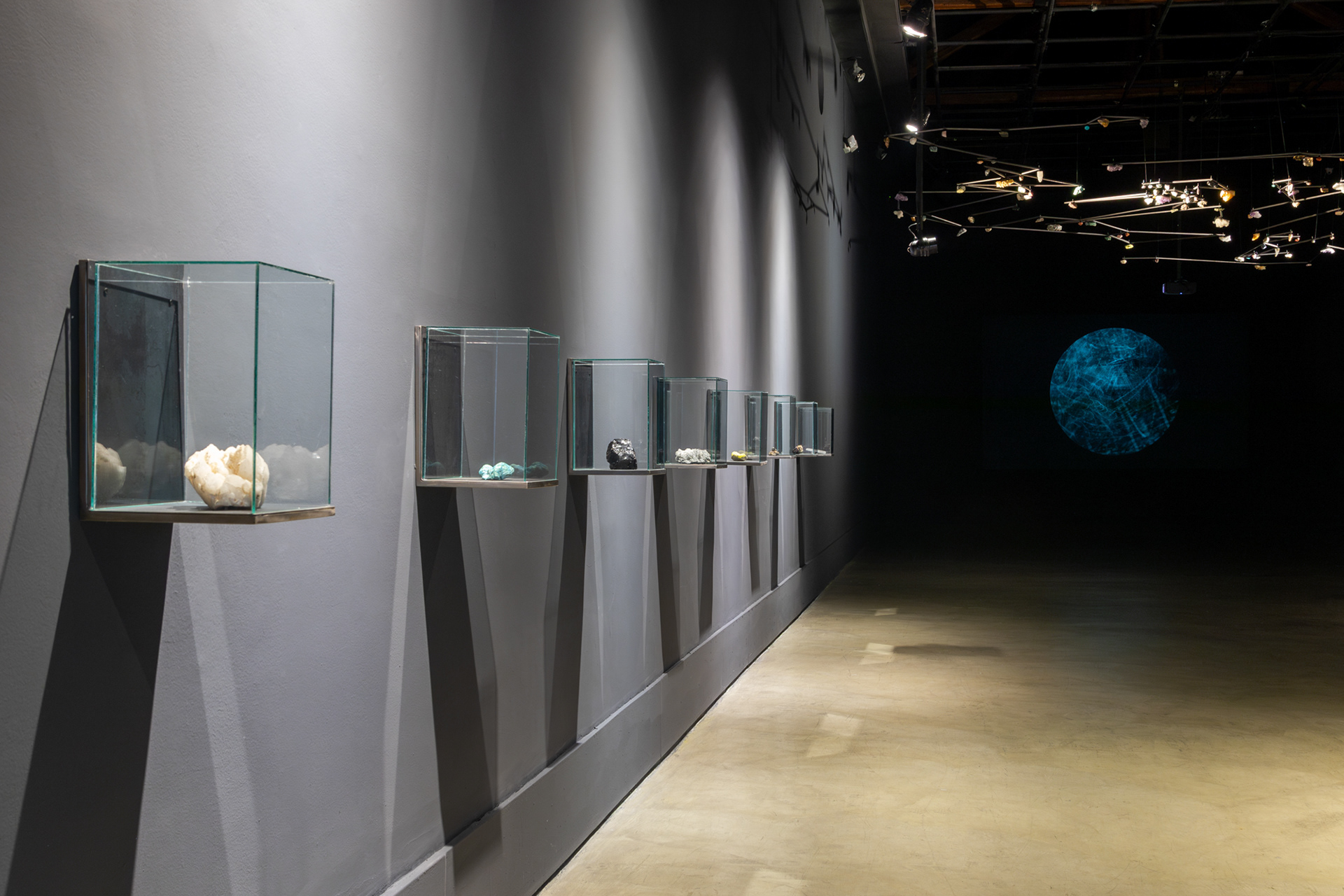
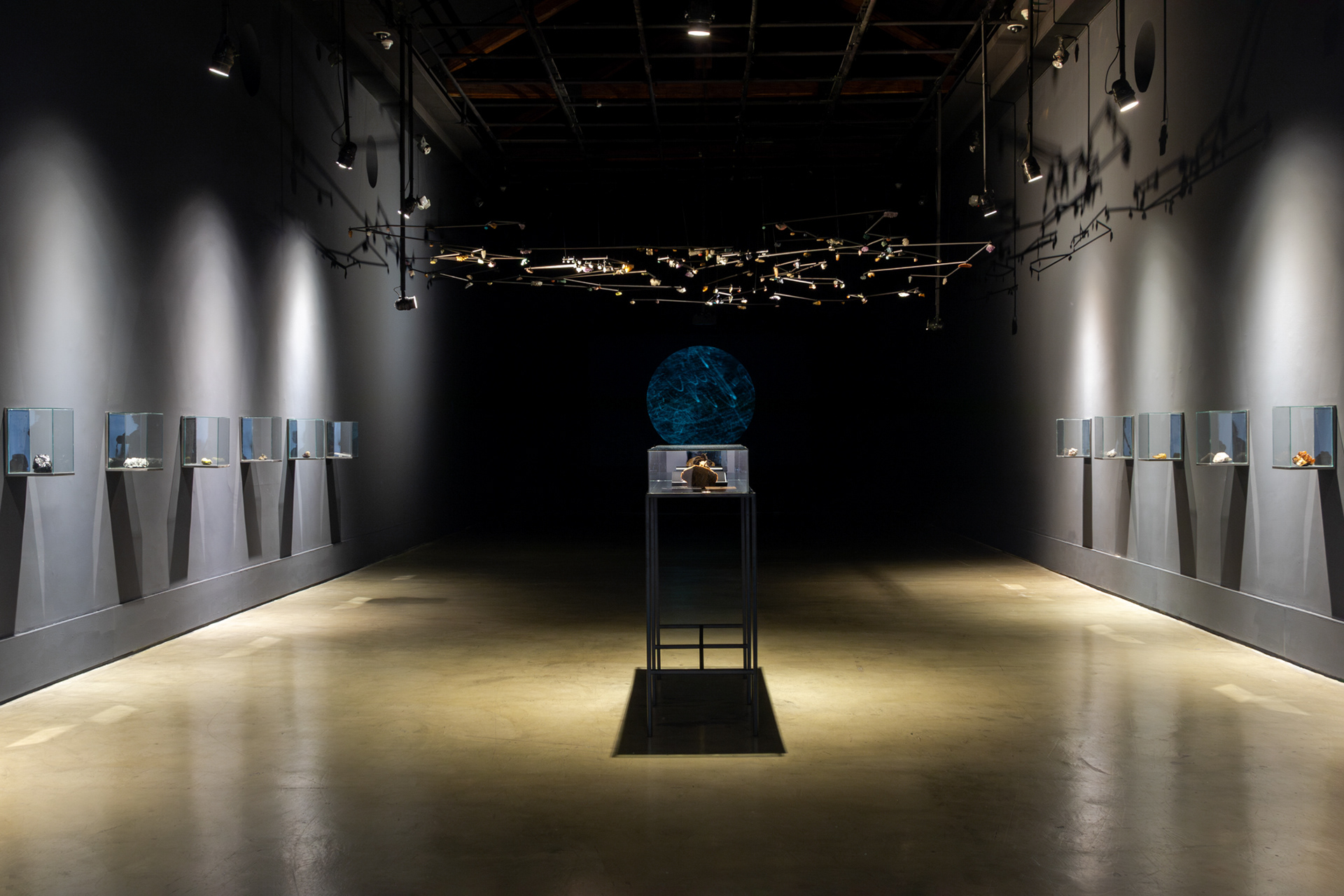
Vista de sala en el Centro de Arte Contemporáneo de Quito, 2025. Fotografía Alexander Alcocer.
Installation view at the Centro de Arte Contemporáneo de Quito, 2025. Photograph by Alexander Alcocer.
Al fin, perdidos.
La historia de la humanidad está marcada por una búsqueda constante de comprensión y exploración del cosmos. Desde tiempos inmemoriales, las estrellas han fascinado a la humanidad, sirviendo como guías en la navegación, inspirando mitos y leyendas, y desafiando nuestra concepción del universo. En 1632, Galileo Galilei puso en jaque la cosmología tradicional con la publicación de Diálogo sobre los dos sistemas principales del mundo, marcando un hito en la evolución del pensamiento sobre el cosmos y el tiempo.
Este evento no solo cuestionó las creencias arraigadas en torno al modelo geocéntrico, sino que también abrió las puertas a una nueva era de exploración científica y filosófica. Inspirada en la confrontación entre los modelos geocéntrico y heliocéntrico, esta propuesta artística surge como una reflexión sobre la evolución de la humanidad en su incesante búsqueda de sentido y conexión con el universo.
La obra plantea una proyección temporal audaz: trasladar las 15 constelaciones del ecuador celeste al año 101632, conmemorando el 100.000 aniversario de la publicación de Galileo. En este ejercicio de especulación, las constelaciones pierden sus formas familiares y, con ellas, los significados que la humanidad les ha atribuido a lo largo de la historia. Al transformarse radicalmente, nos enfrentamos a un cosmos liberado de sus antiguas narrativas, encontrándonos, al fin, perdidos. Desde esta perspectiva, la obra explora las múltiples facetas de la relación entre la humanidad y el firmamento: desde su uso en la navegación y la expansión territorial hasta su dimensión cultural y espiritual. Asimismo, aborda el papel de la astronomía como una ciencia en constante búsqueda de respuestas sobre el origen y la naturaleza del universo.
Más allá de la conceptualización de estas constelaciones proyectadas en el futuro, la instalación también se nutre de materiales ancestrales, como piedras y cristales naturales formados a lo largo de milenios. Estos elementos, testigos del pasado geológico de nuestro planeta, añaden profundidad y significado a la obra, estableciendo un vínculo entre arte, ciencia e historia terrestre. Finalmente, la instalación busca generar una experiencia inmersiva para los espectadores, invitándolos a reflexionar, a través de los sentidos, sobre el tiempo, el presente y el devenir. Con visitas guiadas y charlas complementarias, se busca enriquecer la comprensión del público sobre la interconexión entre la historia, el futuro y nuestra relación con el cosmos
Gonzalo Vargas M.
At Last, Lost.
Human history has been shaped by a constant drive to understand and explore the cosmos. Since time immemorial, the stars have fascinated us—guiding navigation, inspiring myths and legends, and challenging our sense of the universe. In 1632, Galileo Galilei disrupted traditional cosmology with the publication of Dialogue Concerning the Two Chief World Systems, marking a milestone in the evolution of how we think about the cosmos and time.
This event not only unsettled deeply rooted beliefs in the geocentric model, but also opened the door to a new era of scientific and philosophical exploration. Inspired by the confrontation between geocentric and heliocentric worldviews, this artistic proposal emerges as a reflection on humanity’s evolving search for meaning and connection with the universe.
The work proposes an audacious temporal projection: to relocate fifteen constellations of the celestial equator to the year 101,632, commemorating the 100,000th anniversary of Galileo’s publication. In this act of speculation, the constellations lose their familiar shapes and, with them, the meanings humanity has attributed to them throughout history. As they transform radically, we face a cosmos freed from its old narratives—finally, lost. From this perspective, the work explores multiple facets of the relationship between humanity and the firmament: from its role in navigation and territorial expansion to its cultural and spiritual dimensions. It also considers astronomy as a science in continual pursuit of answers about the origin and nature of the universe.
Beyond the conceptualization of these future-projected constellations, the installation is also nourished by ancestral materials such as stones and natural crystals formed over millennia. These elements—witnesses to Earth’s geological past—add depth and resonance to the work, forging a link between art, science, and terrestrial history. Ultimately, the installation seeks to create an immersive experience, inviting viewers to reflect—through the senses—on time, the present, and becoming. Guided tours and accompanying talks further expand the public’s understanding of the interconnections between history, the future, and our relationship with the cosmos.
Gonzalo Vargas M.
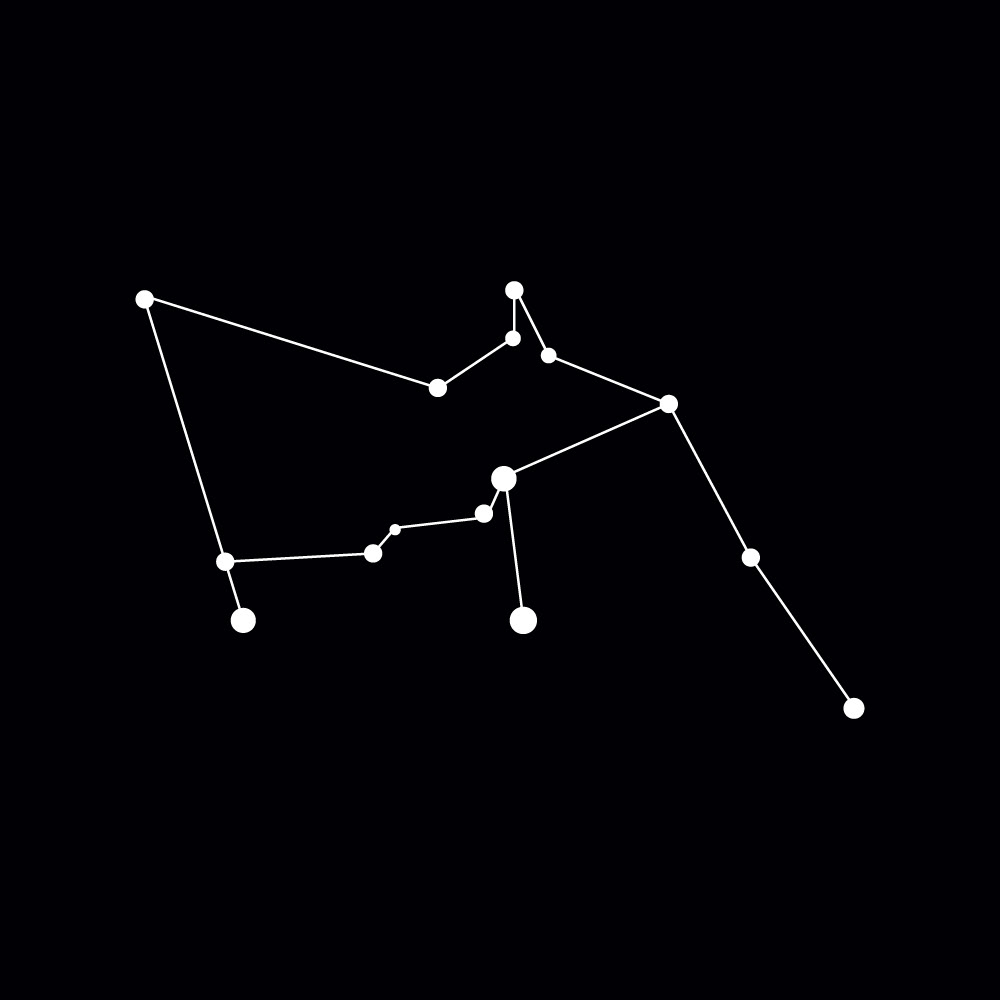
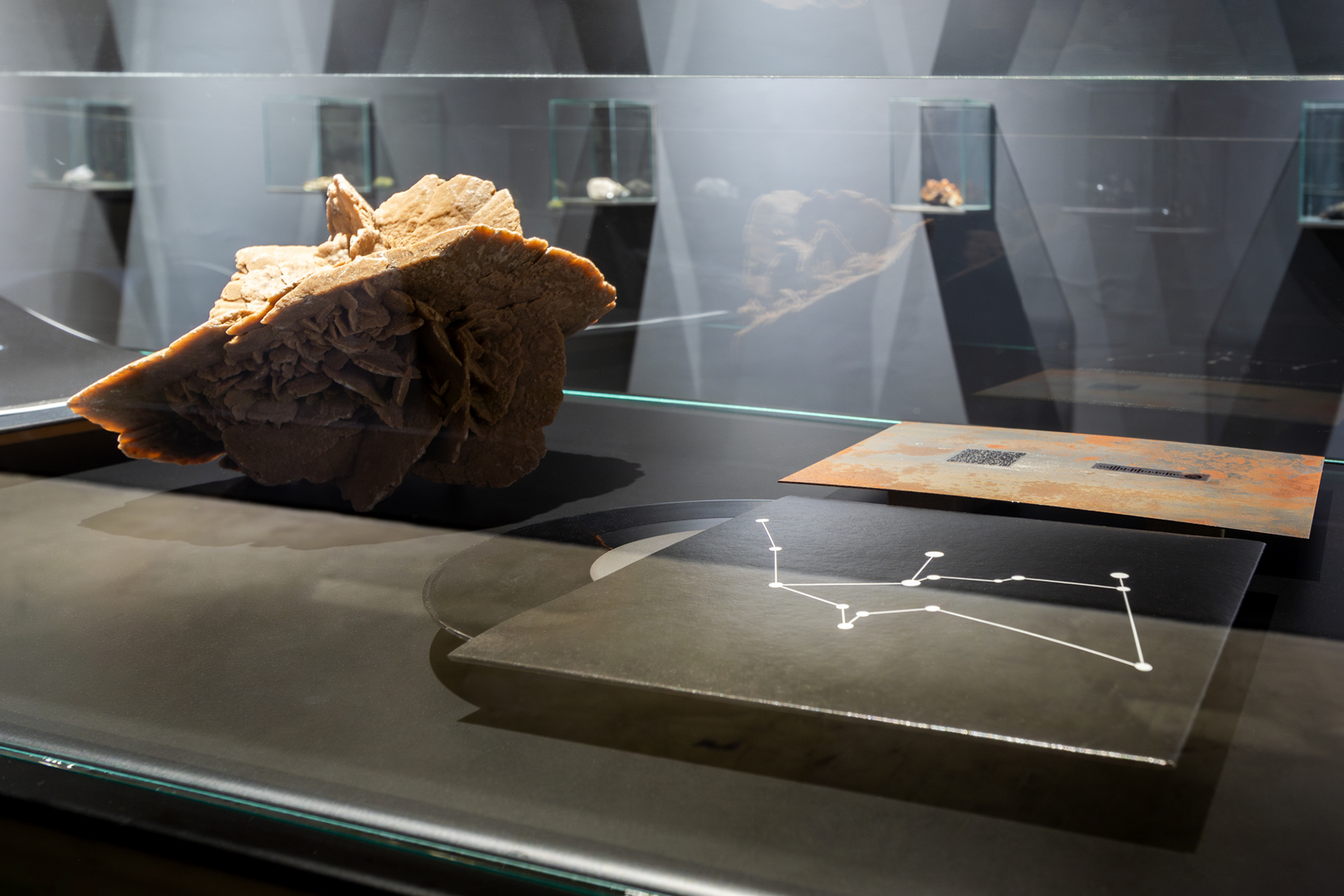
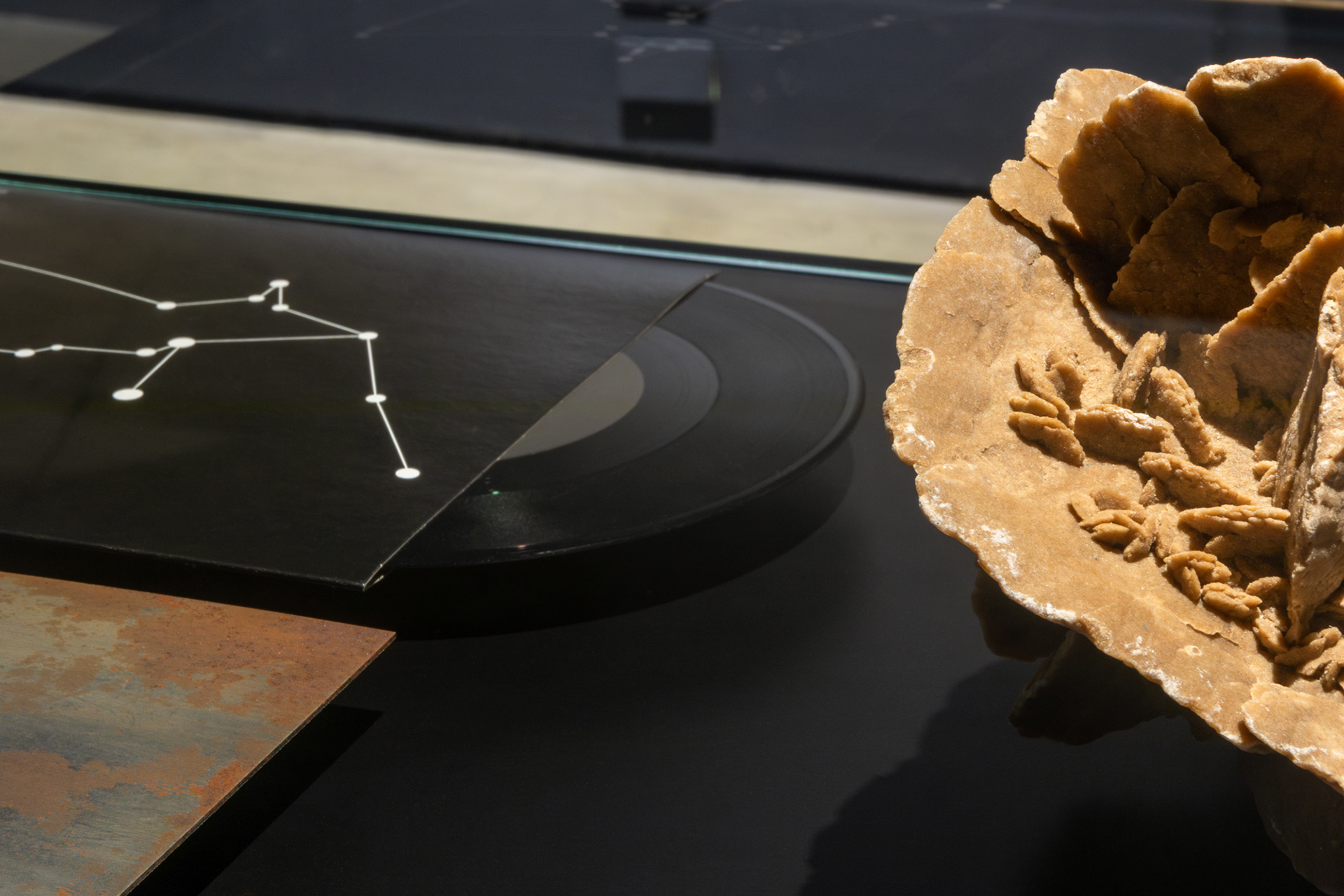
Portada del single, Al fin, perdidos.
Cover art for the single Al fin, perdidos.
Al fin, perdidos (estudio 03) Video animación Full HD generada en Processing. Monocanal. 5 min. Loop. Ed. 1/1. Sin sonido. 470 cm x 246 cm. 2024.
Al fin, perdidos (Study 03). Full HD animated video generated in Processing. Single-channel. 5 min. Loop. Ed. 1/1. Silent. 470 × 246 cm. 2024.
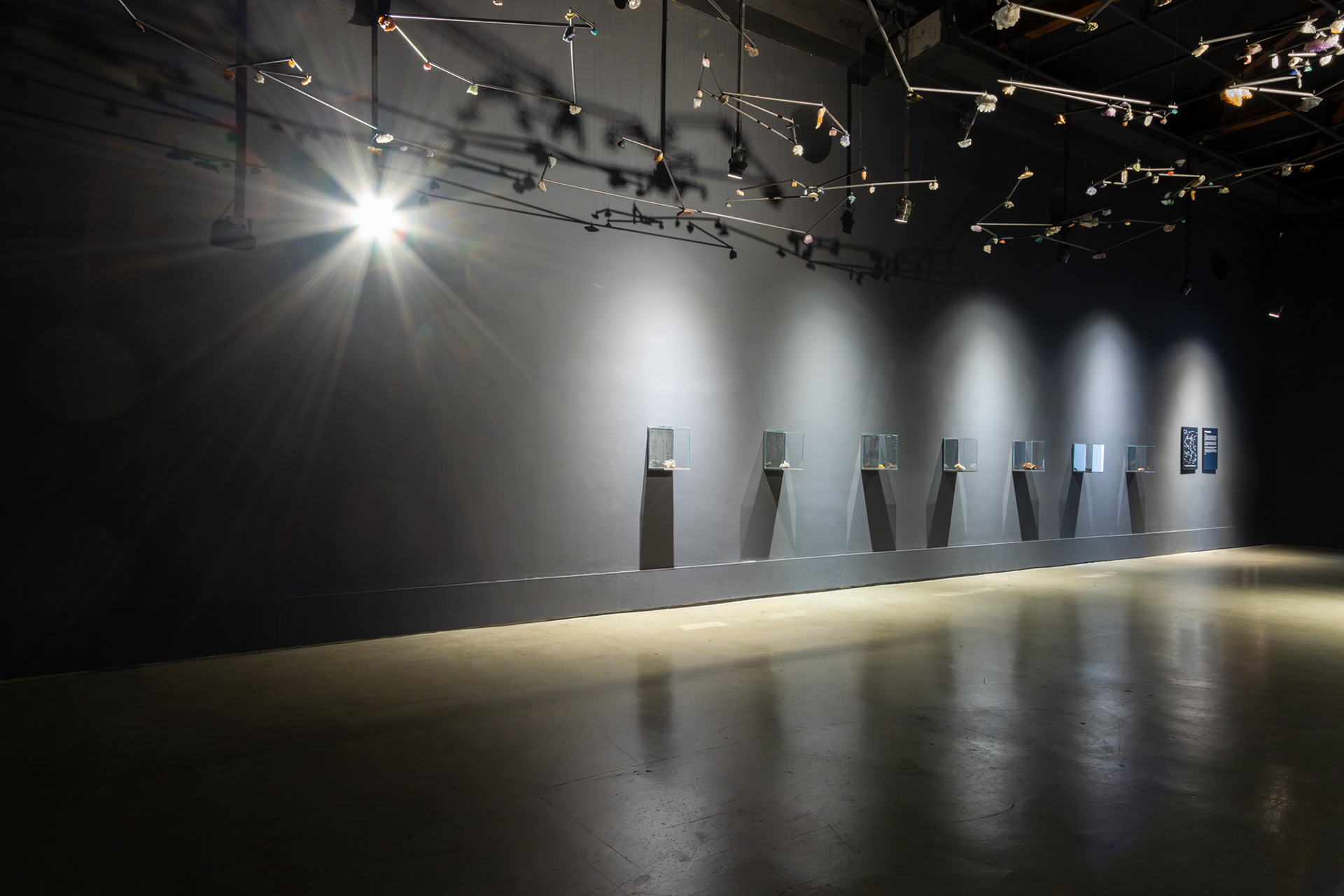
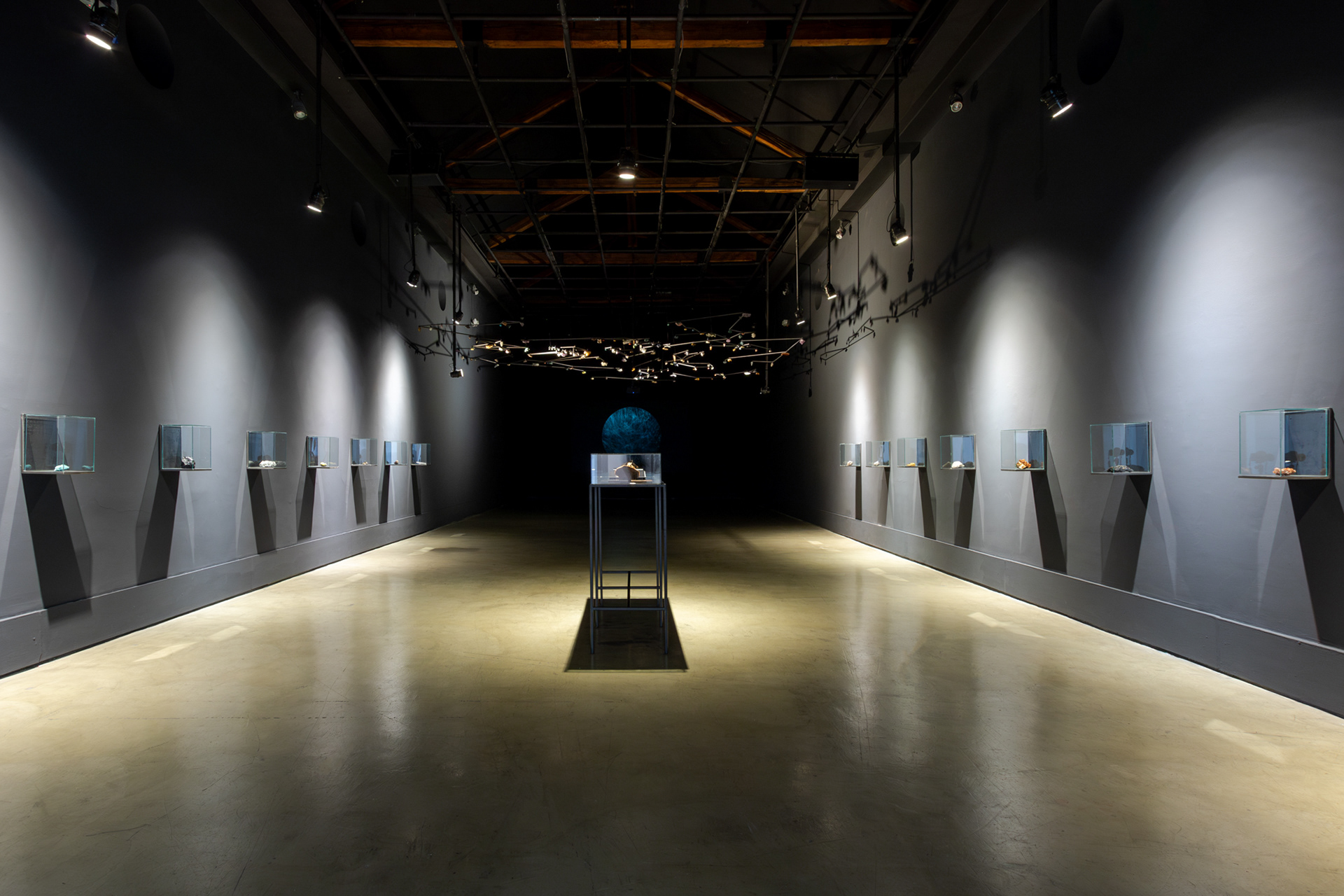
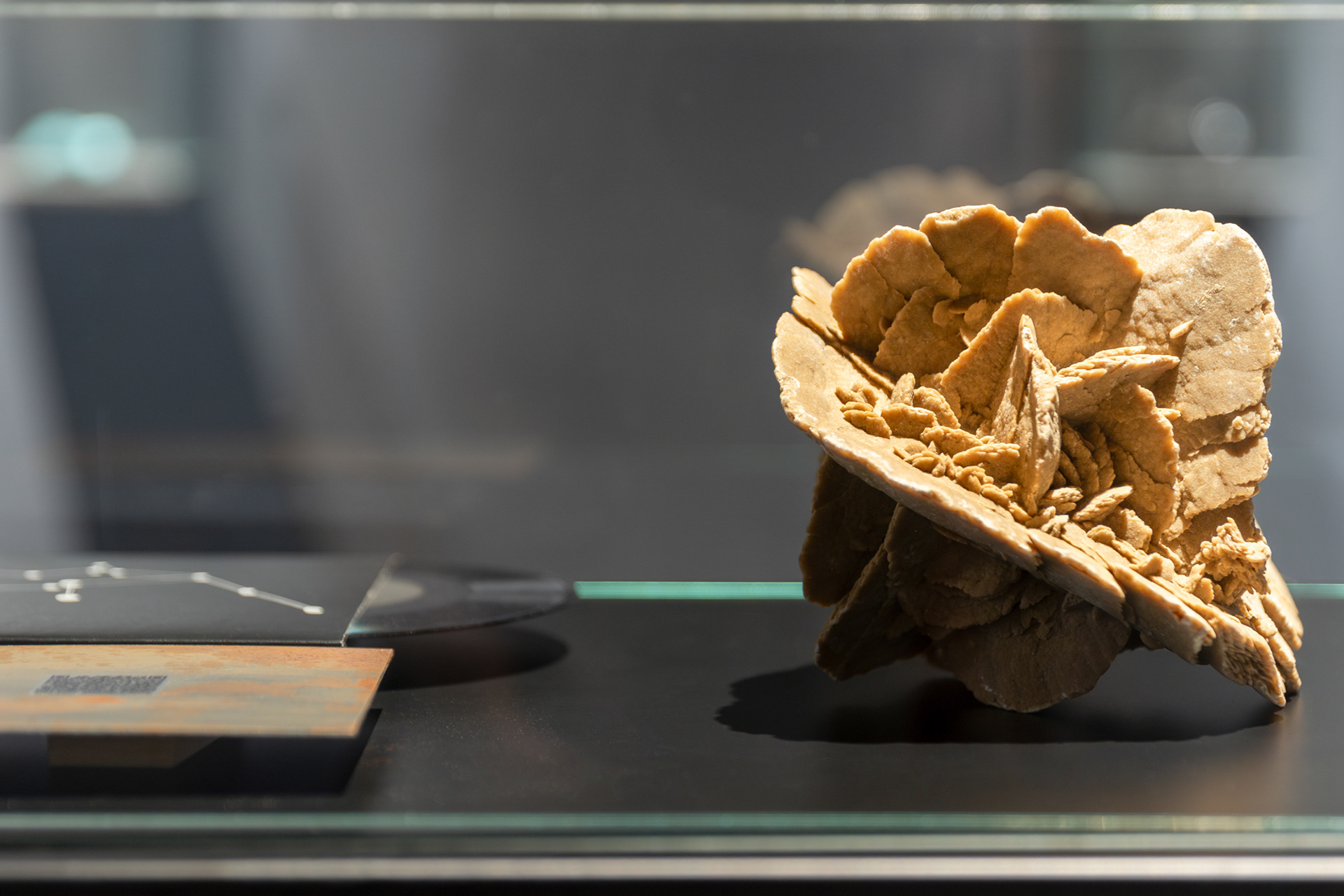
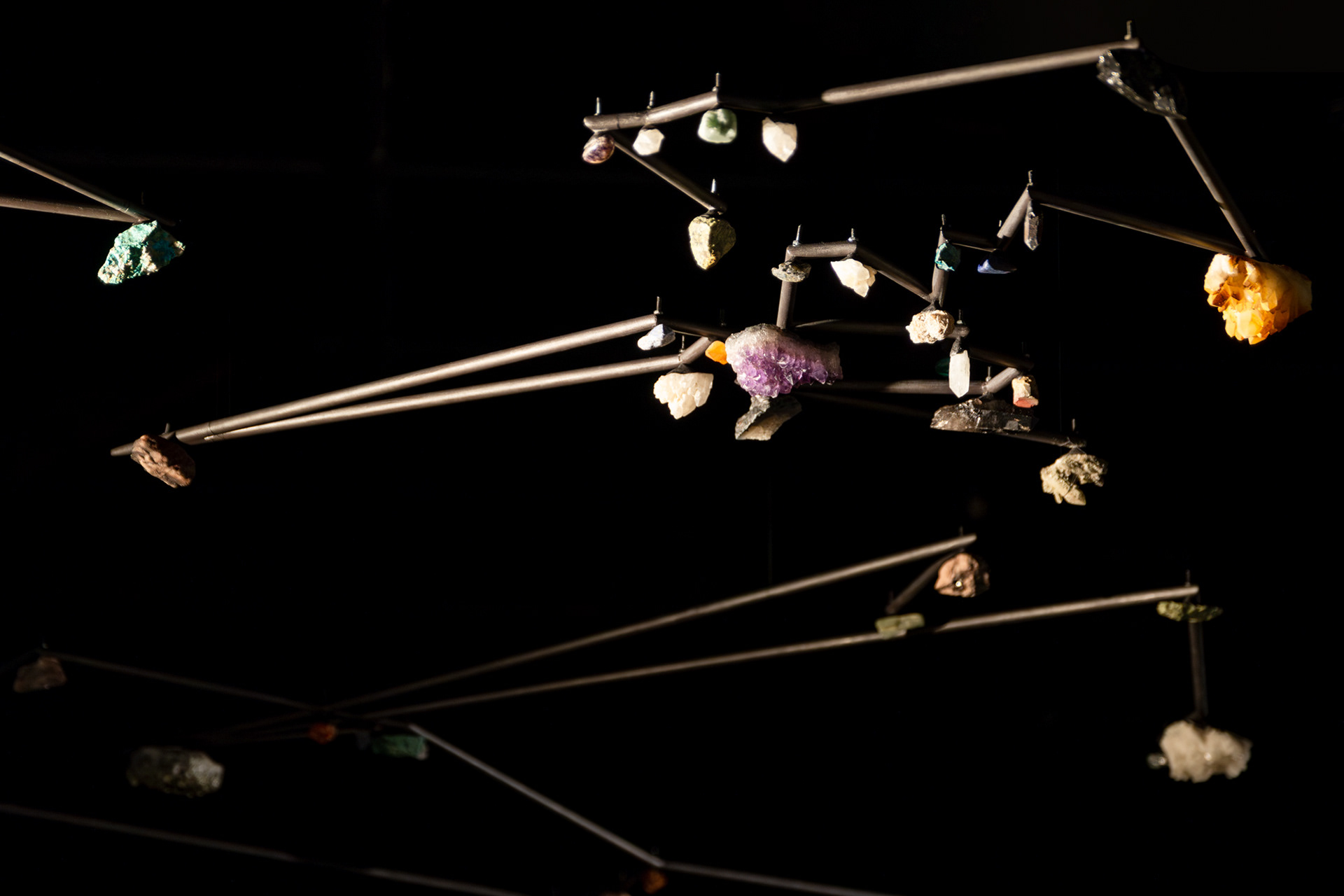
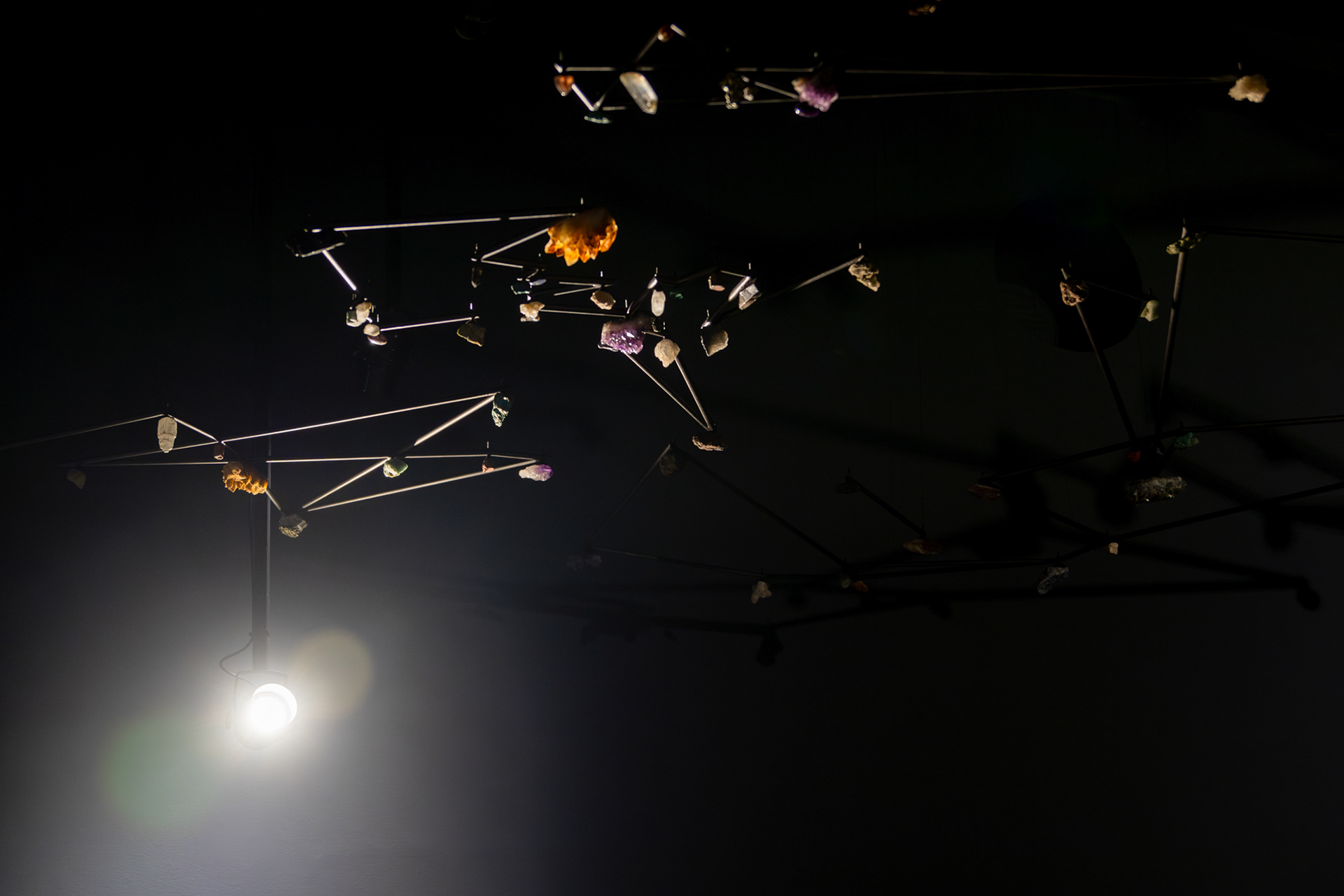
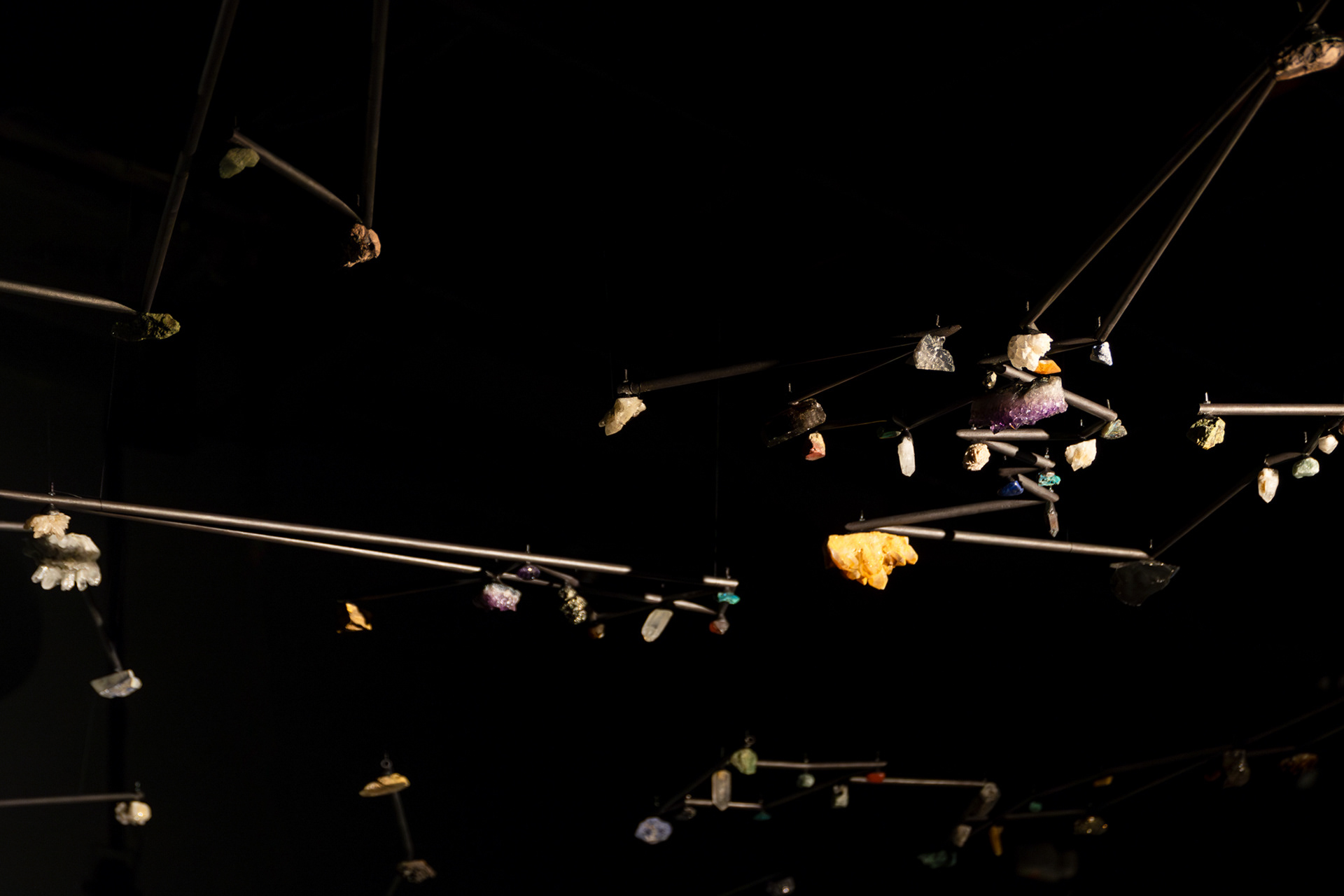
Fotografías de registro de sala en el Centro de Arte Contemporáneo de Quito. Fotos: Alexander Alcocer.
Installation documentation photographs at the Centro de Arte Contemporáneo de Quito. Photos: Alexander Alcocer.
Al fin, perdidos
“Mide lo que es medible y haz medible lo que no lo es.” Parafrasear a Galileo Galilei para definir la inmensidad astral de las constelaciones —su campo de investigación— es reconocer un legado que ha inspirado a innumerables creadores en el mundo. Su importancia no radica solo en el conocimiento que nos legó, sino en su lucha y en su deseo de proporcionarnos un sentido de orden en la esfera celeste, estructurada según su propia naturaleza. Como conocimiento científico, su aporte es imprescindible.
Traerlo al presente a través de la obra de Gonzalo Vargas es evocar la curiosidad y persistencia de un científico que anhelaba descubrir la verdad sobre el universo que habitaba. En esta misma dinámica, Vargas propone observar la esfera celeste con la misma intensidad con la que lo hizo el histórico astrónomo. Sin embargo, su giro poético y visual desplaza la latitud de la mirada y sitúa el Ecuador como línea de observación y enunciación dentro de una temporalidad distinta (cien mil años en el futuro).
El artista deconstruye lo conocido y lo conduce hacia una transfiguración en la que las estrellas se convierten en piedras y cristales, otorgando a estos objetos una nueva significación. La obra de Gonzalo Vargas es también una proyección de aquel que contempla el firmamento con la esperanza de encontrar en sus coordenadas un sistema matemático que dé sentido a nuestra pequeña existencia: un viaje a los perímetros más recónditos de nuestra humanidad.
Esta instalación, además de su estética corpórea, construida con el detalle preciosista de un relojero, pone en debate la vastedad intangible de lo astral. Nos conduce a navegar por su inmensidad, reconociéndonos profundamente solos y, al mismo tiempo, ampliamente iluminados por la presencia suprema del universo, donde el Big Bang ha lanzado su juego de dados y nosotros no somos más que partículas orbitando en la profundidad del infinito.
Katya Cazar Febrero, 2025.
At Last, Lost
“To measure what is measurable and make measurable what is not.” To paraphrase Galileo Galilei in order to define the astral immensity of the constellations—his field of inquiry—is to acknowledge a legacy that has inspired countless creators around the world. His importance lies not only in the knowledge he left us, but in his struggle and in his desire to provide a sense of order within the celestial sphere, structured according to its own nature. As scientific knowledge, his contribution is indispensable.
To bring him into the present through Gonzalo Vargas’s work is to evoke the curiosity and persistence of a scientist who longed to uncover the truth about the universe he inhabited. In the same spirit, Vargas proposes that we observe the celestial sphere with the same intensity as that historic astronomer. Yet his poetic and visual turn shifts the latitude of the gaze, placing Ecuador as a line of observation and enunciation within a different temporality—one hundred thousand years in the future.
The artist deconstructs the familiar and guides it toward a transfiguration in which stars become stones and crystals, granting these objects new meaning. Gonzalo Vargas’s work is also a projection of the one who contemplates the firmament in the hope of finding, in its coordinates, a mathematical system that might give sense to our small existence: a journey to the most remote perimeters of our humanity.
This installation, beyond its corporeal aesthetic—crafted with the meticulous, jewel-like precision of a watchmaker—sets into debate the intangible vastness of the astral. It leads us to navigate its immensity, recognizing ourselves as profoundly alone and, at the same time, brightly illuminated by the supreme presence of the universe, where the Big Bang has cast its dice and we are nothing more than particles orbiting in the depth of the infinite.
Katya Cazar, February 2025.
Al fin, perdidos es una de las obras ganadoras del Premio Mariano Aguilera, 2024 - 2025. Quito.
Créditos
Conceptualización y diseño museográfico: Gonzalo Vargas M.
Curaduría: Katya Cazar
Museografía: Fundación Museo de la Ciudad / Centro de Arte Contemporáneo
Asistentes de estudio: Anahí Minda, Francesca Fruci, Juan Ignacio Chicaiza
Grabación de audio: Gonzalo Vargas M. en Nube estudio
Diseño portada y contraportada álbum: Adrían Balseca / Gonzalo Vargas M.
Masterización: David Acosta en Sonoriilab
Fabricación estructuras y mobiliario: Ironworks Impresión: Imprenta Mariscal
Prensa vinilo: Precision Pressing
Al fin, perdidos is one of the award-winning works of the Premio Mariano Aguilera (2024–2025), Quito.
Credits
Concept and exhibition design: Gonzalo Vargas M.
Curatorship: Katya Cazar
Exhibition production: Fundación Museo de la Ciudad / Centro de Arte Contemporáneo
Studio assistants: Anahí Minda, Francesca Fruci, Juan Ignacio Chicaiza
Audio recording: Gonzalo Vargas M. at Nube Estudio
Album cover and back cover design: Adrián Balseca / Gonzalo Vargas M.
Mastering: David Acosta at Sonoriilab
Structures and furniture fabrication: Ironworks
Printing: Imprenta Mariscal
Vinyl pressing: Precision Pressing